Best Programming PC: What You Really Need to Code Efficiently
When you're learning to code or building real projects, your best programming PC, a computer optimized for writing, testing, and running code. Also known as a coding workstation, it’s not about the most expensive gear—it’s about what keeps you moving without slowing you down. A slow machine doesn’t just waste time; it kills momentum. You start typing a command, wait five seconds for it to respond, and lose focus. That’s why the right setup matters more than you think.
Most people think they need a gaming rig to code, but that’s not true. What you actually need is a machine that handles multiple apps at once—your code editor, terminal, browser with docs, and maybe a Docker container or local server. A modern processor, the brain of your computer that runs your code and tools with at least four cores, 8GB of RAM, memory that lets your computer juggle tasks without lagging, and an SSD, a fast storage drive that boots your system and loads files in seconds are the bare minimum. If you’re doing web development or learning Python, even a $500 laptop from the last three years will do fine. But if you’re running virtual machines, compiling large codebases, or working with AI tools, you’ll want 16GB RAM and a faster chip.
Don’t get fooled by brand names. A MacBook Air can be great for Python or JavaScript, but if you’re working with Linux-based tools or need specific drivers for hardware, Windows or Linux might be better. Some coders swear by Linux for its terminal power and lightweight nature. Others stick with macOS for its Unix foundation and smooth app ecosystem. Windows? It’s improved a lot—especially with WSL2, which lets you run Linux tools natively. The best programming PC is the one that fits your workflow, not the one with the fanciest logo.
You don’t need a high-end GPU unless you’re doing machine learning or 3D rendering. For most coding, the built-in graphics are enough. What you do need is a comfortable keyboard, a screen that doesn’t strain your eyes, and enough ports to plug in your mouse, external drive, or second monitor. A dual-screen setup isn’t luxury—it’s productivity. One screen for code, one for docs or testing. Simple.
And forget the hype. You don’t need a $3,000 laptop to land your first dev job. Many self-taught coders started on old machines, hand-me-downs, or even school computers. What matters isn’t the hardware—it’s what you do with it. The posts below show real stories from people who learned to code on modest setups, cracked jobs without fancy gear, and built tools that run on anything from a Raspberry Pi to a mid-range laptop. Whether you’re just starting out or upgrading your setup, you’ll find practical advice here—no fluff, no marketing, just what works.
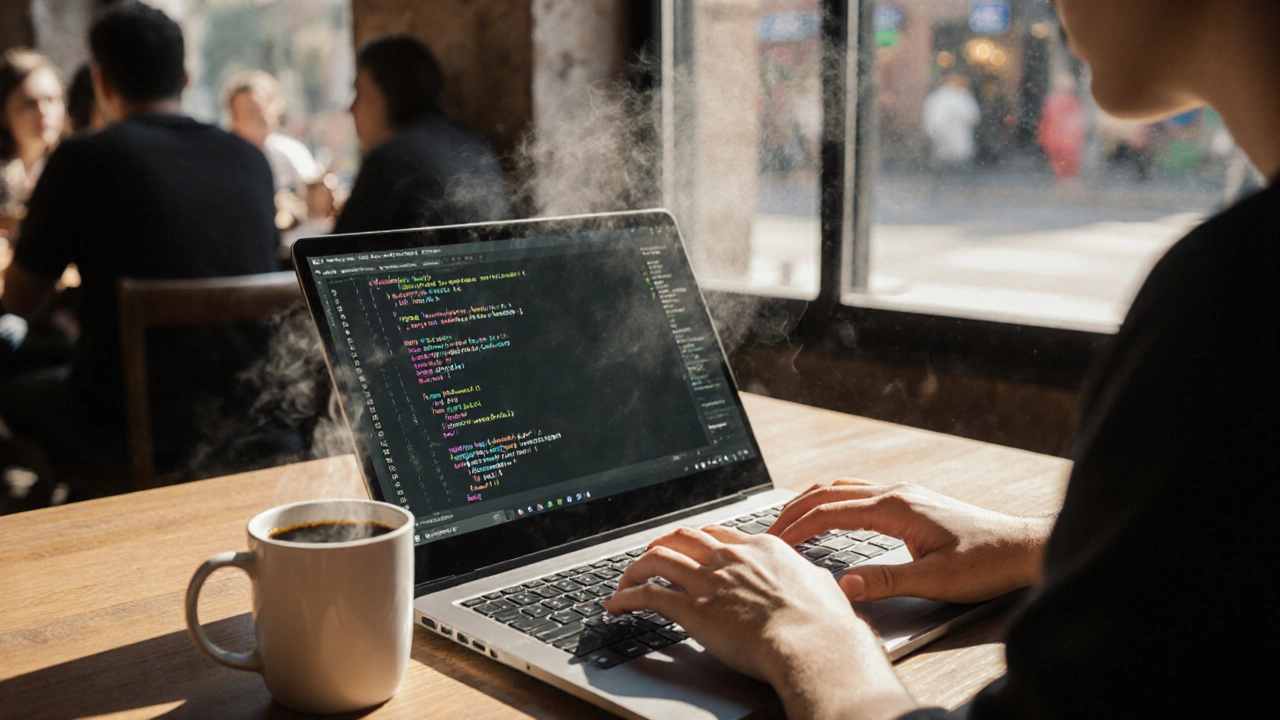
Best Computer for Coding: Laptop or Desktop Guide 2025
Learn the exact hardware specs you need for coding, compare laptops vs desktops, and get budget‑friendly recommendations for 2025.