CBSE Schools: What Makes Them the Top Choice for Indian Students
When it comes to school education in India, CBSE schools, a national-level board that standardizes curriculum across the country. Also known as the Central Board of Secondary Education, it’s the go-to system for families planning for competitive exams like JEE and NEET. Unlike state boards that vary by region, CBSE follows a uniform syllabus from Class 1 to Class 12, making it easier for students to move between cities without losing ground. It’s not just about consistency—it’s about alignment. CBSE schools are designed with the next step in mind: entrance exams that decide college admissions across India.
What sets CBSE apart isn’t just the syllabus—it’s how it connects to real-world outcomes. CBSE vs ICSE, a more literature-heavy, exam-focused board. Also known as Indian Certificate of Secondary Education, it’s popular in private schools but doesn’t match CBSE’s direct link to national competitive exams. CBSE’s focus on NCERT textbooks, practical applications, and objective-style questions mirrors the format of JEE, NEET, and even UPSC prelims. Students in CBSE schools aren’t just learning—they’re training for high-stakes tests from day one. And it works: over 80% of JEE and NEET toppers come from CBSE-affiliated schools, according to official data from exam authorities.
Compare that to CBSE vs state boards, regional systems that prioritize local languages and syllabi. Also known as state education boards, they offer strong foundational learning but often lack the nationwide recognition needed for top-tier colleges. If your child plans to study engineering, medicine, or even pursue government jobs later, CBSE gives them a clear advantage. It’s not about being "better" in every way—it’s about being better prepared for the exams that actually matter.
CBSE schools also lead in digital readiness. With AI-based learning modules, updated science labs, and digital assessment tools rolled out across affiliated institutions, they’re not stuck in the past. Even rural CBSE schools now get access to standardized digital content through government partnerships. That’s why parents in villages and cities alike are choosing CBSE—not because it’s trendy, but because it delivers results.
Below, you’ll find real stories, comparisons, and data-backed insights on how CBSE schools shape student futures. From the top scorers who mastered NCERT to the families who switched from state boards and saw their child’s rank jump—this collection cuts through the noise. You’ll see what actually works, what doesn’t, and why CBSE remains the most strategic choice for Indian students aiming high.
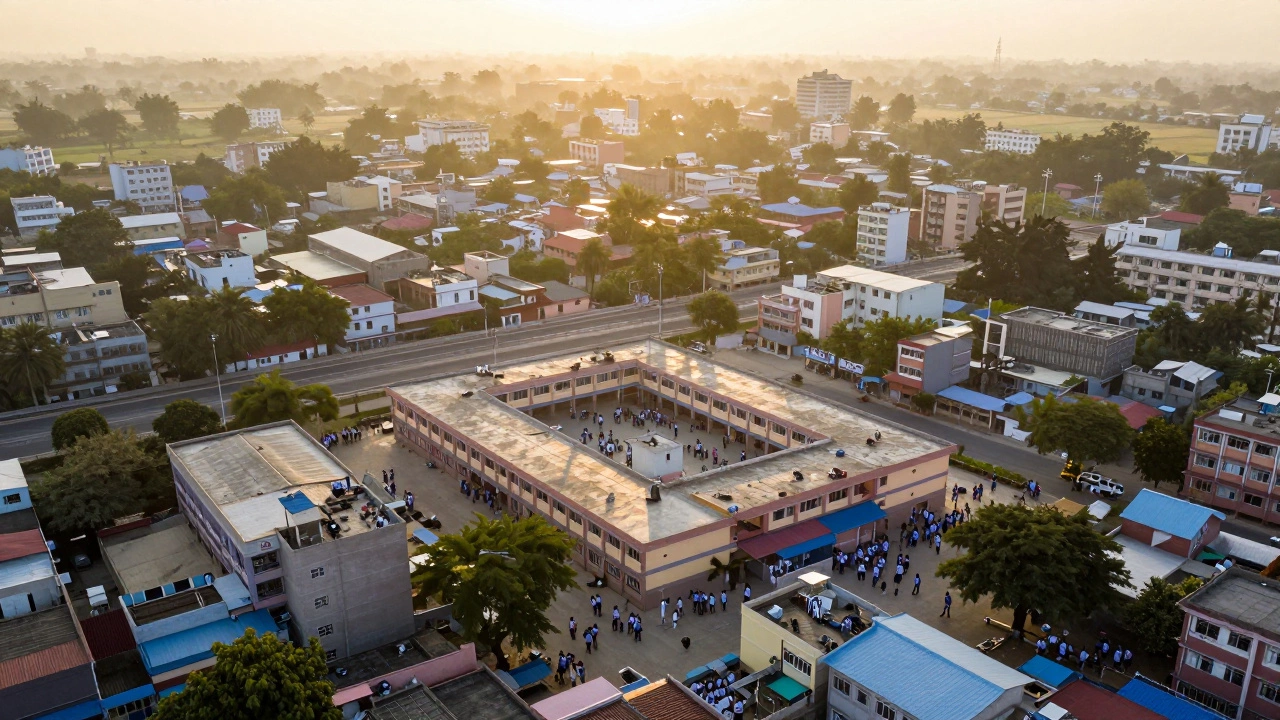
Which State Has the Highest Number of CBSE Schools?
Uttar Pradesh has the highest number of CBSE schools in India, with over 4,500 affiliated institutions. Discover why it leads the country and how other states compare in terms of school count and education quality.
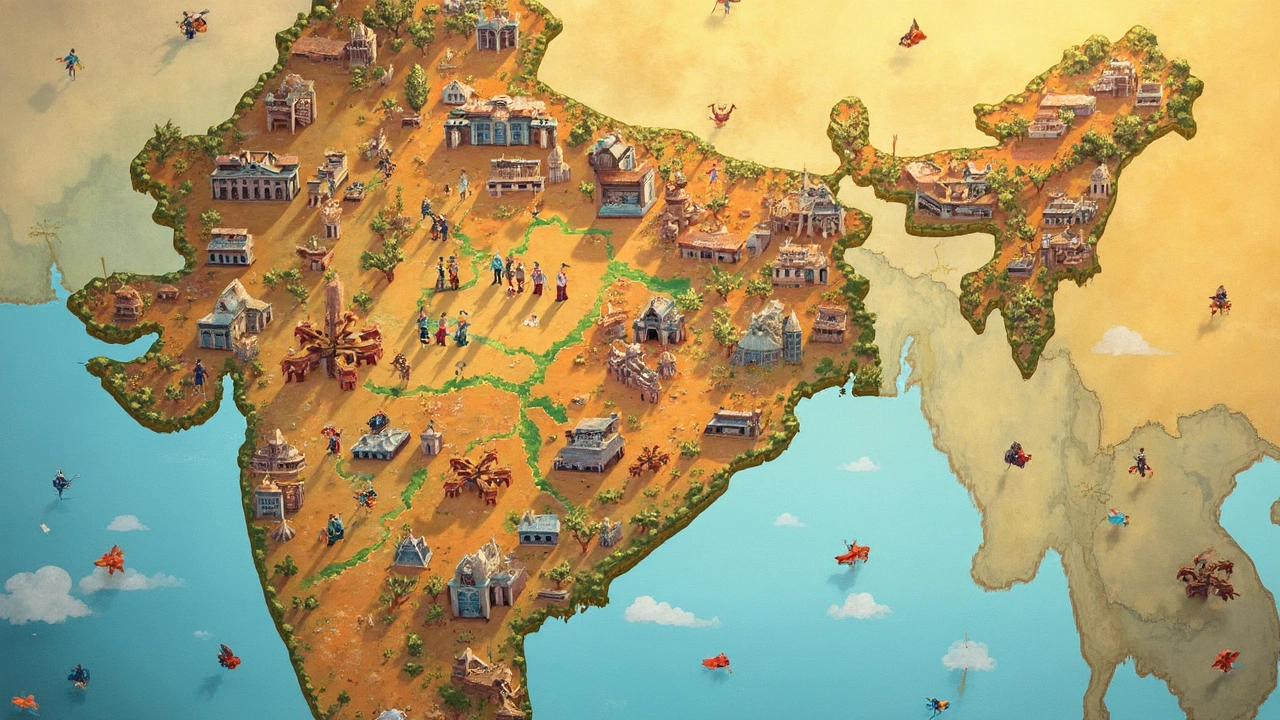
Which State Tops the List for CBSE Schools in India?
Ever wondered which state in India boasts the highest number of CBSE schools? If you're a parent considering educational options or just curious about the educational landscape, this is essential reading. We explore the state leading in CBSE school numbers, why this is the case, and what it means for students and parents alike. Whether you're seeking quality education for kids or examining educational trends across India, this information sheds light on the situation.