CBSE vs American School: Key Differences That Matter for Students and Parents
When it comes to choosing a school system for your child, CBSE, the Central Board of Secondary Education in India, is the most common choice for families aiming for competitive exams like JEE and NEET. It's also known as the Indian national curriculum, and it’s structured around standardized testing, NCERT textbooks, and a rigid syllabus that builds depth in math and science. On the other side, the American school system, a flexible, project-based approach used in private and international schools across India and abroad, focuses on critical thinking, creativity, and continuous assessment rather than one-time board exams. These aren’t just two ways to teach—they’re two different paths to the future.
Here’s the real difference: CBSE prepares students to win high-stakes exams, while the American system prepares them to solve real problems. In CBSE, a student’s future often hinges on one exam score at the end of Class 12. In an American school, grades come from class participation, group projects, presentations, homework, and quizzes spread over months. That means a kid who freezes under pressure in CBSE might thrive in an American classroom where they’re judged on effort and growth, not just a single test. But here’s the catch—if your child wants to get into an IIT or AIIMS, CBSE gives them a direct route. American schools don’t teach the JEE syllabus in depth, and most Indian engineering colleges still prioritize CBSE/ICSE scores.
Teachers in CBSE schools follow a strict syllabus with little room for deviation. In American schools, teachers often design their own lessons, use real-world examples, and encourage students to question everything. That’s why you’ll see American school kids debating climate change in class or building apps for local communities. CBSE students? They’re memorizing the steps to balance a chemical equation. Neither is better—it’s about what you’re preparing for. If your goal is a top Indian university, CBSE is the proven track. If you want your child to think independently, adapt to global environments, or plan to study abroad later, the American system builds those skills from day one.
Cost matters too. Most American-curriculum schools in India are private and expensive, with fees that can hit ₹5–10 lakhs a year. CBSE schools, even private ones, are far more affordable. Government CBSE schools are free. That’s why millions of families choose CBSE—not because it’s perfect, but because it’s the most practical option for their budget and goals.
What you’ll find in the posts below are real stories and facts about how these systems compare—not just in theory, but in practice. From how students actually learn in each system, to which one gives better chances for scholarships abroad, to why some families switch from CBSE to American schools after Class 8. You’ll also see how coding, English fluency, and project-based learning fit into each. No opinions, no hype. Just what works, what doesn’t, and who it’s really for.
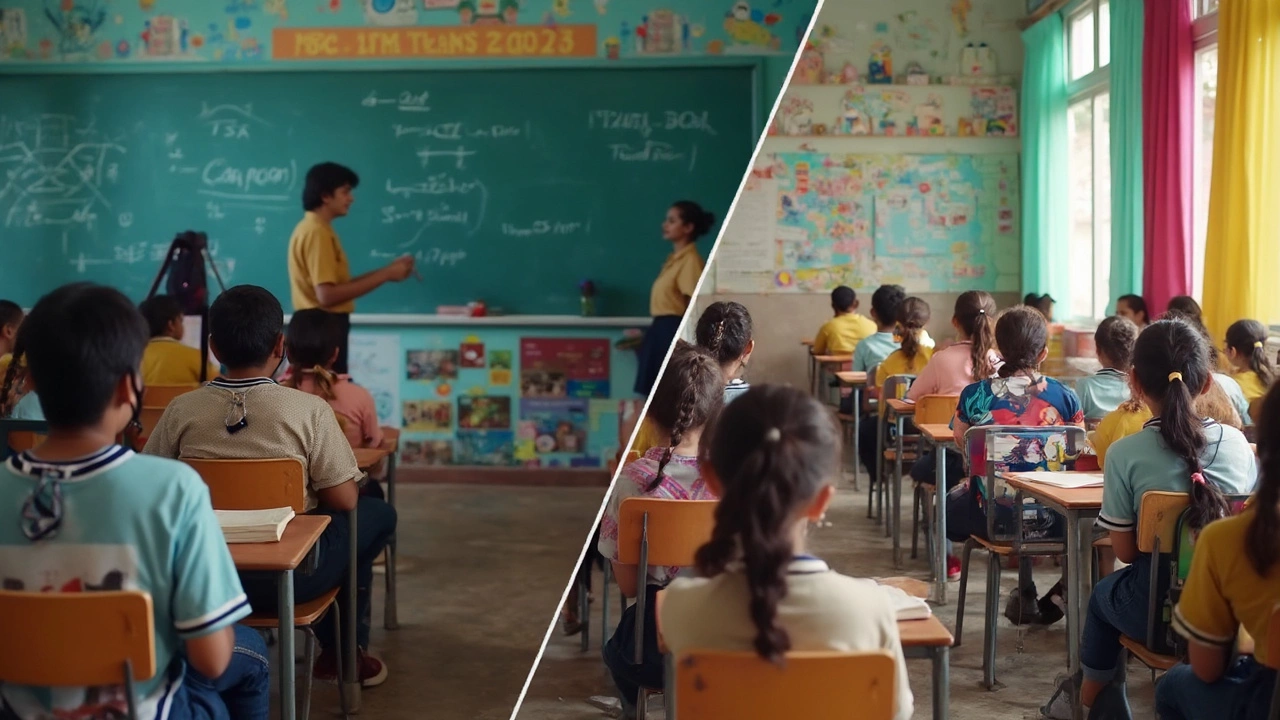
Is CBSE Harder Than American School? The Real Differences Explained
Ever wondered if the CBSE curriculum really piles on more pressure than American schools? This article breaks down the differences that actually matter: difficulty levels, exam patterns, expectations, and daily grind. You’ll get real-life examples and smart tips if you’re switching between systems. No fluff—just honest, clear info to help students and parents make sense of the hype. Think of this as your cheat sheet for understanding what sets CBSE apart from the typical US classroom. It’s everything you wish someone had told you before jumping in.