Coding Hardware: What You Need to Start Programming Without Overpaying
When you start coding, you don’t need the fanciest gear—just something that runs a browser and a text editor. Coding hardware, the physical tools you use to write and run code. Also known as programming setup, it includes your computer, keyboard, and sometimes external devices—but most of the time, it’s just your machine and your focus. You don’t need a $2,000 gaming rig to learn Python or JavaScript. Many beginners think they need top-tier specs, but the truth is, even a five-year-old laptop with 4GB of RAM can handle basic coding tasks just fine.
What really matters is not the brand or the processor speed, but whether your device can run a modern browser and a simple code editor like VS Code or Sublime Text. Operating systems, the software that manages your computer’s hardware and lets you run programs like Windows, macOS, or Linux all work well for coding. Linux is popular among developers for its flexibility, but if you’re just starting, stick with what you already have. Your keyboard, the primary input device for typing code matters more than you think—comfortable keys and good key travel reduce fatigue during long study sessions. You don’t need a mechanical keyboard, but avoid flimsy laptop keys that sink too far.
External monitors, extra mice, or fancy desks? They help, but they’re not required. What you do need is consistency. If you’re learning to code on your own, as many of the posts here show, your hardware should get out of your way—not become a distraction. A slow computer might make you frustrated, but a $300 used laptop from a thrift store can still run a Python script just as well as a new MacBook. The real bottleneck isn’t your hardware—it’s your practice. Many of the stories here are about people learning to code on old machines, in villages, on shared family computers. They didn’t wait for perfect gear. They started with what they had.
Don’t confuse hardware with skill. You can write your first program on a tablet, a Chromebook, or even a Raspberry Pi. The posts below show people learning Python at 50, teaching themselves without classes, and landing jobs—all with basic setups. The tools you use today won’t define your future. What you build with them will.
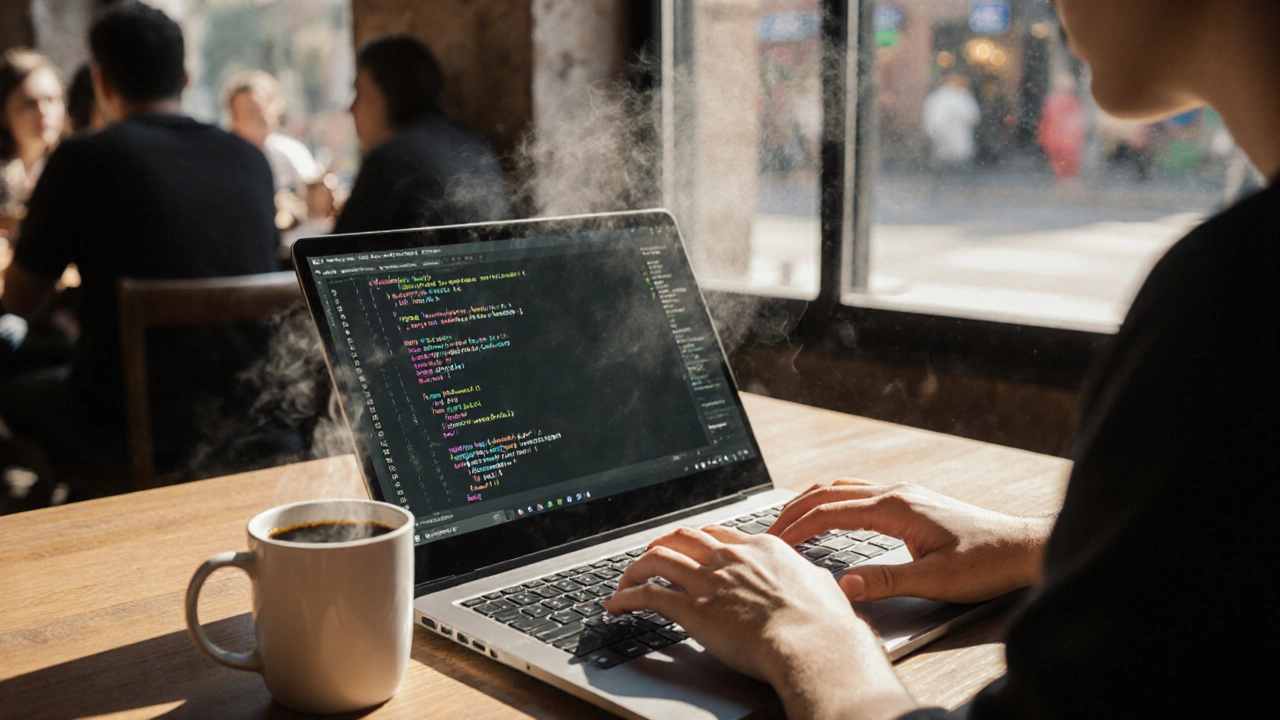
Best Computer for Coding: Laptop or Desktop Guide 2025
Learn the exact hardware specs you need for coding, compare laptops vs desktops, and get budget‑friendly recommendations for 2025.