Computer for Coding: What You Need to Start Learning Programming Today
When you start learning to code, the first question isn’t which language to pick—it’s computer for coding, a device that can run development tools smoothly without slowing down your learning. Also known as a programming workstation, it doesn’t need to be expensive, but it does need to handle basic tasks like running a code editor, browser, and terminal without lag. You don’t need a gaming rig or a $2,000 laptop. Many beginners waste money on overpowered machines, then get stuck because they don’t know how to use them. The truth? A decent computer for coding is one that boots fast, runs Python or JavaScript without freezing, and lets you open multiple tabs and files at once.
What makes a good computer for coding, a device that can run development tools smoothly without slowing down your learning. Also known as a programming workstation, it doesn’t need to be expensive, but it does need to handle basic tasks like running a code editor, browser, and terminal without lag. isn’t brand or looks—it’s specs. You need at least 8GB of RAM, a modern processor (Intel i3 or AMD Ryzen 3 or better), and a solid-state drive (SSD). No spinning hard drives. They’re slow, and when you’re compiling code or opening large files, every second counts. Linux, macOS, and Windows 10/11 all work fine. Many coders prefer Linux for its terminal power, but if you’re just starting, stick with what you already have. Your computer for coding is a tool, not a status symbol.
Related tools matter too. A good keyboard helps—typing code all day adds up. A second monitor? Nice, but not required. What you really need is free software: VS Code, Thonny for Python, or Chrome DevTools. These run fine on older machines. Many self-taught coders started on laptops from 2015. They didn’t have the latest gear—they had consistency. They opened their computer, typed code, made mistakes, fixed them, and kept going.
If you’re learning on a tight budget, check local libraries, community centers, or even schools. Some rural schools in India now offer free access to computers for coding practice. You don’t need your own machine to start. You just need access, curiosity, and the will to try.
Behind every coder who got a job without a degree is a story that started with a simple computer. Not the fanciest. Not the newest. Just one that worked. The posts below show you how real people learned to code on basic hardware, what they did next, and how they turned their first lines of code into real skills—even without formal training.
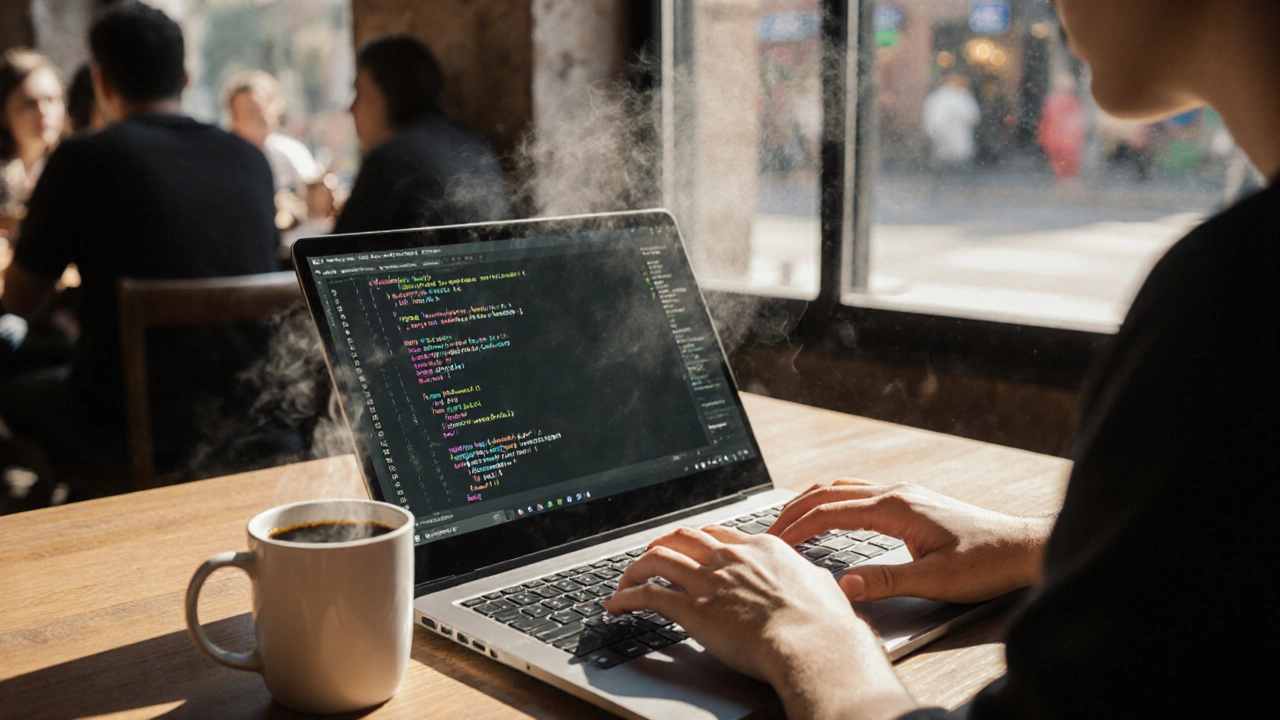
Best Computer for Coding: Laptop or Desktop Guide 2025
Learn the exact hardware specs you need for coding, compare laptops vs desktops, and get budget‑friendly recommendations for 2025.