Curriculum in Rural India: What Schools Teach and Why It Matters
When we talk about curriculum, the official plan for what students learn in school, including subjects, goals, and materials. Also known as syllabus, it’s not just a list of topics—it’s the roadmap that determines whether a child in a village school can catch up, keep pace, or fall behind. In rural India, the curriculum isn’t just about books. It’s about access, relevance, and whether what’s taught actually connects to a student’s life. Many village schools follow the NCERT, the national body that designs textbooks and learning standards for schools across India guidelines, but not all schools get the same support. Some have updated, digital-friendly versions. Others still teach from torn, decade-old copies. The difference isn’t just quality—it’s opportunity.
The CBSE curriculum, the standardized framework used by most private and many government schools in India, especially for competitive exams like JEE and NEET is designed to be uniform, but its real impact depends on teacher training, resources, and student support. In cities, kids get coding classes and AI demos. In villages, they’re lucky if they get a working blackboard. Yet, the same NCERT textbook is supposed to prepare both for the same board exams. That’s why the curriculum isn’t just content—it’s equity. A child in Uttar Pradesh and one in Karnataka should have the same shot at success, but the gap in implementation is wide. The education policy, the government’s framework for how schools operate, fund, and evaluate learning talks about inclusion and digital access, but on the ground, it’s still about who gets a teacher, who gets a textbook, and who gets left out.
What you’ll find here aren’t just opinions. These are real stories from village classrooms where teachers adapted the curriculum to fit local needs—using WhatsApp to send math problems, turning crop cycles into science lessons, or teaching English through Bollywood songs. You’ll see how some schools cracked the code of competitive exams without coaching centers, simply by mastering NCERT. And you’ll learn why the best curriculum isn’t the one with the most pages, but the one that actually reaches the student.
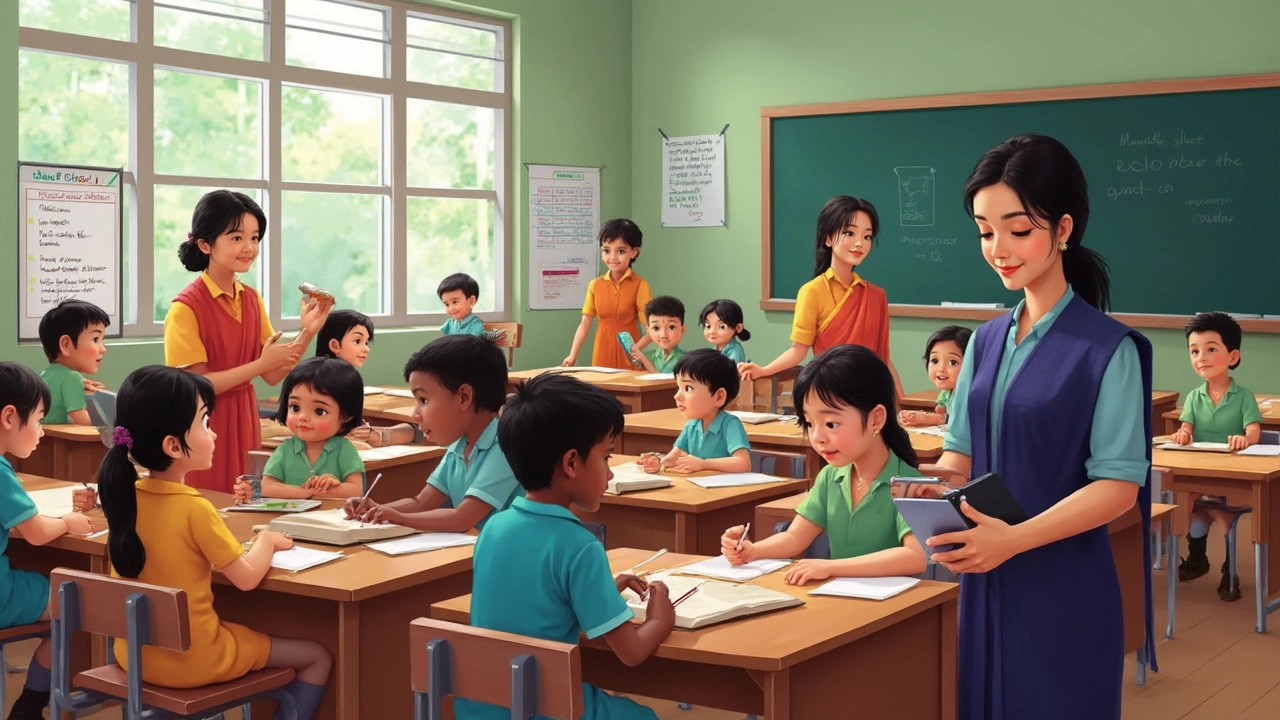
CBSE Syllabus: What It Covers and Why It Matters in India
The CBSE syllabus is the backbone of school education for millions of students in India. It sets out exactly what needs to be studied in every class, from primary up to Grade 12. This article breaks down the key features of the CBSE syllabus, shows how it stacks up against other boards, and explains how families can use its structure to plan ahead. Plus, there are some handy tips about finding updates and making studies less overwhelming. If you're connected to Indian education, you'll find the information practical and straightforward.