Distance Education: Learn Anytime, Anywhere Without a Classroom
When you think of school, you probably picture a classroom, a bell, and a teacher at the front. But distance education, a way of learning where students and teachers are physically separated and connected through technology. Also known as remote education, it lets you study from home, a village, a bus, or even while working a job. This isn’t just for students—it’s for parents, farmers, factory workers, and people over 50 who want to learn Python, get a degree, or switch careers without quitting their lives.
Distance education doesn’t mean you’re alone. It means you choose when, where, and how fast you learn. You don’t need to wait for a coaching center in the city. You don’t need to drop everything to go to college. With free tools, YouTube videos, and apps, you can start today. Many of the posts here show people doing exactly that—learning to code on their own, finishing degrees online, or preparing for NEET and JEE without expensive coaching. It’s not magic. It’s access. And access is what distance education gives you.
It’s not just about courses. It’s about flexibility. You can learn English speaking while cooking dinner. You can study biology during your child’s nap time. You can take an MBA course after your shift ends. The system isn’t built for people like you? Then change the system. That’s what distance education is for. It’s not the second choice. It’s the smart choice—for villages, for working parents, for people who can’t afford to stop earning to learn.
What you’ll find below are real stories from people who used distance education to change their lives. No fancy campuses. No scholarships. Just grit, free tools, and the will to keep going. Whether you’re trying to crack a competitive exam, learn to code, or finally finish that degree—you’re not starting from zero. You’re starting from where you are. And that’s enough.
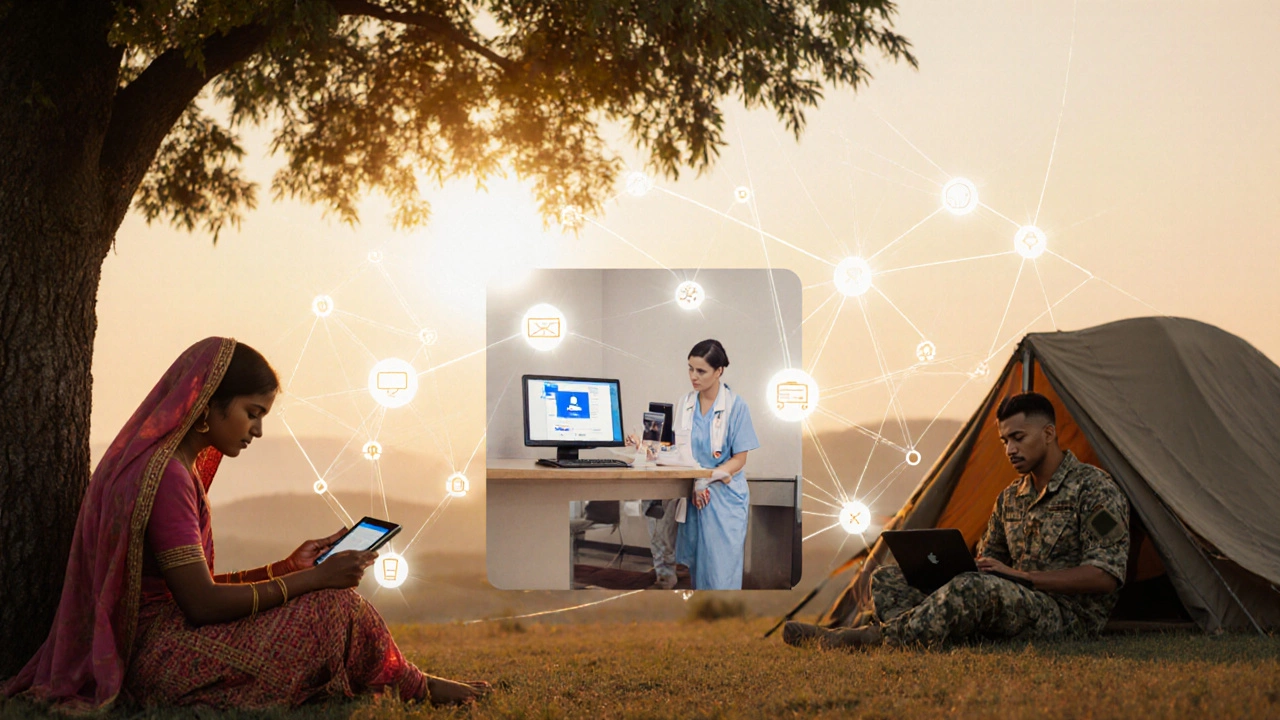
What Is Distance Education? Definition, History, and How It Works Today
Distance education is a structured learning system where students and teachers are separated by distance, using technology, mail, or media. It’s not just online classes-it’s a proven method used by millions worldwide to earn degrees, certifications, and skills on their own terms.
Distance Learning: Why It's Actually Better For Most of Us
This article digs into why distance learning beats traditional classroom methods for many of us. You'll see how it gives people more freedom, saves money, and lets anyone study from anywhere. We've also got real facts about how it works and simple tips to get the most out of it. If you're thinking about switching to online classes or want to know what makes them tick, you'll find some useful stuff here. Forget the myths—see what distance learning actually offers.
Understanding Distance Education Today
Distance education has transformed from correspondence courses to advanced online platforms, reshaping how we access knowledge. With digital tools at our fingertips, students from anywhere can learn just about anything. The flexibility and accessibility of distance education can benefit students juggling work, family commitments, or living in remote areas. However, it also presents unique challenges, like self-discipline and finding ways to stay engaged, which both learners and educators need to address.