Distance Learning: How Rural India Is Catching Up With Online Education
When we talk about distance learning, a way of studying without being physically present in a classroom, often using digital tools like videos, apps, or radio broadcasts. Also known as online education, it’s no longer just for city kids with fast internet. In villages across India, it’s becoming the only way millions can keep learning—especially when schools are closed, teachers are absent, or buses don’t run.
Distance learning doesn’t mean fancy laptops and Zoom calls. For many families in Uttar Pradesh, Bihar, or Odisha, it’s a smartphone shared among siblings, a free NCERT app downloaded on a 4G connection that drops every 10 minutes, or a radio broadcast from the local education department. It’s parents helping their kids with math because the teacher hasn’t shown up in weeks. It’s students in remote areas using YouTube tutorials to prepare for NEET or JEE, just like the ones in Delhi. This isn’t theory—it’s daily reality. And the tools? They’re not perfect. But they’re working. self-paced learning, a method where learners control the speed and timing of their study, often without live instruction is quietly becoming the backbone of rural education. No timetable. No pressure to keep up. Just progress, one video at a time.
What’s surprising is how many of these students are succeeding without formal coaching. The same people who taught themselves Python at 50 or cracked JEE without coaching are now doing the same for their kids—using free resources, WhatsApp groups, and offline video downloads. digital classrooms, virtual spaces where teaching happens through screens, often using platforms like YouTube, DIKSHA, or Google Classroom aren’t just for elite schools anymore. They’re in huts with solar chargers. In villages where electricity comes and goes, the most reliable digital classroom is a downloaded MP4 file on a phone. And guess what? Students are passing. They’re scoring better. They’re applying for colleges. The system isn’t perfect, but it’s alive.
There’s no magic fix. Poor connectivity, lack of devices, and low digital literacy still hold back millions. But the tide is turning. Government schemes like DIKSHA, free Android tablets for school kids, and state-run TV channels teaching Class 8 math are making a real difference. The real win? Students are learning to learn on their own. That’s the skill that lasts longer than any app or internet plan. What you’ll find below are real stories, practical guides, and honest reviews of how people in rural India are using distance learning to change their futures—no fancy tech required, just grit and a phone.
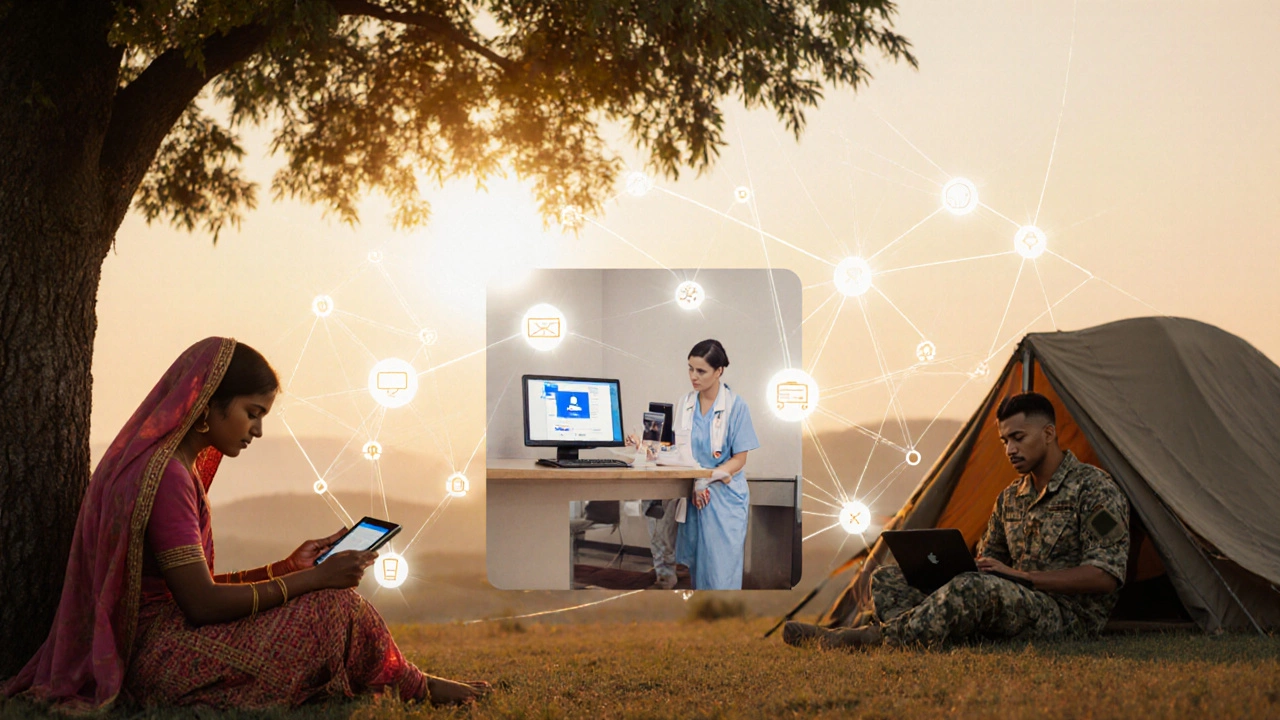
What Is Distance Education? Definition, History, and How It Works Today
Distance education is a structured learning system where students and teachers are separated by distance, using technology, mail, or media. It’s not just online classes-it’s a proven method used by millions worldwide to earn degrees, certifications, and skills on their own terms.

Distance Learning: Why It's Actually Better For Most of Us
This article digs into why distance learning beats traditional classroom methods for many of us. You'll see how it gives people more freedom, saves money, and lets anyone study from anywhere. We've also got real facts about how it works and simple tips to get the most out of it. If you're thinking about switching to online classes or want to know what makes them tick, you'll find some useful stuff here. Forget the myths—see what distance learning actually offers.