Education in Rural India: What Works, What Doesn’t, and How to Make It Better
When we talk about education, the process of acquiring knowledge, skills, values, and habits through teaching and learning. Also known as learning, it’s not just about books or exams—it’s about unlocking potential in places where resources are scarce but determination is high. In India’s villages, education isn’t a luxury. It’s the only ladder many families have. But this ladder is broken in too many places—missing teachers, outdated books, no internet, and kids walking miles just to reach a school that might not even have a roof.
Yet, something quiet and powerful is happening. rural education, education delivered in villages and remote areas, often with limited infrastructure and high student-to-teacher ratios isn’t failing because people don’t care. It’s failing because systems haven’t caught up. The truth? A student in a village in Uttar Pradesh can learn Python just like one in Bangalore—if they get the right tools. And they’re starting to. Distance education, free YouTube tutorials, mobile learning apps, and self-taught coders are turning village classrooms into launchpads. One teacher in Madhya Pradesh started using WhatsApp to send daily math problems. Her students’ pass rate jumped by 40% in a year.
village schools, small educational institutions in rural India, often serving communities with little access to urban resources don’t need fancy buildings. They need consistent support. The best programs aren’t the ones with the biggest budgets—they’re the ones with the most local trust. A parent who sees their child solve a coding problem on a used phone doesn’t just feel proud. They start believing education is possible. That belief is the real curriculum.
Government policies like the National Education Policy 2020 talk about equity. But real change happens when a 50-year-old farmer learns to code, when a girl in Bihar cracks NEET without coaching, when a student in Odisha uses free English apps to speak confidently. These aren’t exceptions. They’re proof that the system can work—if we stop trying to fix it from the top and start listening from the ground.
What you’ll find here isn’t theory. It’s real stories from real villages. You’ll read about how CBSE is becoming the go-to board for rural students aiming for JEE or NEET. You’ll see why distance education is no longer a backup plan but a lifeline. You’ll learn which exams are actually winnable for someone without coaching, and how coding skills are opening doors no one thought existed. This isn’t about pity. It’s about possibility. And the people making it happen? They’re not waiting for permission. They’re learning, teaching, and building—right now, in villages across India.
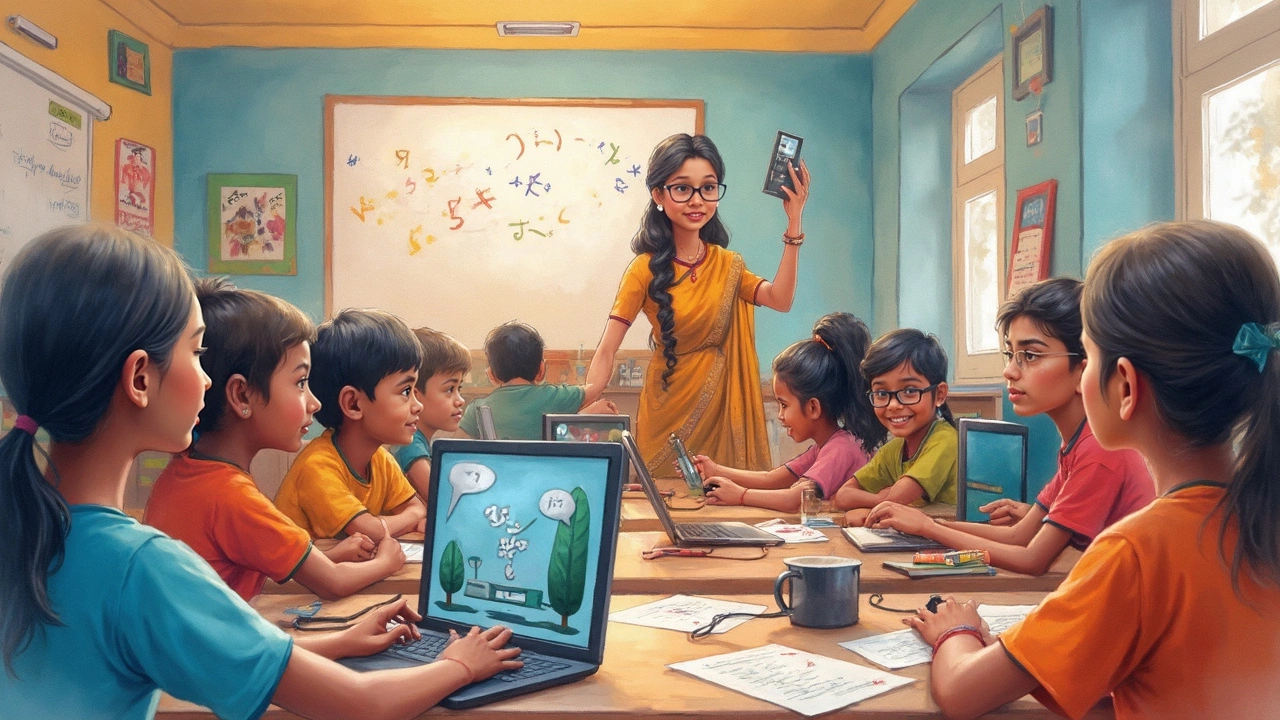
Is Math the Secret Ingredient in Learning to Code?
Ever wondered if knowing math is essential for coding? While it helps, especially when it comes to logic and algorithms, many coding languages and applications don't require more than basic arithmetic. This article explores how different math skills apply in various programming scenarios and offers tips for those less confident in math. Get the real picture on coding and math, including surprising insights from recent studies.
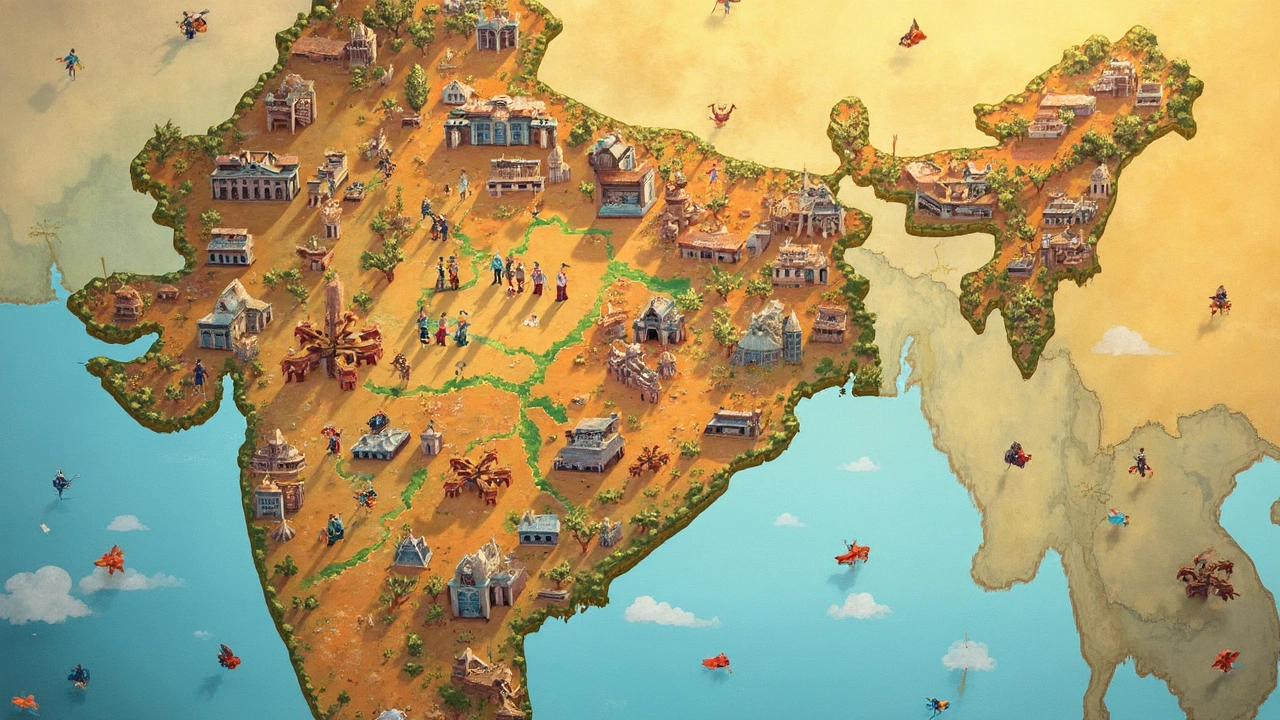
Which State Tops the List for CBSE Schools in India?
Ever wondered which state in India boasts the highest number of CBSE schools? If you're a parent considering educational options or just curious about the educational landscape, this is essential reading. We explore the state leading in CBSE school numbers, why this is the case, and what it means for students and parents alike. Whether you're seeking quality education for kids or examining educational trends across India, this information sheds light on the situation.

Vocational vs. Educational: Understanding the Core Differences
Vocational and educational paths cater to different learning styles and career goals. While educational courses often focus on theory and broad-based learning, vocational training is practical and skill-oriented. Choosing between them depends on personal interests and career aspirations. This distinction allows learners to tailor their studies to meet future job requirements effectively.

Are Exams Easier in the UK or USA?
Are you curious whether exams are easier in the UK or the USA? We explore the differences between the two education systems, focusing on how students are assessed. From the structure of exams to grading criteria, we've got the lowdown. Plus, discover some tips on how best to tackle these exams depending on where you study. This exploration helps students and parents understand what they might experience in both educational contexts.
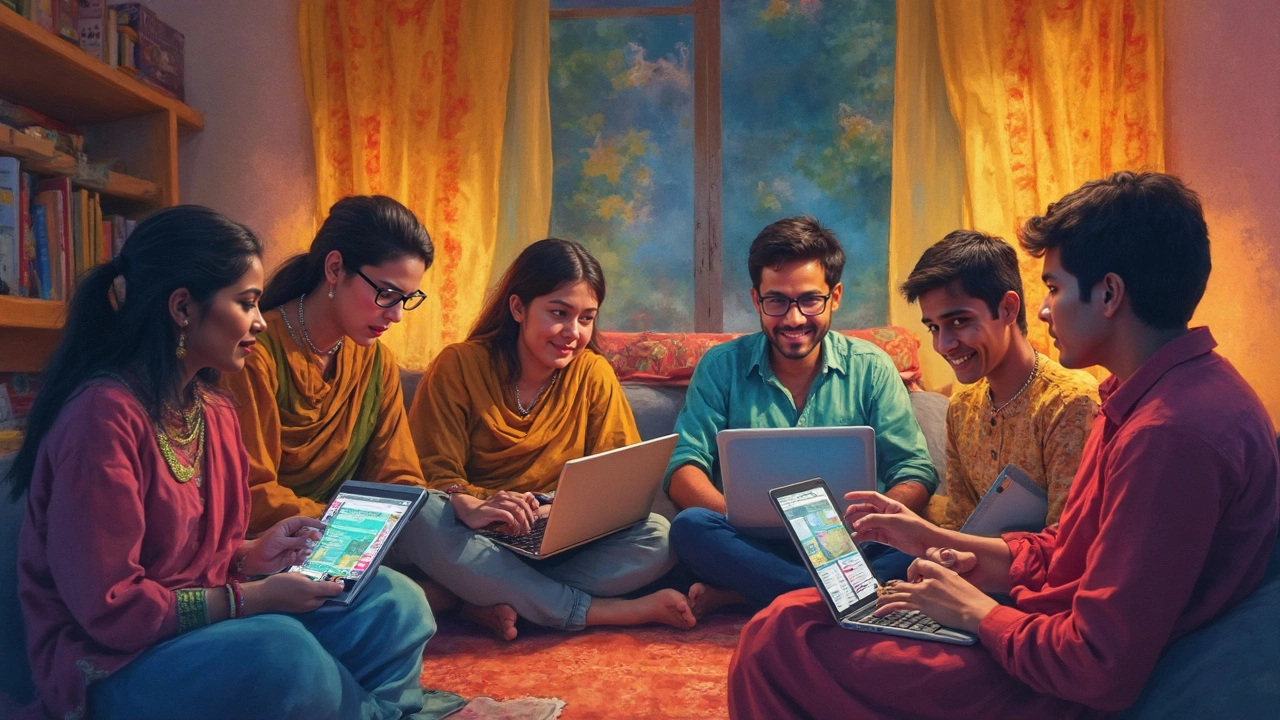
Easiest Online Degrees: Finding Your Best Fit
If you're looking to earn a degree online with minimal stress, there are some degrees known for being more accessible. This article explores the easiest degrees you can pursue online and why they might be right for you. We'll discuss factors that make these programs less daunting, such as flexible schedules and practical coursework. Get insights into the options available and tips on choosing the right path for your goals. Learn how online education can be doable without sacrificing quality or depth.