Education Challenges in Rural India: What’s Broken and How to Fix It
When we talk about education challenges, the systemic barriers that prevent children in rural India from getting a quality education. Also known as rural education gaps, these issues aren’t abstract—they’re daily realities for millions of students who walk miles to school, sit in classrooms with no books, and learn from teachers who haven’t been trained in years. This isn’t about poor motivation. It’s about broken systems.
rural education, the delivery of schooling in villages across India, often without basic resources suffers from three core problems: teacher shortages, infrastructure gaps, and outdated curricula. In many villages, one teacher handles five grades at once. Classrooms have no electricity, no toilets, and sometimes no roofs. Meanwhile, the same textbooks used in 2005 are still being handed out. These aren’t minor flaws—they’re roadblocks that stop learning before it even begins.
village schools, the primary educational institutions serving India’s rural population are often the only option families have. But they’re not just underfunded—they’re ignored. While cities get smart boards and coding classes, village kids struggle to find a single working pen. Yet, change is happening. Some schools are using mobile apps to deliver lessons. Others are training local volunteers as teaching assistants. A few are even partnering with NGOs to bring in mentors. These aren’t perfect fixes, but they’re proof that progress is possible when communities take charge.
What’s Really Holding Back Learning?
The biggest myth? That rural kids aren’t eager to learn. They are. But they’re fighting against a system that doesn’t adapt. government education policy, the national rules and funding decisions that shape how schools operate often looks good on paper but fails on the ground. Schemes promise free textbooks, but they never reach the village. Teacher postings are assigned based on bureaucracy, not need. And inspections? They happen once a year—if that. Meanwhile, parents who can’t read themselves can’t help with homework. The cycle keeps spinning.
And then there’s access to education, the ability of a child to physically and socially reach a learning environment. In some areas, girls drop out after puberty because there’s no separate toilet. Others walk 8 kilometers to school because there’s no bus. In monsoon season, roads vanish. Learning stops. No one talks about this enough. But if you can’t get to school, nothing else matters.
What you’ll find below isn’t a list of complaints. It’s a collection of real stories, practical fixes, and hard truths from people who’ve been there. From a 50-year-old learning Python to teach kids tech basics, to a village that turned an abandoned building into a library—these posts show that solutions exist. They’re not flashy. They don’t need billions. They just need to be seen, shared, and scaled.
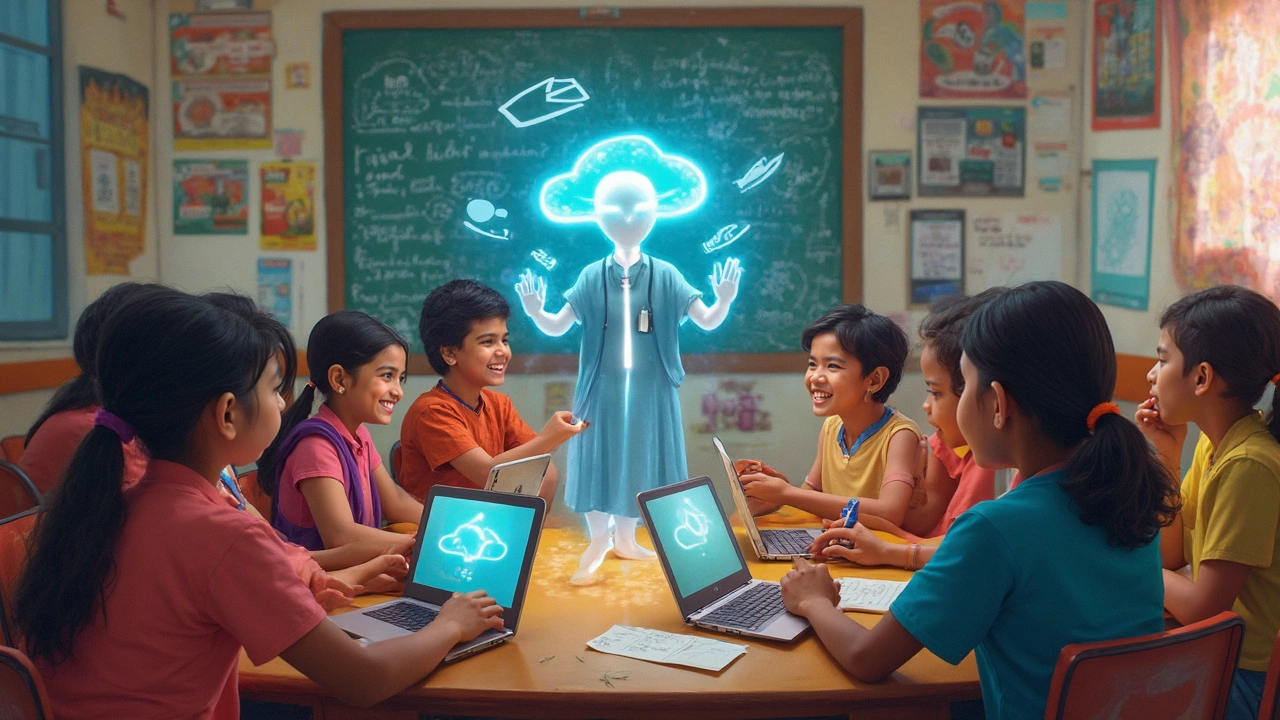
What's Wrong with eLearning?
Online learning has become a massive part of education, but it's not without its hiccups. Challenges like engagement issues, limited interactivity, and the digital divide stand out. This article dives into these problems and offers practical tips to make the most of eLearning. Get ready to explore the hurdles and discover ways to enhance your online education experience.