Global Education: What It Really Means and How It Affects Rural Classrooms
When we talk about global education, a system where learning standards, tools, and ideas cross national borders to shape how students are taught worldwide. Also known as international education, it’s not just about sending kids to foreign universities—it’s about how curriculums, tech, and teaching methods from one part of the world end up in a village school in Uttar Pradesh or Bihar. Think about it: a student in a rural Indian school might be using the same free coding platform as a kid in Kenya or Brazil because someone in Silicon Valley built it and made it open. That’s global education in action.
It’s not just about software, though. distance education, a way of learning where students and teachers aren’t in the same physical space, often using digital tools or mailed materials has become a backbone of global education, especially in places where schools are far apart or underfunded. India’s own NCERT and DIKSHA platforms are part of this global trend—using mobile tech to reach kids who can’t get to a classroom every day. And it’s working. Teachers in remote villages are now using YouTube videos, AI tutors, and WhatsApp groups to explain math or English because those tools were developed somewhere else and shared freely.
But global education isn’t all shiny apps and free courses. It also brings pressure. When CBSE updates its syllabus to match international standards, or when NEET toppers are compared to students in the US or UK, rural schools feel the squeeze. Parents start asking, "Why isn’t my child learning like kids in other countries?" Meanwhile, government policies like the National Education Policy 2020 try to balance local needs with global benchmarks. The result? A mix of hope and confusion. Some schools thrive by adopting global tools. Others struggle because the tools don’t fit their reality—no internet, no electricity, no trained teachers.
That’s why the posts you’ll find here matter. They don’t just talk about global education in theory. They show you how it plays out in real life: a 50-year-old learning Python from a free app, a student cracking JEE without coaching because they watched YouTube tutorials, a teacher using distance education tools to reach kids without a school building. These aren’t isolated stories—they’re pieces of the same global puzzle. You’ll see how coding, exams, online degrees, and even the simplest digital tools are changing what education looks like, even in the quietest villages. This isn’t about keeping up with the West. It’s about using what’s out there to make learning work for your child, your community, your future.
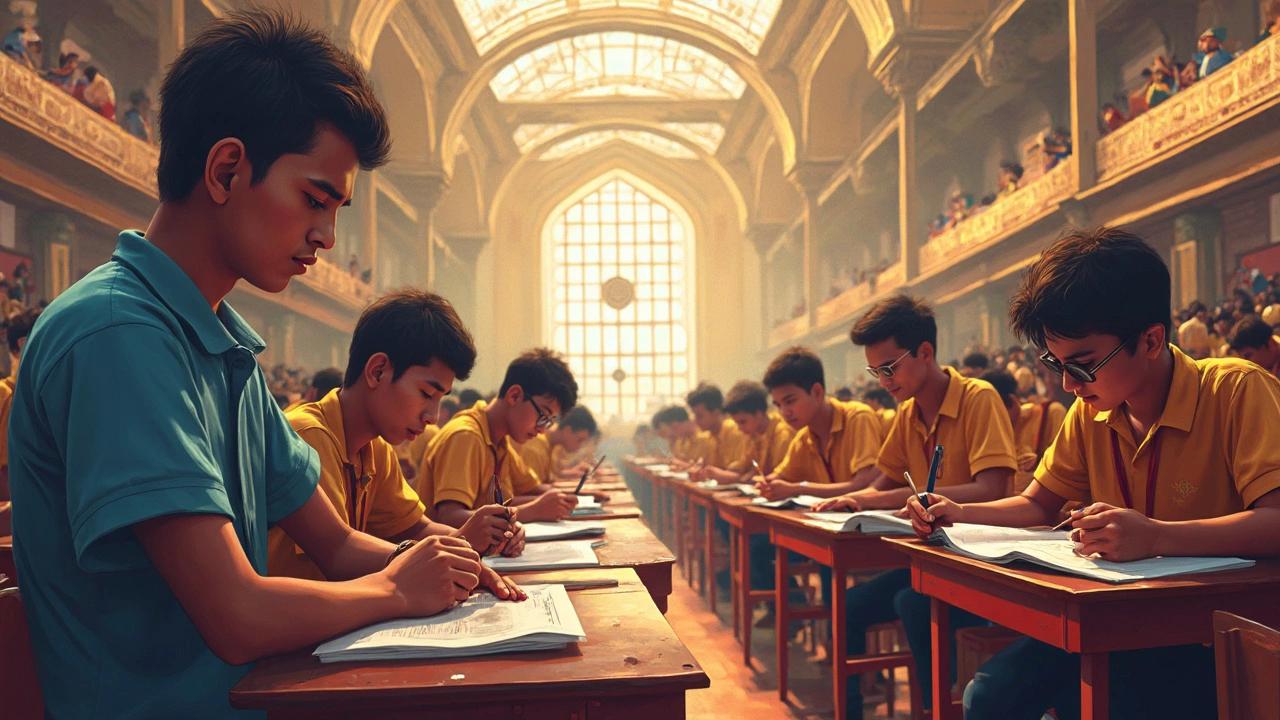
Unraveling Which Country Leads in Math Excellence
Which country takes the crown in mathematics? Dive into the world of competitive exams to uncover where math excellence truly lies. Discover intriguing insights about math powerhouses, what sets them apart, and some practical tips to boost your own math skills. Uncover the secrets behind top-performing nations and find out why they consistently lead the ranks. Whether you're a math enthusiast or just curious, this exploration offers valuable takeaways for everyone.