India: Education, Exams, and Opportunities in Rural and Urban Classrooms
When you think of India, a country where over 250 million students are in school and millions more are preparing for life-changing exams. Also known as the world’s largest democracy, it’s a place where a child in a village school might be studying from the same NCERT textbook as a student in Delhi—and both are racing toward the same JEE, the Joint Entrance Examination that decides who gets into India’s top engineering colleges. This isn’t just about exams—it’s about access, inequality, and quiet revolutions happening in classrooms with no internet but full of determination.
Behind every top scorer in CBSE is a story of discipline, not privilege. NEET, the medical entrance exam that determines who becomes a doctor in India, isn’t just hard—it’s the gatekeeper for over 1.8 million aspirants every year. And while coaching institutes like Allen dominate headlines, thousands more are cracking these exams alone, using free YouTube videos, old question papers, and library books. Meanwhile, in rural India, teachers are using WhatsApp to send homework because there’s no school bus. The distance education, a system that lets learners earn degrees without stepping into a classroom model is no longer a backup—it’s becoming the only option for many. And it’s not just for students. People over 50 are learning Python, a programming language that’s opening doors to tech jobs without a degree, because the job market in India doesn’t care about age—it cares about what you can build.
From the stress of IIT JEE to the quiet wins of self-taught coders in villages, India’s education system is messy, unfair, and full of grit. You’ll find posts here about which board gives you the best shot at JEE, how to learn English for free, what jobs actually need coding, and why some government jobs are easier to land than others. There’s no sugarcoating: the system is stacked. But you’ll also find real people—mothers in Bihar teaching themselves to code, retired teachers running free NEET prep groups, students in Odisha using old smartphones to watch YouTube lectures. This isn’t about perfect schools. It’s about what people do when the system doesn’t show up. Below, you’ll see how Indians are rewriting the rules—on their own terms, with no funding, no fame, just focus.
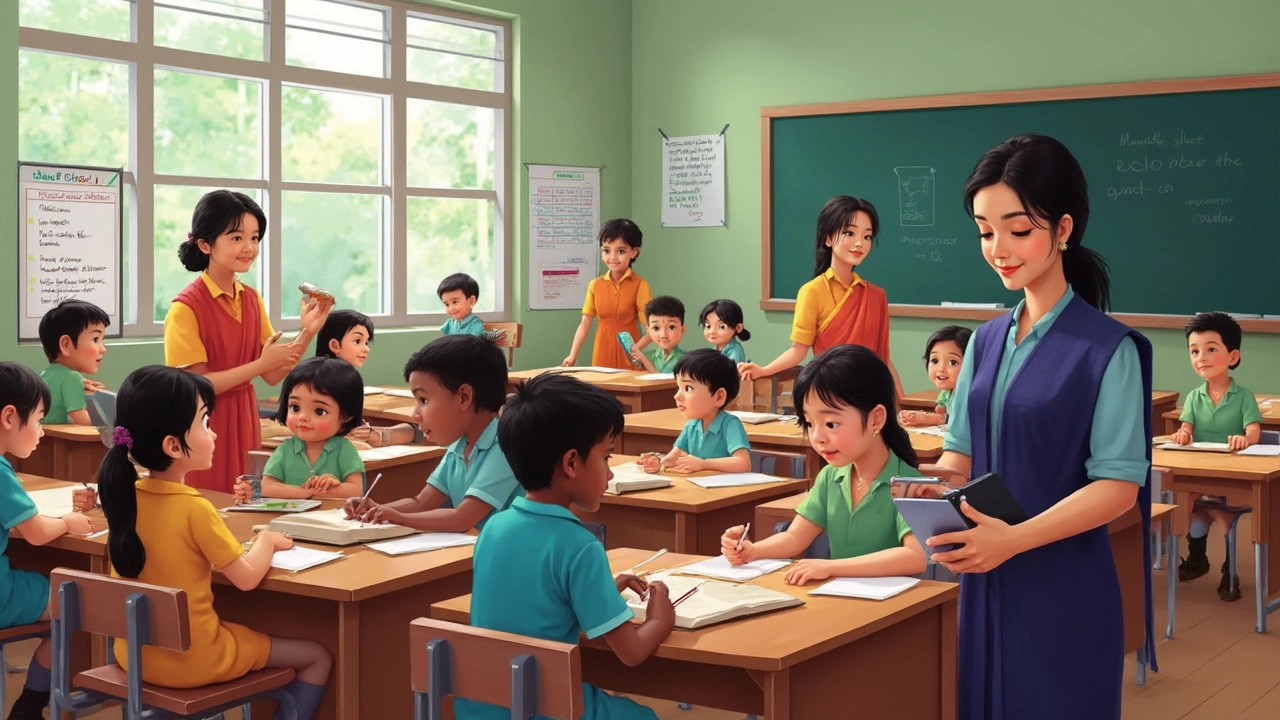
CBSE Syllabus: What It Covers and Why It Matters in India
The CBSE syllabus is the backbone of school education for millions of students in India. It sets out exactly what needs to be studied in every class, from primary up to Grade 12. This article breaks down the key features of the CBSE syllabus, shows how it stacks up against other boards, and explains how families can use its structure to plan ahead. Plus, there are some handy tips about finding updates and making studies less overwhelming. If you're connected to Indian education, you'll find the information practical and straightforward.
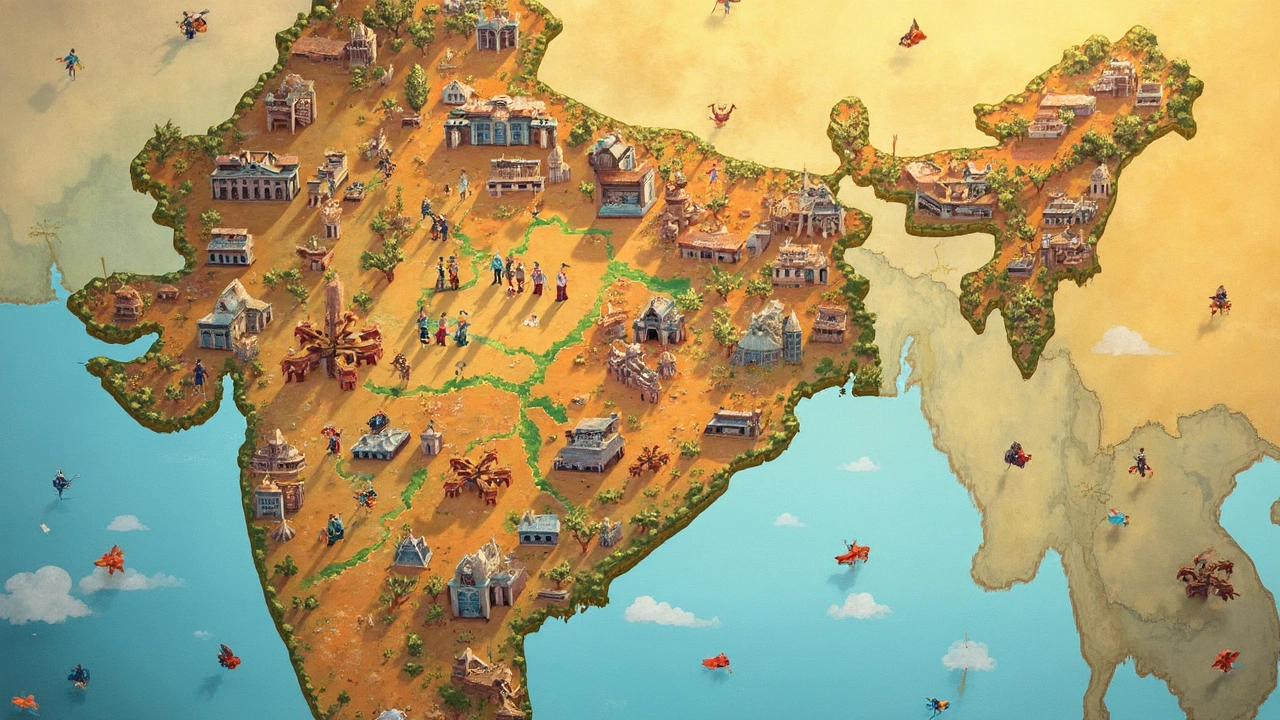
Which State Tops the List for CBSE Schools in India?
Ever wondered which state in India boasts the highest number of CBSE schools? If you're a parent considering educational options or just curious about the educational landscape, this is essential reading. We explore the state leading in CBSE school numbers, why this is the case, and what it means for students and parents alike. Whether you're seeking quality education for kids or examining educational trends across India, this information sheds light on the situation.