Learning to Code: What It Really Takes and Who Can Do It
When you hear learning to code, the process of writing instructions computers understand to build software, websites, or automate tasks. Also known as programming, it’s no longer a secret skill locked behind university degrees. It’s something anyone with a phone and a little patience can start today—no matter their age, background, or where they live.
Most people think you need a computer science degree, expensive courses, or years of practice. But the truth? Python, a simple, readable programming language used for web apps, data analysis, and even automation in schools and clinics is the most common starting point. And self-taught programmer, someone who learns coding without formal classes, using free tools and real projects isn’t rare anymore—it’s the norm. Look at the stories: a 52-year-old teacher in Rajasthan picked up Python and now automates student records. A college dropout in Bihar built a local job board using JavaScript. These aren’t outliers. They’re proof that learning to code is about consistency, not credentials.
What you actually need is a clear goal—like fixing a daily task, building a simple app, or switching careers—and the willingness to try, fail, and try again. You don’t need the best laptop. You don’t need to memorize syntax. You just need to build something, even if it’s tiny. That’s how real skills grow. The posts below show exactly how people in rural India and beyond are doing it: with free resources, no coaching, and no excuses. You’ll find real stories, step-by-step paths, and the hidden truths about who can succeed—and how.
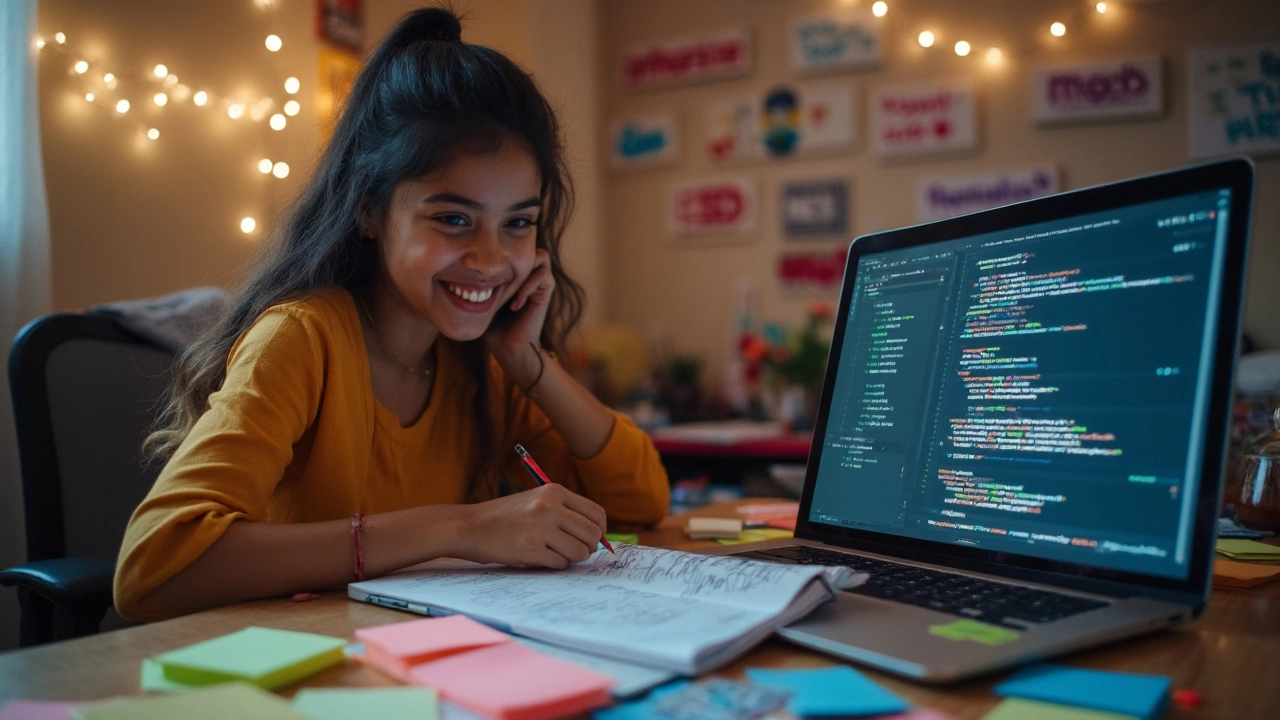
Does Coding Ever Get Easier? What Really Changes When You Learn to Code
Anyone who starts coding wonders if it ever gets less confusing and stressful. This article tackles that head-on, breaking down how coding really changes as you go from newbie to someone who writes decent code with confidence. Packed with honest insights and relatable stories, it's a down-to-earth look at the bumps and breakthroughs people actually face in coding classes. Find out what gets easier, what stays hard, and what tricks help make learning to code less intimidating. It's the honest talk every future coder wanted but couldn't find online.

Do You Need Math Skills for Coding Success?
Many aspiring coders wonder if they need to be good at math to succeed in programming. Understanding basic math concepts can be helpful in coding, but advanced math skills are not a prerequisite for all types of coding jobs. This article explores the role math plays in coding, discusses how math influences different coding disciplines, and offers insights into which areas might require more mathematical expertise. Learn how to navigate the coding landscape based on your math abilities and discover practical tips for improving your coding skills regardless of your math background.