MBA Demand: Is It Worth It in 2025? Real Insights on Salary, Cost, and Careers
When people talk about MBA demand, the growing interest in Master of Business Administration degrees as a career accelerator, especially in competitive job markets. Also known as postgraduate business education, it's not just a degree—it's a financial decision with real trade-offs. Many think an MBA automatically means higher pay and better jobs, but the truth is messier. In 2025, the value of an MBA depends on who you are, what you’ve done before, and where you’re going after.
It’s not just about the classroom. Employers now care more about work experience for MBA, the real-world professional background applicants bring into the program, often more than GPA or test scores. If you’ve managed teams, led projects, or solved business problems before applying, you’re already ahead. The MBA doesn’t make you a leader—it helps you prove you already are one. And that’s why top programs now require at least two to three years of full-time work before admission. Without it, your application often gets ignored, no matter how high your GMAT score is.
Then there’s the cost. An MBA from a top Indian or international school can cost over ₹20 lakhs. Add lost income from stepping away from your job for a year or two, and you’re looking at ₹30-40 lakhs in total investment. But here’s the real question: do you get it back? Some graduates see their salaries jump 80-100% in the first year after graduation. Others end up making less than they did before, especially if they switched industries without clear direction. The difference? Clarity. People who succeed know exactly why they’re doing it—whether it’s to move into management, switch companies, or launch their own business. Those who do it because "everyone else is" often regret it.
And let’s not forget the hidden players: MBA return on investment, the net financial gain after subtracting all costs, including tuition, living expenses, and forgone salary, over a five-year period. This isn’t a number you find on a brochure. It’s something you calculate yourself, based on your current salary, your target role, and the average pay in your industry. For example, if you’re in IT and want to move into product management, an MBA from a decent school might be worth it. If you’re in retail and want to stay in retail, maybe not.
What you’ll find below are real stories, real numbers, and real advice—not theory. We’ve pulled together posts that answer the questions no business school will tell you outright: Can you skip an MBA and still get promoted? Who actually profits from the degree? What if you’re over 35? Is an online MBA worth it? And why do so many people end up stuck in jobs they didn’t want, even after spending lakhs?
These aren’t generic guides. They’re the kind of honest takes you’d get from someone who’s been through it—and lived to tell the story. Whether you’re thinking about applying next year or just curious if the hype is real, what follows will help you decide without the sales pitch.
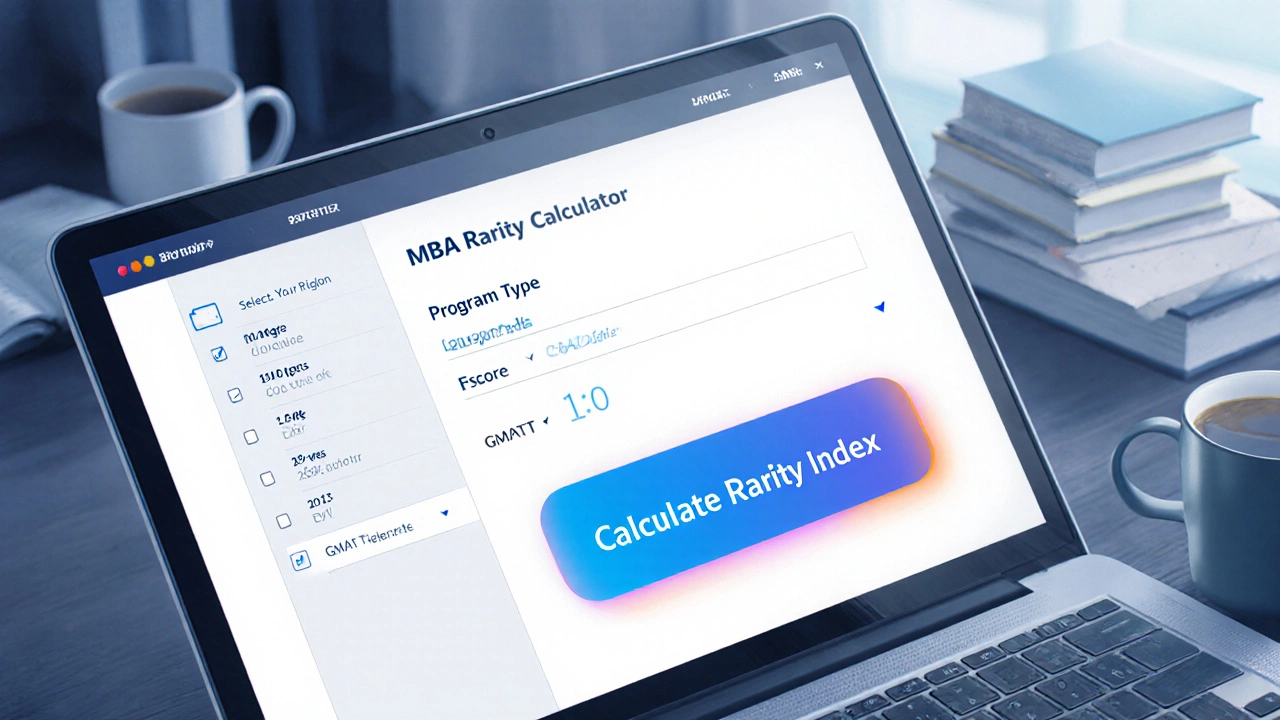
How Rare Is an MBA? Real Numbers, Trends, and What It Means for You
Explore how rare an MBA really is, with up‑to‑date enrollment stats, regional breakdowns, cost factors, and ROI insights to help you decide if a master's in business is right for you.