Remote Education in Rural India: How Learning Works When Schools Are Far Away
When we talk about remote education, a way of delivering learning when students and teachers aren’t in the same physical space. Also known as distance learning, it’s no longer just a backup plan—it’s becoming the only plan for millions of kids in India’s villages. Think of it like this: a girl in a village in Uttar Pradesh watches a video lesson on her brother’s old phone. A teacher in Rajasthan sends voice notes to parents who can’t read. A group of students in Odisha shares one tablet among ten families. This isn’t science fiction. It’s happening right now.
rural education, the system of teaching and learning in villages where infrastructure is weak and resources are scarce. Also known as village schooling, it’s not broken—it’s being rebuilt with what’s available. There’s no high-speed internet, no smartboards, no textbooks in many places. But there are mobile phones. There are community centers. There are teachers who walk miles to deliver lessons. Remote education here doesn’t mean Zoom calls and Google Classroom like in cities. It means WhatsApp groups with audio lessons, radio broadcasts in local dialects, printed worksheets handed out at the anganwadi, and peer study circles under trees. The tools are simple, but the need is urgent.
The digital divide, the gap between those who have access to modern technology and those who don’t. Also known as tech inequality, is real here. One child might have a smartphone with data; another has no phone at all. But the best remote education programs don’t wait for perfect conditions. They work with what’s there. They use low-data videos, offline apps, and SMS-based quizzes. They train local volunteers to help. They don’t ask for better tech—they ask for better thinking.
And it’s working. Kids in villages are learning Python, cracking NEET, passing CBSE boards, even landing jobs—all through remote methods. They’re not waiting for schools to reopen. They’re building their own paths. You’ll find stories here of teachers who turned WhatsApp into a classroom, of students who taught themselves coding with free YouTube videos, of parents who became learning coaches without ever stepping into a college.
What follows isn’t a list of fancy gadgets or expensive platforms. It’s a collection of real, gritty, hopeful stories from the ground. You’ll see how remote education isn’t about the tech—it’s about the people who make it work. Whether you’re a teacher in a village, a parent trying to help, or just someone who cares about what’s happening beyond the city limits—this is your guide to what’s actually working.
What Is Distance Education? Definition, History, and How It Works Today
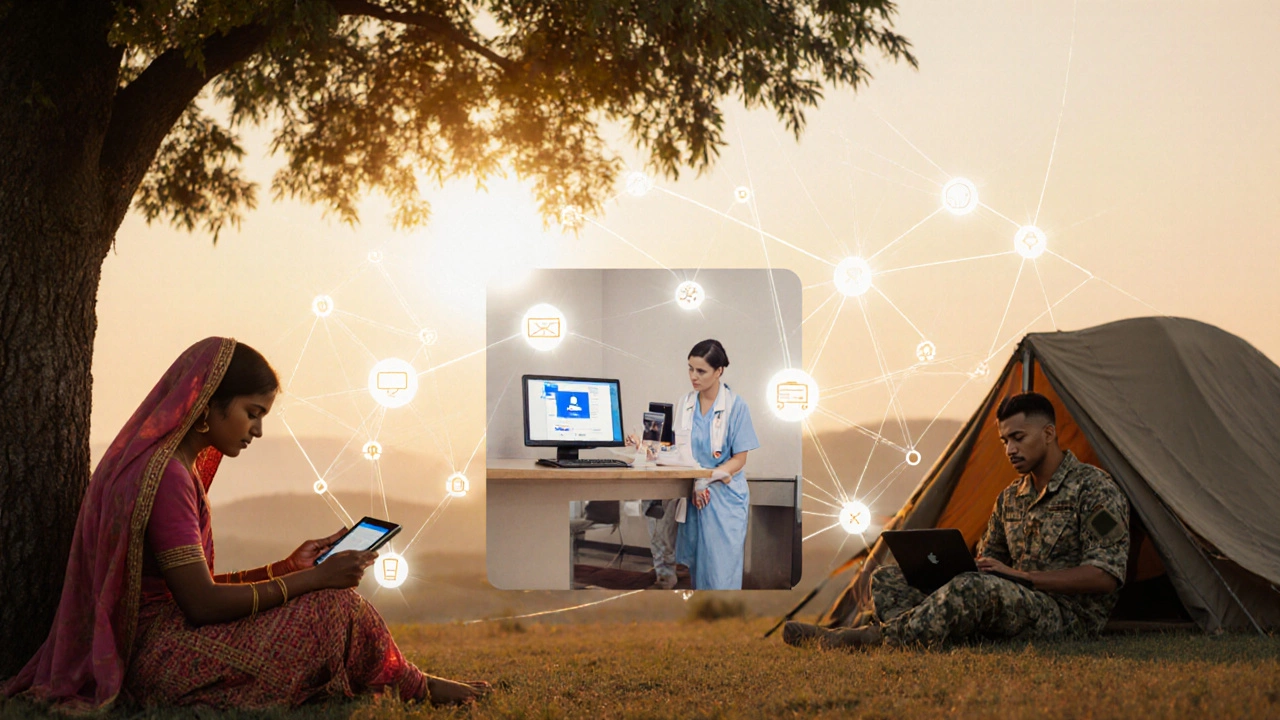
Distance education is a structured learning system where students and teachers are separated by distance, using technology, mail, or media. It’s not just online classes-it’s a proven method used by millions worldwide to earn degrees, certifications, and skills on their own terms.

Highest Paying Online Teaching Jobs: Where to Earn the Most in 2025
Find out which online teaching jobs pay the most in 2025, along with realistic earnings, required skills, and tips to boost your salary in remote education.