Sacking in Government Jobs: What Really Happens and Who Gets Affected
When someone gets sacking in government jobs, the formal termination of a public sector employee for misconduct, inefficiency, or violation of service rules. Also known as dismissal, it’s not just a paperwork process—it’s a life-altering event that can end careers built over decades. Unlike private companies, government jobs in India come with layers of protection: union support, service rules, and appeals processes. But when sacking does happen, it’s rarely because of one mistake. It’s usually the result of a mix of politics, paperwork, and pressure.
Most cases of government job termination, the official removal of a public servant from their position. Also known as removal from service, it typically follows a disciplinary inquiry under Rule 14 of the CCS (CCA) Rules or similar state-level regulations. Common reasons include corruption, absenteeism, falsifying records, or refusing to follow lawful orders. But behind every case, there’s often a story: a teacher caught in a state-wide crackdown on fake attendance, a clerk fired after refusing to bend rules for a local politician, or an officer dismissed for a minor procedural error that was blown out of proportion. These aren’t just job losses—they’re trust fractures in a system that promises stability.
job security in India, the perception and legal reality that government employment is protected from arbitrary dismissal. Also known as permanent employment, it’s why millions compete for these roles every year. But that security is fragile. Recent audits by the Comptroller and Auditor General (CAG) show that over 12,000 government employees were dismissed between 2018 and 2023 for misconduct. Many were from rural postings—teachers, health workers, clerks—where oversight is weak and retaliation is common. The real risk isn’t always the rule broken; it’s who you crossed. A woman who reported salary theft? A man who refused to cook for a superior? These aren’t just cases—they’re patterns.
And then there’s the silence. Most people never hear about the sacking until it’s done. No warning. No hearing. Sometimes, no reason given. The system allows for appeals, but the process can take years. By then, the person’s savings are gone, their family’s future is uncertain, and the job is already filled by someone else. What’s worse? Many of those dismissed are the ones who actually tried to do the right thing—reporting corruption, pushing for transparency, or just showing up every day in a village school with no electricity.
There’s no single fix. But understanding how sacking works—what triggers it, who gets targeted, and how the rules are used (or ignored)—is the first step to fighting back. The posts below show real cases, legal loopholes, and what people actually did when they were pushed out. Some fought back and won. Others never got a second chance. You’ll see the patterns. You’ll see the gaps. And you’ll see that sacking in government jobs isn’t about performance—it’s often about power.
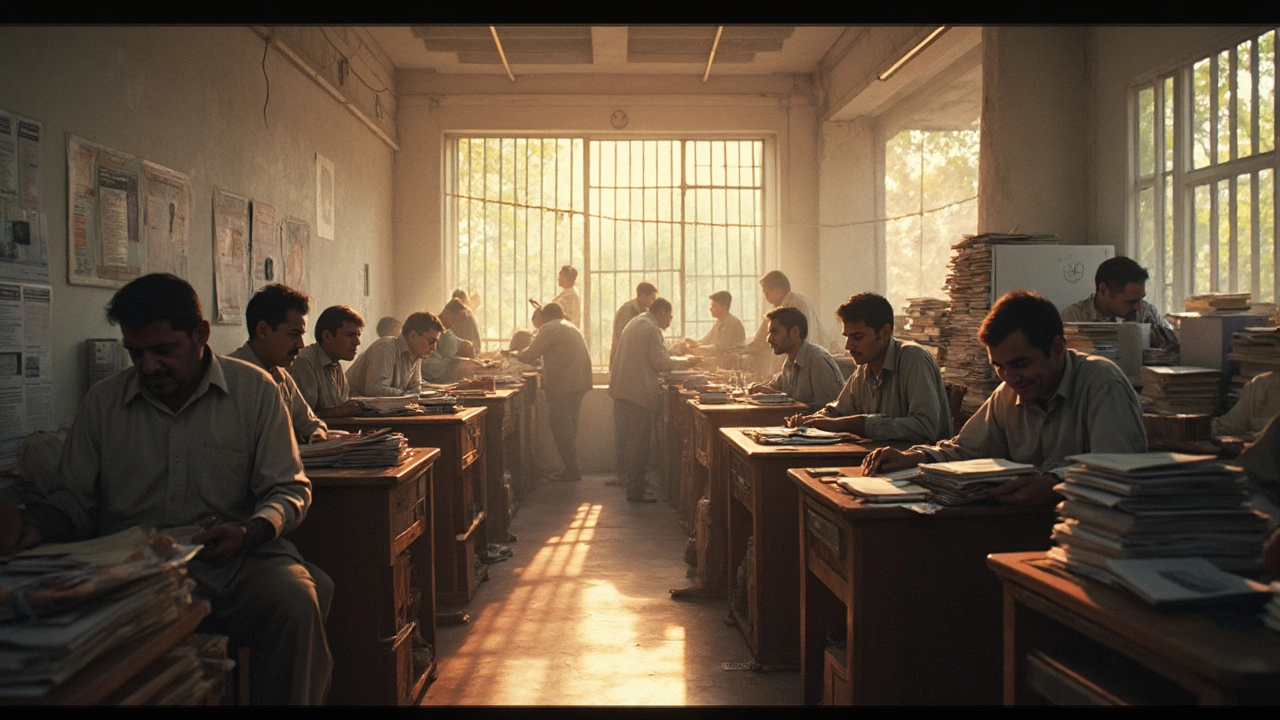
Is It Hard to Lose a Government Job? What Really Happens After You Get Hired
Ever wondered if it’s really tough to get fired from a government job? This article breaks down the myths and facts about government job security, from why these jobs seem so stable to the real situations that can lead to losing one. Get honest insights, typical reasons people get sacked, and what happens if you’re put on notice. Plus, get tips for staying secure in your government role.