Study Pressure: How It Affects Students and What You Can Do About It
When we talk about study pressure, the overwhelming stress students feel from academic expectations, exams, and societal comparisons. It’s not just about bad grades—it’s about fear of failure, family expectations, and the feeling that your entire future hangs on one test. In India, this isn’t abstract. It’s daily life for millions of teens preparing for IIT JEE, the brutal engineering entrance exam that determines access to top technical colleges, or NEET, the medical entrance exam where thousands compete for a few thousand seats. These aren’t just exams—they’re life-altering events that turn classrooms into pressure cookers.
What makes study pressure worse isn’t just the workload. It’s the silence around it. Students are told to push through, to grind harder, to ignore their anxiety. But pressure doesn’t vanish with more hours. It builds up—until sleep becomes rare, confidence crumbles, and some students feel like there’s no way out. The truth? This isn’t normal. It’s systemic. Coaching centers promise results, parents compare kids, and schools measure worth by ranks. Meanwhile, the emotional toll gets ignored. There’s no badge for surviving 12 hours of study, no certificate for not crying during mock tests. But it’s real. And it’s hurting.
It’s not all doom, though. Some students are learning to push back. They’re using free resources to study smarter, not longer. They’re finding communities online where it’s okay to say, "I’m exhausted." They’re choosing mental health over perfect scores. The posts below don’t sugarcoat this. They show real stories—from the kid who cracked JEE without coaching to the one who walked away from NEET to find a different path. You’ll see how exam pressure shapes decisions, how coaching culture adds weight, and how even the "toppers" carry invisible burdens. This isn’t about fixing the system overnight. It’s about recognizing the cost—and starting to ask better questions.
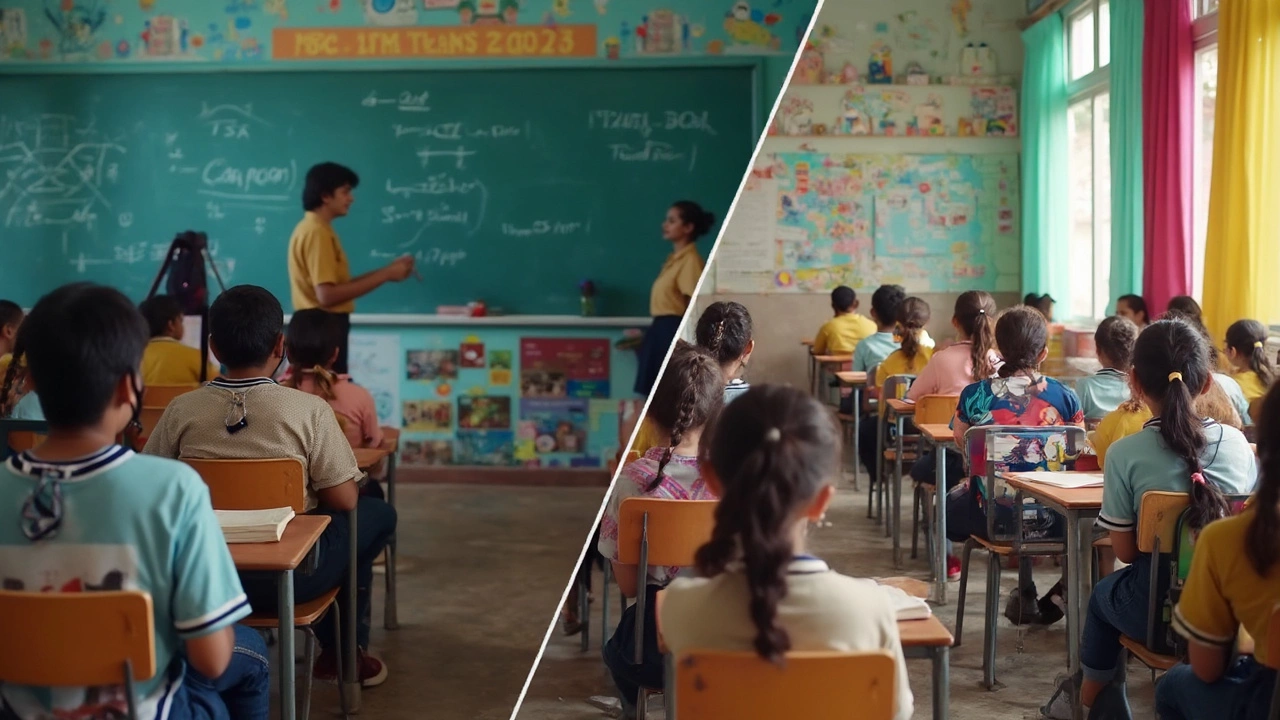
Is CBSE Harder Than American School? The Real Differences Explained
Ever wondered if the CBSE curriculum really piles on more pressure than American schools? This article breaks down the differences that actually matter: difficulty levels, exam patterns, expectations, and daily grind. You’ll get real-life examples and smart tips if you’re switching between systems. No fluff—just honest, clear info to help students and parents make sense of the hype. Think of this as your cheat sheet for understanding what sets CBSE apart from the typical US classroom. It’s everything you wish someone had told you before jumping in.