Tuition: What It Is, Who Needs It, and How It Works in Rural India
When you hear the word tuition, private, extra teaching given outside regular school hours to help students master tough subjects. Also known as private tutoring, it's often the difference between a student passing and a student thriving—especially in villages where schools lack trained teachers or proper resources. In rural India, tuition isn’t a luxury. It’s a necessity. Many village schools don’t have enough staff to cover advanced topics in physics, chemistry, or math. So families turn to local tutors, retired teachers, or even college students who offer after-school classes. These aren’t fancy academies with air conditioning—they’re often rooms in homes, community centers, or under trees, with notebooks and chalk as the only tools.
Tuition connects directly to the biggest exams that shape futures: NEET, the medical entrance exam that determines who gets into India’s medical colleges, and JEE, the engineering entrance exam that opens doors to IITs and top technical institutes. In places like Uttar Pradesh, Bihar, or Madhya Pradesh, kids spend hours after school solving problems under the guidance of a tutor who’s been through the same system. These tutors don’t always have degrees from elite colleges—they have grit, experience, and a deep understanding of what the exams actually test. And that’s what matters. Many of the top NEET and JEE toppers from rural areas didn’t start in coaching centers in Delhi or Kota. They started with a tutor down the road, working through NCERT books one chapter at a time.
It’s not just about exams. Tuition also fills gaps in language learning, especially English. For students who speak Hindi, Bhojpuri, or other regional languages at home, understanding English textbooks or speaking in class can feel impossible. Local tutors help bridge that gap—not with expensive apps or imported courses, but with simple, repeated practice. They explain grammar in the student’s own words. They role-play conversations. They turn vocabulary into stories. And slowly, confidence builds. This kind of support doesn’t show up in government reports. But it shows up in results: a girl from a village school getting into AIIMS, a boy clearing RRB NTPC with a top score, a teenager teaching himself Python because his tutor showed him where to start.
What you’ll find in the posts below isn’t a list of coaching centers. It’s a look at how real people learn—without fancy infrastructure, without big budgets, without the noise of marketing. You’ll see how self-study works alongside tuition, how free resources like YouTube and NCERT become lifelines, and why some of the most successful students never stepped into a branded coaching institute. This is tuition as it actually exists in rural India: quiet, stubborn, and powerful.
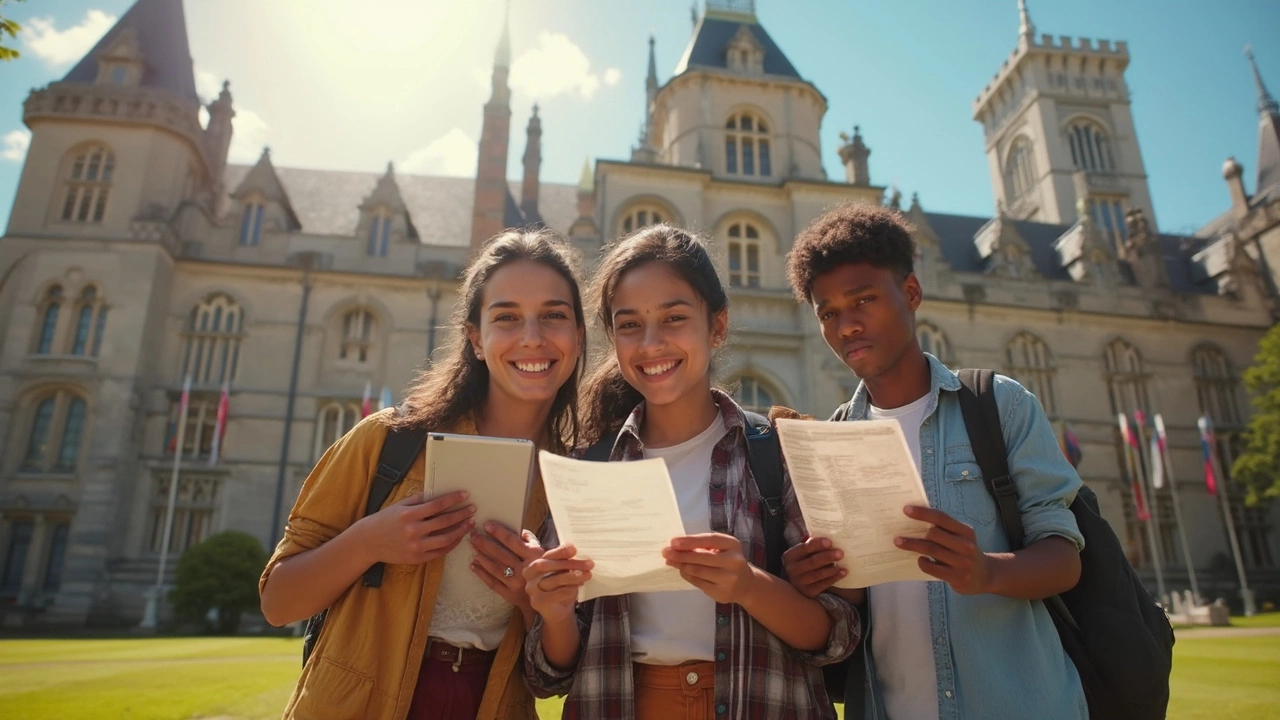
Can Americans Get Free College in Europe? What to Know Before You Pack Your Bags
Curious if Americans can skip massive student debt by earning a free degree in Europe? This article breaks down where tuition is actually free (or just cheap), what hoops you’ll need to jump through as a U.S. citizen, and which countries make things easiest. It covers language requirements, real costs beyond tuition, and tips for making your European college dream possible without drowning in paperwork. This is practical advice—no fluff, just step-by-step guidance. Ready to find out if you really can get a diploma for next to nothing?