Recent POST





Daily Coding Tracker
Track Your Consistency
How many days have you practiced coding? Just mark the days you've worked and see your progress.
Your Progress
Your Realistic Goals
With just 1 hour a day of consistent coding, here's what you can realistically achieve:
Your Daily Habit
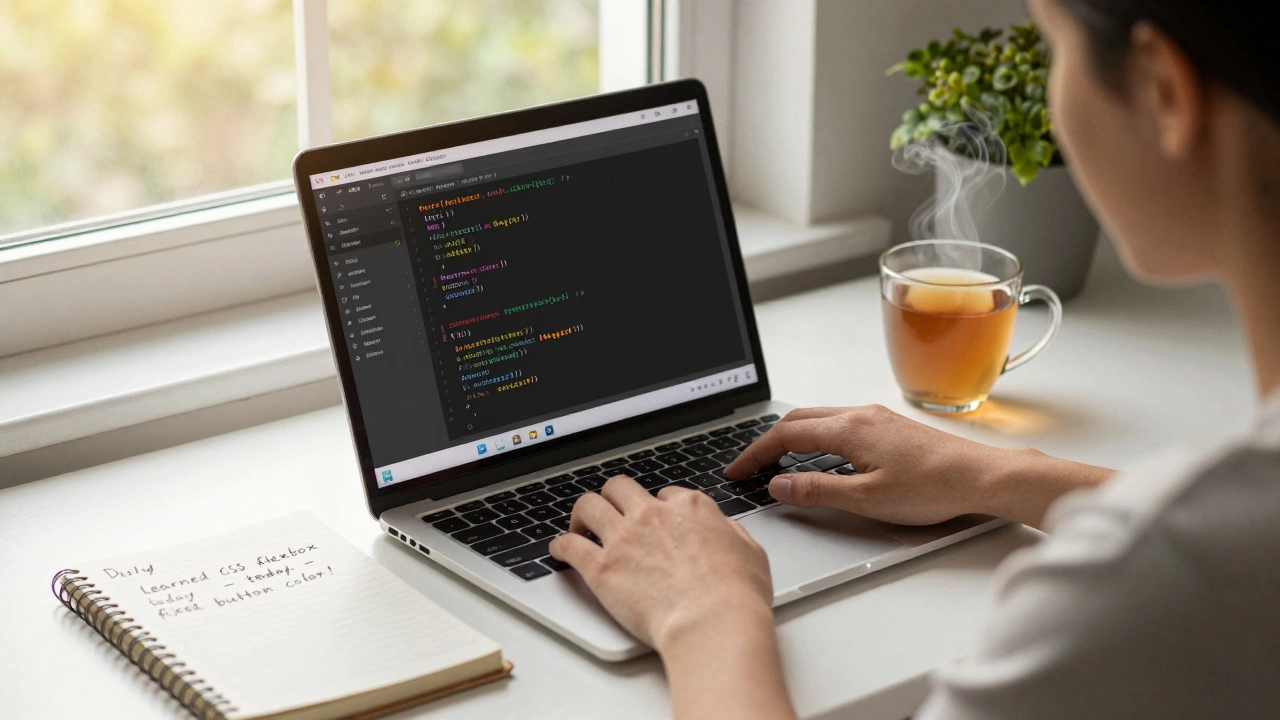
You sit down at your desk after work, open your laptop, and spend an hour typing away at a coding tutorial. You feel good. You did something for your future. But then you wonder: is 1 hour a day enough to learn coding? The answer isn’t yes or no-it’s more like, it depends.
What does "learn coding" even mean?
People say "learn coding" like it’s a single thing. But it’s not. Learning to build a simple website is different from learning to build a mobile app. Learning Python for data analysis is not the same as learning JavaScript for web development. And learning to debug code is a whole different skill than learning syntax.If your goal is to make a basic portfolio website in three months, then yes-1 hour a day is more than enough. If you want to land a junior developer job in six months, you’ll need more structure. If you’re aiming to become a software engineer at a tech company? That’s a multi-year journey, and 1 hour a day is just the starting point.
What matters most is not how long you spend, but what you do in that time.
How real people use 1 hour a day to learn coding
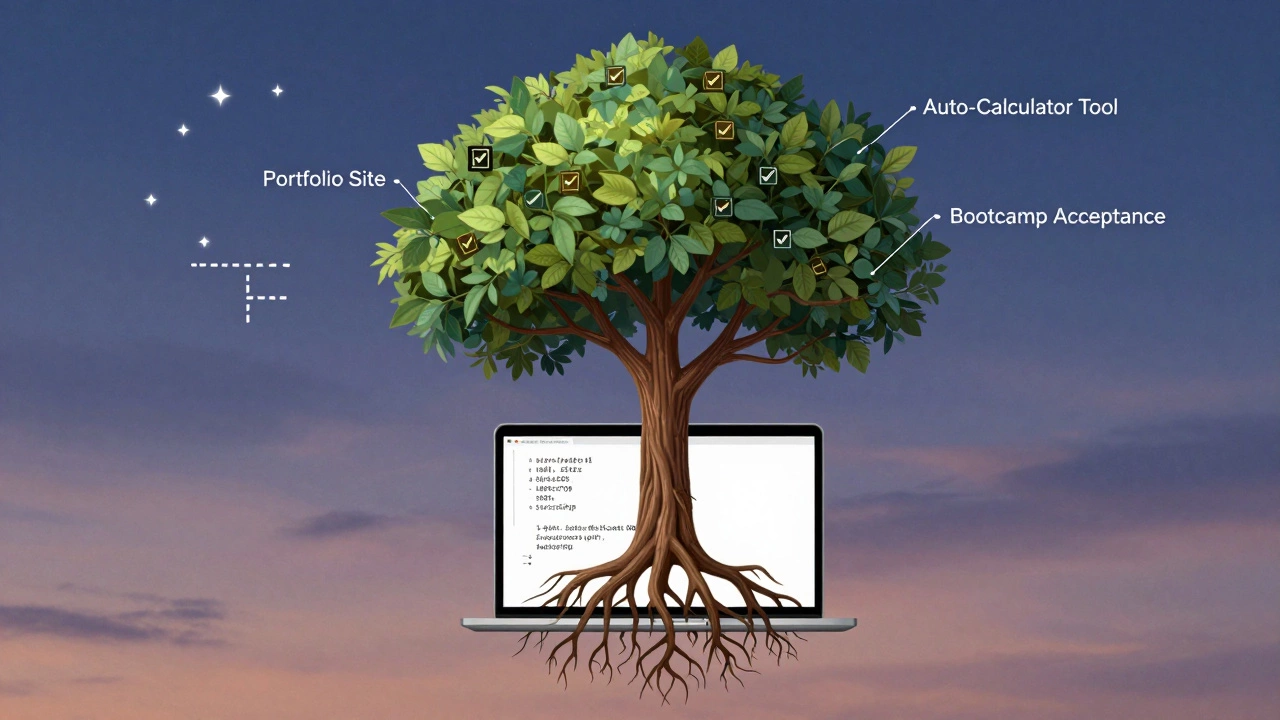
Let’s look at three people who stuck with 60 minutes a day:- Sarah, 28, retail manager: She spent 30 minutes watching a free YouTube tutorial on HTML and CSS, then 30 minutes building a personal blog. After 90 days, she had a live site with her resume, photos, and a contact form. She didn’t know what a backend was-but she could build a frontend. That got her a freelance gig.
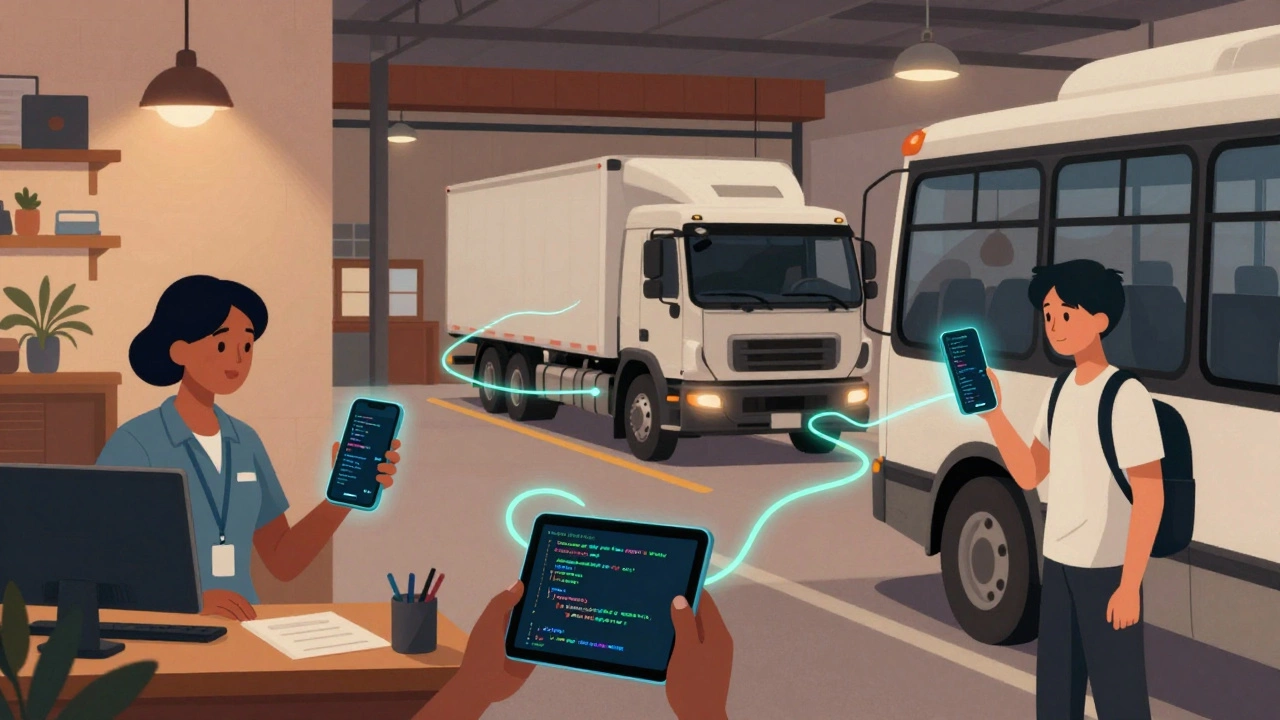
- Marcus, 35, truck driver: He coded during breaks at the depot. He used free apps like SoloLearn and practiced writing small scripts to automate his delivery logs. After 6 months, he built a simple tool that auto-calculated fuel costs. His company noticed. He got promoted to logistics coordinator.
- Leila, 19, high school student: She coded while waiting for her bus. She did one freeCodeCamp exercise every day. After 18 months, she had completed the entire frontend curriculum, built 12 projects, and got accepted into a coding bootcamp.
None of them were geniuses. None had extra time. But they showed up. Every day. No exceptions.
The magic of consistency over intensity
Most people think learning to code means cramming 5 hours on the weekend. That doesn’t work. Your brain needs repetition. It needs to forget and relearn. It needs to make mistakes and fix them-over and over.One hour a day gives you 365 hours a year. That’s more than 9 full weeks of focused time. Compare that to someone who studies 5 hours once a month-that’s only 60 hours a year. The daily person builds muscle memory. The weekend warrior forgets everything by Monday.
Studies from the University of California show that spaced repetition improves long-term retention by up to 70% compared to cramming. Coding is no different. Writing a for-loop today, then again in three days, then again in a week-that’s how it sticks.
What to do in that one hour
Not all coding time is equal. Here’s a simple plan that works:- First 15 minutes: Review - Look at what you did yesterday. Re-read your code. Fix one small bug. This reinforces memory.
- Next 25 minutes: Learn something new - Pick one concept. Don’t jump around. If you’re learning JavaScript, focus on functions this week. Next week, focus on arrays. Stick to one thing until it clicks.
- Last 20 minutes: Build something small - Not a full app. Just a button that changes color. A calculator that adds two numbers. A to-do list that saves to your browser. Tiny wins build confidence.
That’s it. No need for 10-hour marathons. No need to watch 50 tutorials. Just repeat this pattern. After 30 days, you’ll notice you’re thinking in code. After 90 days, you’ll be solving problems you didn’t think you could.
Why most people quit (and how to avoid it)
The biggest reason people give up on coding isn’t that it’s hard. It’s that they don’t see progress. They think they should be building apps like Instagram by month two. They get stuck on an error message for hours. They compare themselves to YouTube stars who’ve been coding for 10 years.Here’s the truth: you won’t feel like a coder for months. That’s normal. The first time you write a working program, it’s not going to be pretty. It’s going to be messy. And that’s okay.
Track your progress in a simple notebook or a Notion doc. Write down:
- What you learned today
- One thing that confused you
- One small win (even "I fixed a typo and it worked")
After 30 days, flip back. You’ll be shocked at how far you’ve come.
What you can realistically achieve in 6 months
If you stick with 1 hour a day, six months from now you’ll be able to:- Build a responsive website from scratch using HTML, CSS, and JavaScript
- Connect a simple form to a database using Python or Node.js
- Understand basic algorithms like sorting and searching
- Debug your own code without Google-ing every error
- Read documentation and follow tutorials without getting lost
You won’t be ready for a senior role. But you’ll be ready to apply for junior positions, freelance gigs, or internal tech roles in your current job. You’ll have something to show. Not just certificates. Real projects.
When 1 hour a day isn’t enough
There are times when you need more. If you’re switching careers and need a job in 6 months, 1 hour might not cut it. If you’re preparing for a coding bootcamp that expects 20+ hours a week, you’ll need to ramp up. If you’re trying to master a complex language like C++ or Rust, you might need deeper dives.But even then, 1 hour a day is the foundation. Use it to stay connected to the material. Then add extra time on weekends if you can. Don’t try to go from zero to 10 hours overnight. Start small. Build the habit. Then scale.
The biggest myth about learning to code
The myth is that you need to be "good at math" or "a genius" to code. That’s false. You need patience. You need curiosity. You need the willingness to be wrong a lot.Most professional developers spend 80% of their time reading code, debugging, and asking questions. Not writing perfect code from scratch. If you can Google an error and understand the answer, you’re already ahead of 90% of people who think they "can’t code."
You don’t need to know everything. You just need to know how to find out.
Final answer: Yes, but only if you do it right
One hour a day is absolutely enough to learn coding-if you’re consistent, focused, and patient. It’s not about speed. It’s about showing up. It’s about building the habit before you build the app.Start today. Write one line of code. Then come back tomorrow. And the next day. And the day after that. In six months, you won’t recognize the person you were.
Can I learn to code in 1 hour a day without any prior experience?
Yes. Many people start coding with zero experience and build real skills using just 60 minutes a day. The key is consistency-not intensity. Use free resources like freeCodeCamp, The Odin Project, or Codecademy’s free tier. Focus on one language and one project type at a time. Don’t jump between tutorials. Stick with it for 90 days, and you’ll see progress.
What’s the best programming language to start with if I only have 1 hour a day?
Start with JavaScript if you want to build websites. Start with Python if you want to analyze data, automate tasks, or move into AI later. Both are beginner-friendly, have huge communities, and offer free learning paths. Avoid Java or C++ at first-they’re powerful but require more setup and abstract thinking. Stick with what gives you quick wins.
How long until I can get a job with 1 hour a day of coding?
It usually takes 6 to 12 months of consistent daily practice to land an entry-level job. You’ll need a portfolio of 5-8 real projects, not just tutorials. Employers care more about what you’ve built than how many hours you’ve logged. Build something useful-like a tool that solves a problem you have-and you’ll stand out.
What if I miss a day? Am I behind?
Missing one day doesn’t ruin your progress. What ruins progress is quitting after missing a day. Life happens. If you miss a day, just come back the next. Don’t try to "make up" for it by coding for 3 hours. That leads to burnout. The goal is to make coding a habit, not a chore.
Do I need a degree or certificate to prove I can code?
No. Most tech companies now hire based on skills, not degrees. A GitHub profile with clean, working projects matters more than a certificate. If you build a real app-even a simple one-and can explain how it works, you’ve already passed the test. Certificates help if you’re applying to formal programs, but they’re not required.