Coding: Learn to Code on Your Own Without Classes or Degrees
When you hear the word coding, the process of writing instructions for computers using programming languages. Also known as programming, it's what powers everything from apps to websites to the tools you use every day. You don’t need a college degree to do it. Thousands of people start from zero, learn on their own, and land real tech jobs—no classroom required.
What most people don’t tell you is that self-taught coders, people who learn programming without formal education are now the norm, not the exception. Companies care more about what you can build than where you went to school. If you can show a working app, fix a bug, or automate a task, you’ve already passed the test. And it’s not just about fancy languages—it’s about programming for beginners, the first steps anyone takes when learning how to write code. Most start with Python or JavaScript because they’re simple, powerful, and give quick results. You don’t need to be a math genius either. Basic arithmetic and logic are enough for most jobs. Advanced math? Only needed if you’re building AI models or video games—most web and mobile devs never touch it.
And yes, it pays. coding salary, how much people earn for writing code varies by location, experience, and specialty, but even entry-level remote jobs in India can pay far more than traditional local jobs. The real secret? It’s not about memorizing syntax. It’s about solving problems, staying curious, and building things—even small ones—over and over. Every coder who made it started exactly where you are: unsure, overwhelmed, wondering if they could even do it. They didn’t wait for permission. They didn’t wait for a class. They just started.
Below, you’ll find real stories, honest advice, and straight-to-the-point guides on everything from picking your first language to understanding what hardware you actually need, how much certifications cost (or don’t), and whether coding ever gets easier. No fluff. No hype. Just what works for people like you who want to learn, build, and move forward—on their own terms.

What is the Hardest Thing to Learn in Coding? A Real Talk Guide
Struggling with coding? It's rarely the syntax. Discover why algorithmic thinking, debugging, and system design are the true hurdles, plus tips to master them.

Best Coding Language for Beginners: Python vs JavaScript vs Java
Confused about which coding language to learn first? We break down Python, JavaScript, Java, and C# to help you choose the best fit for your goals in 2026.

Is Coding Hard to Learn? A Realistic Guide for Beginners in 2026
Is coding hard to learn? We debunk myths, explain the real challenges, and provide a realistic roadmap for beginners in 2026 using modern tools and effective strategies.

How Much Money Do You Get for Coding? Real Salaries vs. Class Costs
Discover real coding salaries in 2026. We break down entry-level pay, bootcamp costs, and long-term earnings to help you decide if learning to code is a smart financial move.

How Fast Can You Learn to Code? Realistic Timelines and Strategies
Discover realistic timelines for learning to code. From beginner basics to job-ready skills, this guide breaks down how fast you can truly learn programming and what strategies work best.

Are Coders Still in Demand? The Real State of the Tech Job Market in 2026
Explore whether coders are still in demand in 2026. We analyze the impact of AI on tech jobs, the shift from syntax to strategy, and how to prepare for a future-proof career in software development.

Java vs Python Salary: Which Programming Language Pays More in 2026?
Comparing Java vs Python salaries in 2026. We break down earnings by industry, experience level, and job stability to help you decide which coding class offers the best ROI for your career.
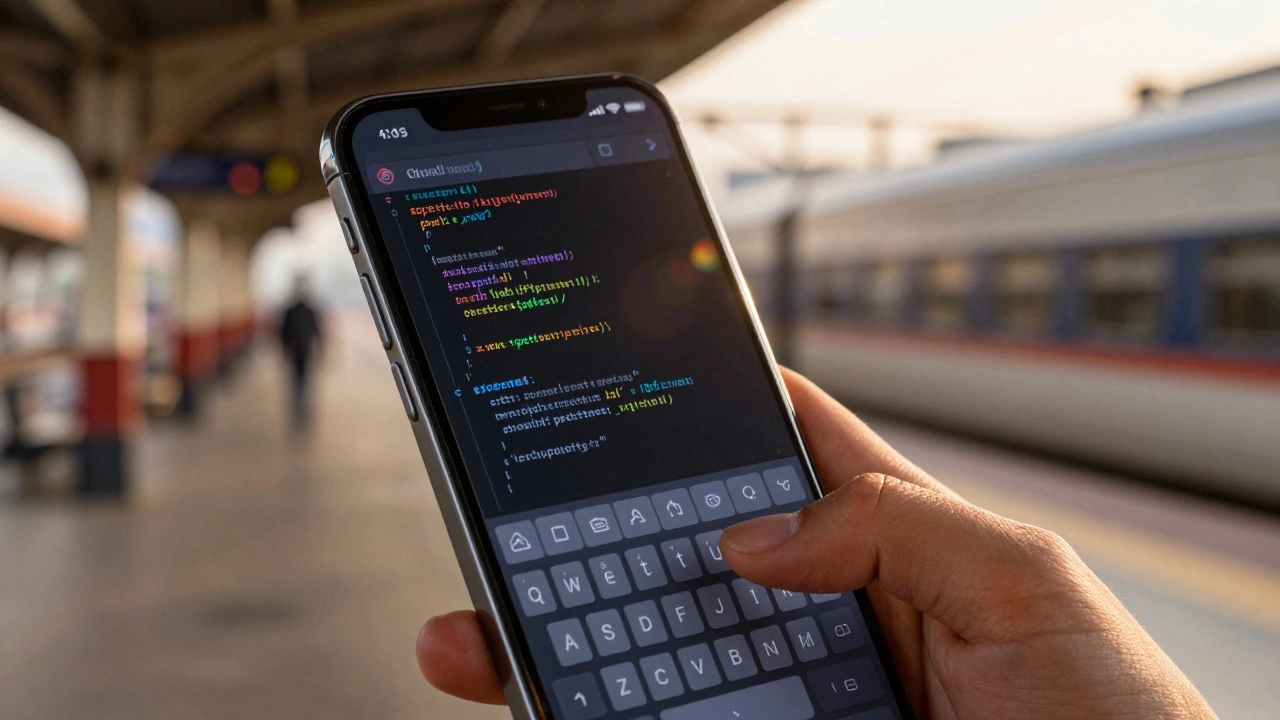
Can We Code With Phone? A Practical Guide to Mobile Development in 2026
Discover how to code on your smartphone in 2026. We review the best mobile IDEs like Replit and Pydroid 3, share tips for overcoming keyboard limitations, and explain when mobile coding is actually practical for developers.
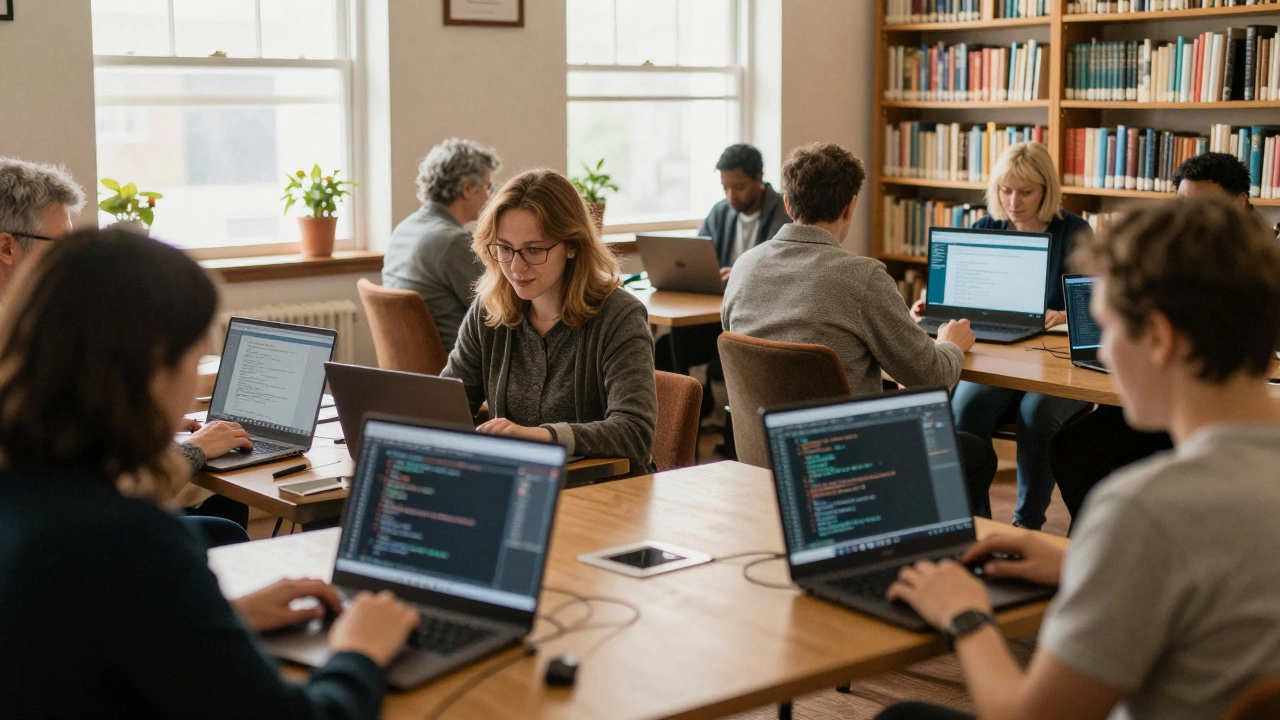
Is 50 too old to learn coding? Real stories from people who started late
Is 50 too old to learn coding? Real stories show it’s never too late. Learn how people over 50 are using coding to solve real problems, not just chase careers.
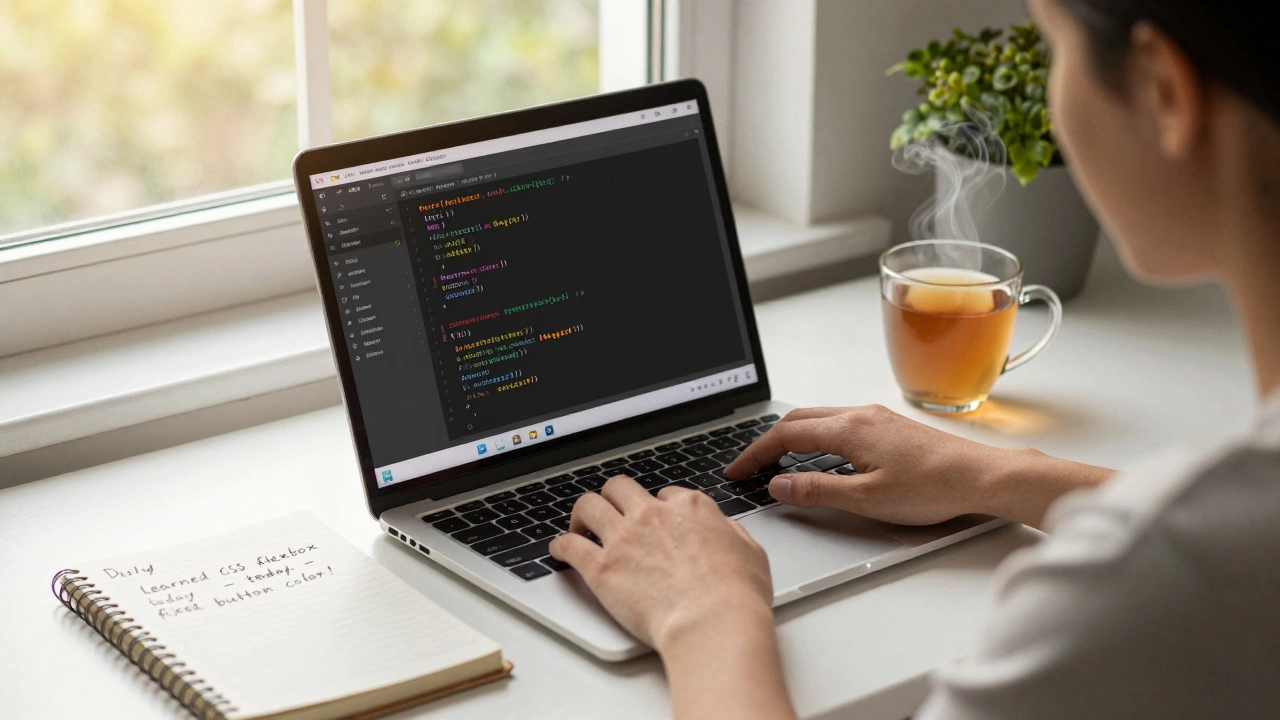
Is 1 Hour a Day Enough to Learn Coding?
One hour a day is enough to learn coding if you're consistent. Real people have built websites, automated tasks, and landed jobs using just 60 minutes daily. Focus on practice, not hours.

Can I Code on My Own? The Real Way to Learn Programming Without Classes
You don't need classes to learn coding. Learn how to build real projects alone, avoid common mistakes, and turn your first lines of code into real skills-with free tools and real strategies.
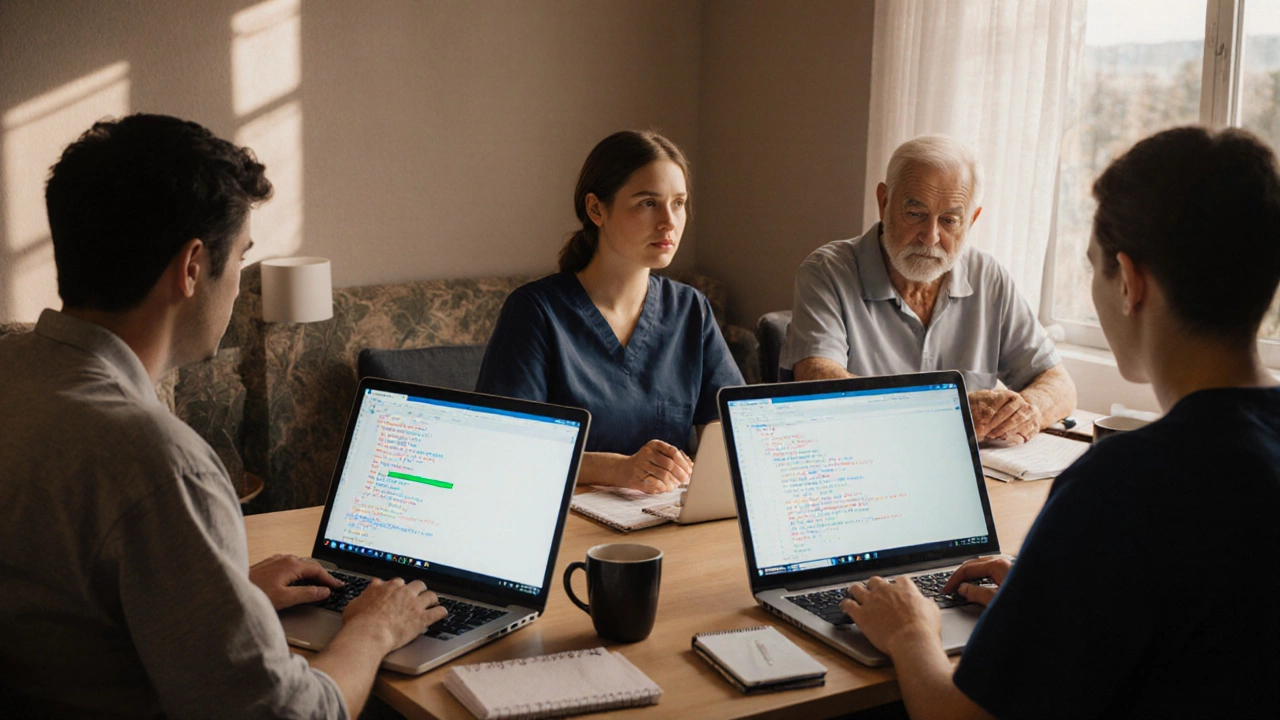
Can I Teach Myself to Code? Here’s How Real People Do It
Yes, you can teach yourself to code - no degree needed. Learn how real people start from zero, use free resources, build real projects, and land their first tech job without formal training.