Beginner Programming Languages: What to Learn First and Why
When you’re starting out, beginner programming languages, simple, readable coding systems designed for people with no prior experience. Also known as entry-level languages, they’re the first step to building apps, automating tasks, or switching careers—without a computer science degree. You don’t need to memorize syntax or understand compilers. You just need a language that lets you see results fast. That’s why Python, a high-level language known for its clean, English-like syntax and wide use in web development, data, and automation tops the list for most beginners. It’s not just popular—it’s practical. People over 50 use it to land jobs. Teachers use it to grade papers faster. Small business owners use it to track sales. And you don’t need a classroom to learn it.
Other beginner-friendly languages like JavaScript, the language that makes websites interactive, used by millions to build buttons, forms, and animations, are great if you want to work on websites. But if you’re not sure what you want to build yet, Python gives you more options. It works for data, AI, games, even school projects. HTML, a markup language, not a programming language, used to structure web pages, is another starting point for web design—but it’s not coding in the traditional sense. You’ll need something like Python or JavaScript to make things move, calculate, or respond.
What makes a language good for beginners isn’t just how easy it looks—it’s what you can do with it after a week. Can you write a script that renames 100 files? Can you build a quiz that checks your answers? Can you pull data from a spreadsheet and turn it into a chart? Python lets you do all that with under 20 lines of code. And because so many real people—teachers, farmers, retirees—have used it to change their lives, there are endless free guides, forums, and tools waiting for you. You don’t need to be young. You don’t need to be rich. You just need to start.
The posts below show how real people learned to code alone, picked the right language for their goals, and turned simple scripts into real opportunities. Whether you’re 16 or 60, whether you want to automate chores or switch careers, you’ll find stories that match your situation. No fluff. No hype. Just what works.
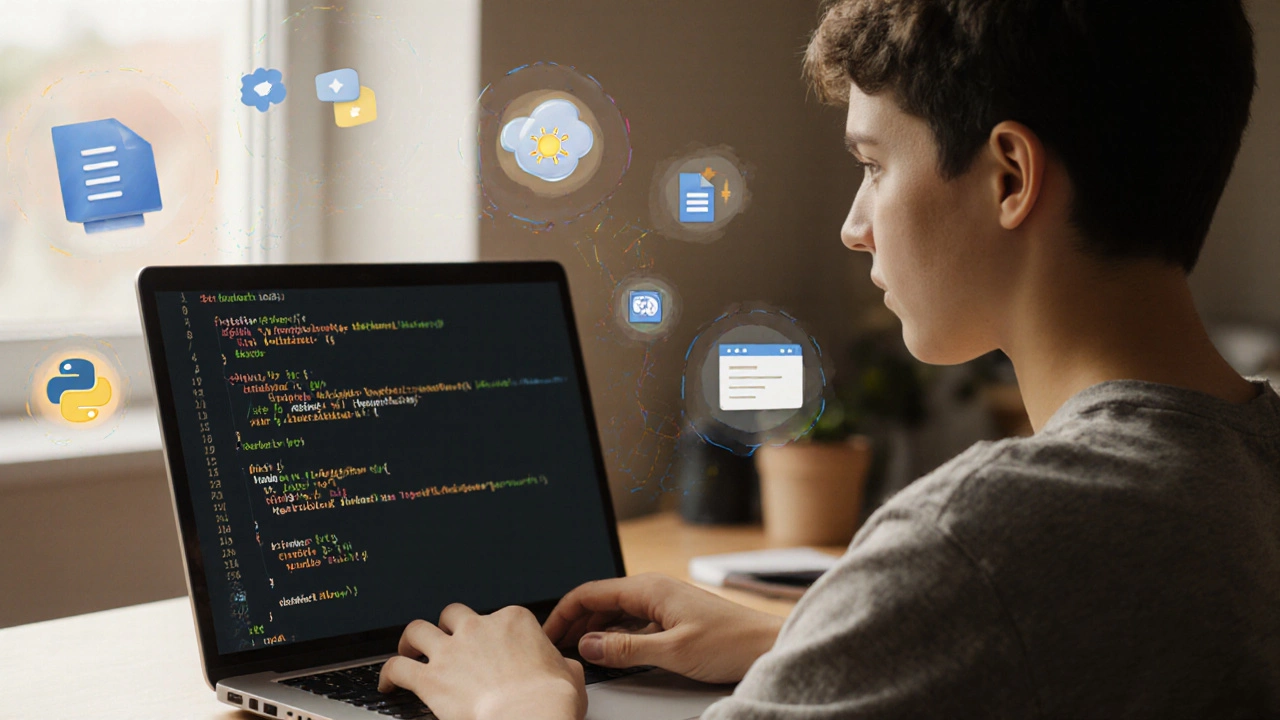
What code should I learn first? Best starting languages for beginners in 2025
Learn which programming language to start with in 2025. Python and JavaScript are the best choices for beginners who want quick results and real projects. No degree needed.