Coding Difficulty: Why Some Learn Fast and Others Struggle — And How to Beat It
When people talk about coding difficulty, the perceived challenge of learning programming languages and solving logical problems. Also known as programming hurdles, it's not about being born with a special talent—it's about how you start, what you practice, and whether you keep going when it feels impossible. Many think coding is for geniuses or 20-year-olds in tech hubs. But real life? It’s for anyone willing to sit down, make mistakes, and try again. The hardest part isn’t the syntax—it’s the fear of not getting it right the first time.
What makes coding difficulty, the perceived challenge of learning programming languages and solving logical problems. Also known as programming hurdles, it's not about being born with a special talent—it's about how you start, what you practice, and whether you keep going when it feels impossible. feel worse for some? It’s often because they’re told to jump into complex projects too soon. Learning Python, a beginner-friendly programming language used for web development, data analysis, and automation. Also known as Python programming, it's one of the most accessible languages for newcomers. or JavaScript, a scripting language used to make websites interactive and dynamic. Also known as JS, it powers nearly every website you visit. shouldn’t mean memorizing algorithms on day one. It means building something small, seeing it work, and feeling the win. That’s how real learners stay motivated—not by reading textbooks, but by fixing their own broken code and watching it come alive.
The biggest myth? That you need a degree, a bootcamp, or a mentor to get started. The truth? Thousands of people taught themselves to code alone—some in their 40s, 50s, even 60s. They didn’t wait for permission. They used free tools, followed simple tutorials, and focused on one project at a time. self-taught coder, a person who learns programming without formal education, relying on online resources and hands-on practice. Also known as autodidact programmer, this path is more common than you think. They failed. They got stuck. But they didn’t quit. And that’s the secret: persistence beats perfection.
Here’s what you’ll find in the posts below: real stories from people who thought they were too old, too busy, or too confused to learn coding—and then did it anyway. You’ll see which languages actually make sense to start with, how to avoid wasting time on the wrong resources, and why some exams and career paths feel harder than others—not because they are, but because they’re taught poorly. Whether you’re wondering if you can code on your own, if Python at 50 is possible, or why some jobs need coding while others don’t, the answers aren’t in fancy courses. They’re in what people actually did, one line of code at a time.
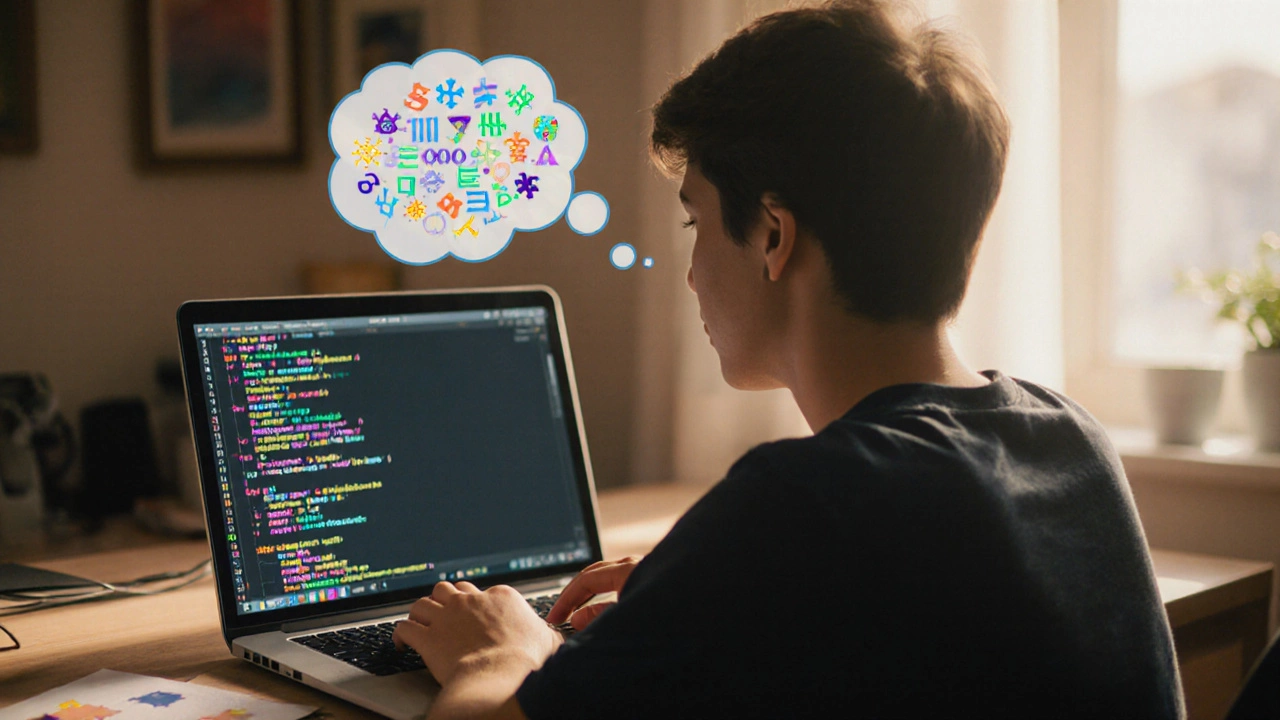
Is Coding Difficult for Beginners? Answers and Practical Tips
Explore why coding feels tough for beginners, uncover common hurdles, and get practical tips to make learning programming smoother.