LMS: What It Is and How It’s Changing Rural Education in India
When you hear LMS, a learning management system is a digital platform that helps teachers deliver lessons, track progress, and manage assignments online. Also known as a learning platform, it’s not just about video lectures—it’s the backbone of modern distance education, especially in places where schools lack trained teachers or stable infrastructure. In rural India, where students might travel hours to reach the nearest school, an LMS brings the classroom to their phone or tablet. It’s not magic, but it’s close: a single device can hold hundreds of lessons, quizzes, and even live sessions—something that used to require dozens of textbooks and a full-time teacher.
An LMS doesn’t replace teachers, but it supports them. A village school with one teacher handling five grades can use an LMS to assign grade-specific lessons while they work with another group. Tools like distance education, a system where learners and instructors are physically separated and use technology to bridge the gap have been around for decades, but today’s LMS adds real-time feedback, progress tracking, and even AI-powered hints. For students preparing for NEET or JEE, an LMS can offer targeted practice tests based on their weak areas. For adults learning to code or improve their English, it gives structure to self-paced learning—no classroom needed.
It’s not just about access. It’s about control. With an LMS, a student in Lakhanpur can review a biology lesson three times before a test. A teacher can see who’s falling behind without waiting for exam results. And for government programs trying to scale education across thousands of villages, an LMS cuts costs and standardizes quality. You’ll find posts here that show how someone taught themselves Python using free LMS tools, how CBSE schools are starting to integrate LMS into daily lessons, and why even the simplest tablet can become a powerful learning device in the right hands.
What you’ll find below aren’t just articles about technology—they’re real stories of students and teachers using LMS to overcome gaps in India’s rural education system. From zero-cost platforms to step-by-step guides on setting up a learning hub in a village school, these posts show what’s possible when the right tools meet the right motivation. No hype. No theory. Just what works.
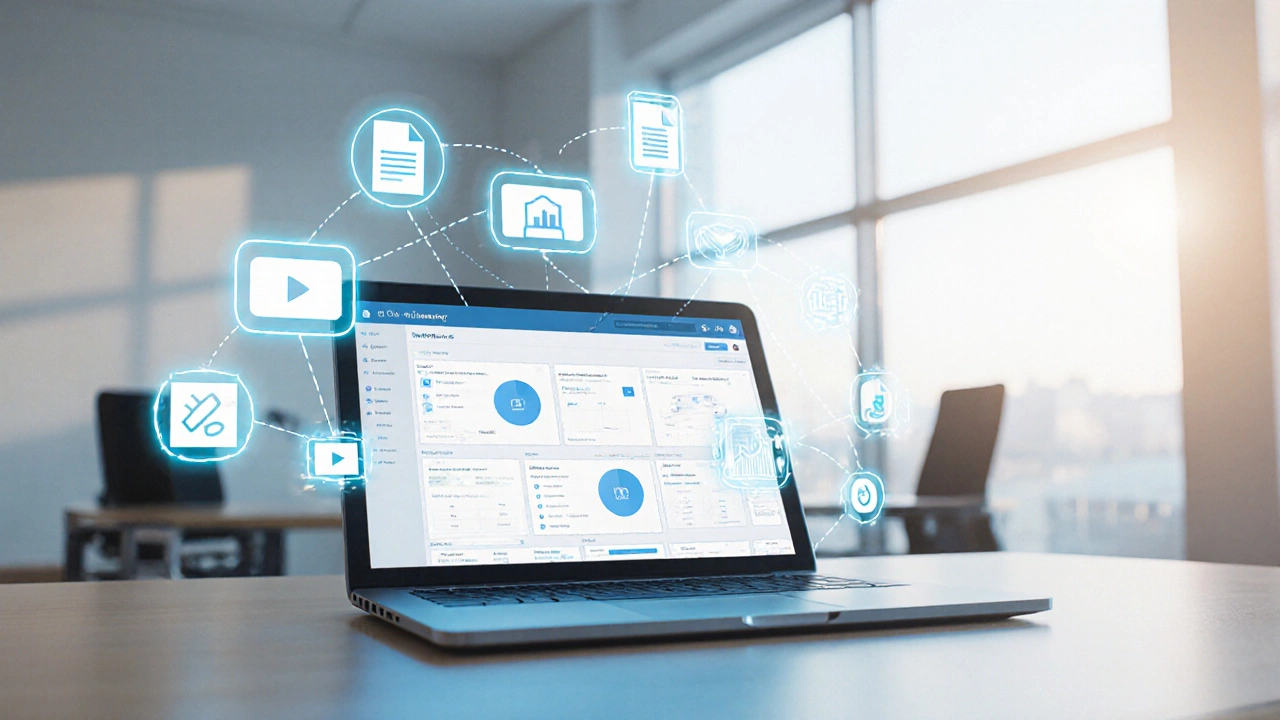
The 3 Main Types of E‑Learning Platforms Explained
Explore the three main types of e‑learning platforms-LMS, MOOC, and virtual classroom-learn their key features, pricing, and how to choose the right fit for your needs.
SCORM Explained: What It Means and Why It Matters for e‑Learning
Learn what SCORM means, how it works, why it's still vital for e‑learning, and how to create a SCORM package step‑by‑step.