Python jobs for beginners: Real roles, how to start, and what you need
When you hear Python, a simple, readable programming language used for web development, data analysis, automation, and more. Also known as Python programming, it’s one of the most beginner-friendly languages out there—and one of the most in-demand for entry-level tech jobs. You don’t need a computer science degree to land one. Companies from small startups to big banks are hiring people who can write basic Python scripts to automate boring tasks, clean data, or build simple tools. It’s not magic. It’s just practical code that solves real problems.
Most Python jobs for beginners, roles like junior data analyst, automation assistant, or entry-level web developer. Also known as entry-level coding roles, they focus on using Python to make work easier—not building AI systems from scratch. You’ll often see these jobs asking for skills like reading and writing basic loops, using libraries like Pandas or Requests, and understanding how to work with files or APIs. That’s it. No PhD required. Many people start by learning Python on their own, building small projects like a to-do list app, a weather checker, or a script that renames 100 files in seconds. These aren’t fancy projects—they’re proof you can get things done.
What makes Python different from other languages is how fast you can go from zero to useful. You can learn enough in a few weeks to start applying for jobs that pay ₹3-6 lakhs a year in India. Compare that to waiting three years for a degree. And you don’t need expensive courses. Free resources like YouTube tutorials, freeCodeCamp, and the official Python documentation get people hired every day. The key isn’t memorizing syntax—it’s building something, even if it’s small, and being able to explain how it works.
Some of the most common places hiring Python beginners are in data entry automation, digital marketing tools, education tech, and government digitization projects. Think of a school that needs a script to auto-generate report cards, or a small business that wants to pull sales data from spreadsheets into a dashboard. These aren’t glamorous roles, but they’re real, they pay, and they’re growing fast. You’ll find them listed as "Junior Python Developer," "Data Processing Assistant," or even "Tech Support with Coding Skills."
What employers care about isn’t your college or certifications—it’s whether you can show them you’ve done something. A GitHub repo with three clean scripts beats a certificate from a paid course every time. And if you can explain how you fixed a problem with code, even if it was just a simple one, you’re already ahead of most applicants.
There’s no single path to a Python job. Some people learn from books. Others watch videos while commuting. A few even teach themselves while working part-time jobs. The common thread? They started small, stayed consistent, and didn’t wait for permission to begin. You don’t need to be the smartest person in the room. You just need to keep typing.
Below, you’ll find real stories, practical guides, and step-by-step plans from people who went from zero coding experience to getting hired with Python. No fluff. No hype. Just what actually works.
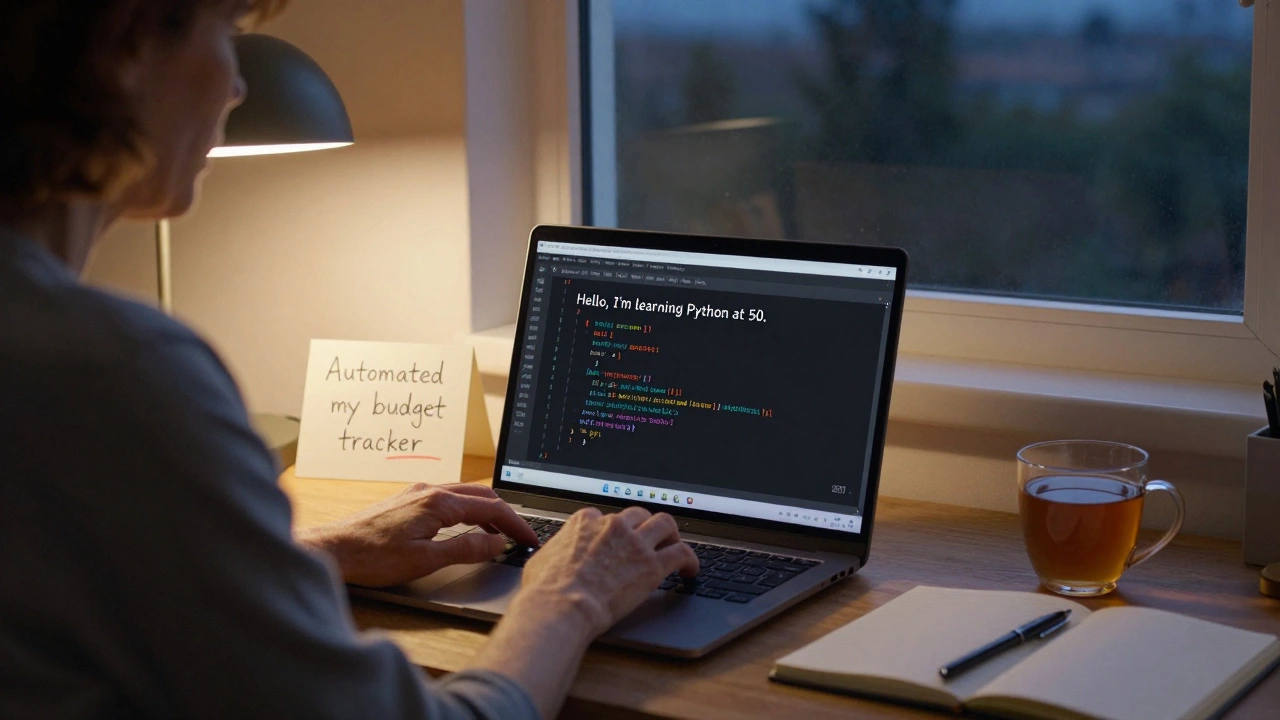
Can I Learn Python at 50 and Get a Job? Yes, Here’s How
Yes, you can learn Python at 50 and land a job. Real stories, practical steps, and what employers actually want-no fluff, no ageism, just results.