Recent POST

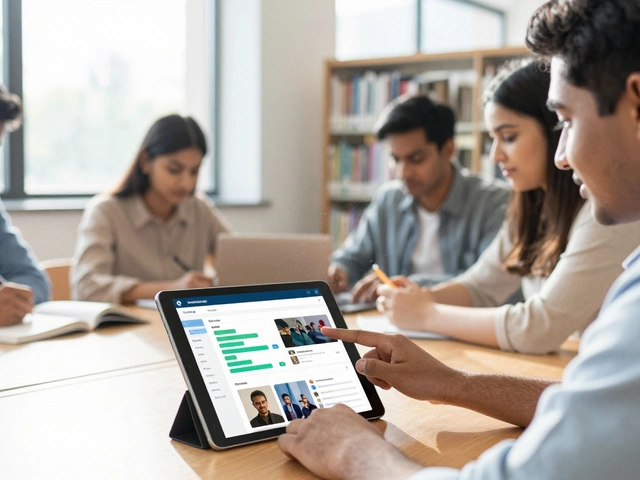




🎓 MBA Admissions Fit Finder (2026)
Admission Probability Estimate
Based on current 2026 trends for accessible programs:
Eligibility Verdict
You meet the core requirements for most test-optional programs.
| School | Location | Acceptance Rate | Est. Cost | Fit Reason |
|---|
Most people assume that getting an MBA is a brutal process reserved for top-tier applicants with perfect GMAT scores and decades of executive experience. But the reality? The MBA landscape is massive, and there are plenty of programs where admission is significantly more accessible.
If you're looking for the "easiest" path, you're likely prioritizing one of three things: high acceptance rates, flexible entry requirements (like no GMAT), or lower tuition costs. This guide breaks down which schools fit those criteria and what it actually takes to get accepted in 2026.
What Does "Easiest" Actually Mean?
Before we name names, let's define what makes an MBA program easier to enter. It usually comes down to three metrics:
- Acceptance Rate: Schools with rates above 70-80% have less competition per spot.
- Prerequisites: Programs that waive the GMAT/GRE or accept work experience in lieu of standardized tests lower the barrier to entry.
- Format: Online and part-time programs often have rolling admissions, meaning you can apply whenever you're ready rather than waiting for a strict deadline cycle.
Note that "easy" doesn't mean "low quality." Many of these schools offer strong regional networks, practical curricula, and recognized degrees from accredited institutions.
Top Schools with High Acceptance Rates
Based on recent data from the Association to Advance Collegiate Schools of Business (AACSB) and university reports, here are some of the most accessible MBA programs in the US and globally. These schools typically admit 75% or more of their applicants.
| School Name | Location | Typical Acceptance Rate | GMAT Requirement | Key Advantage |
|---|---|---|---|---|
| Grand Canyon University | Phoenix, AZ | ~90% | Optional/Waived | Fast completion, low cost |
| Liberty University | Burke, VA | ~85% | Optional | Online flexibility, faith-based option |
| University of Arizona Global Campus | Tucson, AZ | ~80% | Waived for many | No application fee, quick start |
| DePaul University | Chicago, IL | ~75% | Optional | Strong Chicago network, part-time options |
| Western Governors University | Salt Lake City, UT | N/A (Competency-based) | Not Required | Pay by term, not credit; self-paced |
Grand Canyon University is frequently cited as one of the easiest to enter because they prioritize enrollment volume and offer multiple start dates throughout the year. Their online MBA program allows students to finish in as little as 14 months if they take a heavy course load.
Western Governors University operates differently. Instead of traditional credits, they use a competency-based model. You pay a flat fee every six months and complete as many courses as you can. If you already have industry knowledge, you can test out of classes, making the path faster and potentially cheaper for experienced professionals.
The No-GMAT Route: How to Bypass Standardized Tests
For many working professionals, the biggest hurdle isn't the coursework-it's studying for the GMAT. Fortunately, over 500 AACSB-accredited schools now offer "test-optional" or "no-GMAT" policies.
How does this work? Most of these schools will waive the test requirement if you meet one of the following criteria:
- You have at least 3-5 years of progressive work experience.
- Your undergraduate GPA is 3.0 or higher.
- You hold a specific professional certification (like PMP or CPA).
This shift has democratized access to business education. For example, DePaul University in Chicago actively markets its no-GMAT policy to mid-career managers who want to advance locally without pausing their careers for exam prep.
Online vs. On-Campus: Which Is Easier to Get Into?
Generally speaking, online MBA programs have higher acceptance rates than their on-campus counterparts. Why? Because they serve a broader, geographically dispersed audience. An on-campus program in New York City might only accept students who can relocate or commute, whereas an online program accepts anyone with internet access.
However, "easier admission" doesn't always mean "easier degree." Online programs require strong self-discipline. You don't have professors hovering over your shoulder. You need to manage deadlines, participate in virtual discussions, and balance study time with your job. If you thrive in structured environments, an on-campus program at a mid-tier school might feel less stressful academically, even if admission was slightly harder.
International Options for Easier Admission
If you're outside the US, the rules change. In Europe and Asia, many business schools use a different admission framework. They often rely heavily on interview performance and work experience rather than standardized tests like the GMAT.
- Europe: Schools in Germany and France often have open admissions for international students if language requirements (English or local language) are met. Look into dual-degree programs that partner with US universities for global recognition.
- Asia: In countries like India and Singapore, private business schools may have lower entry barriers compared to top IIMs or NUS, but they still maintain rigorous academic standards. Always check for accreditation bodies like AACSB or EQUIS to ensure the degree holds value back home.
Always verify that the school is accredited by a recognized body. A cheap, easy-to-get degree from an unaccredited institution won't help your career and might even hurt it.

Common Mistakes Applicants Make
Even when aiming for accessible programs, applicants often stumble. Here’s how to avoid the pitfalls:
- Ignoring Accreditation: Just because a school is "easy" to get into doesn't mean it's legitimate. Check for accreditation by AACSB, AMBA, or the relevant national body.
- Underestimating Workload: Easy admission ≠ easy graduation. Ensure you have the time to commit to the program. Burnout is the #1 reason students drop out of part-time MBAs.
- Skipping the Application Fee Waiver: Many online schools offer fee waivers for veterans, first-gen students, or employees of partner companies. Always ask the admissions office.
Is an "Easy" MBA Worth It?
It depends on your goal. If you need the credential to cross a hiring threshold, promote internally, or switch industries, a reputable, accessible MBA is a solid investment. The ROI comes from the network and the title, not just the prestige of the school name.
However, if you're aiming for investment banking or elite consulting firms, the "easiest" schools might not carry enough weight. In that case, you might need to look at mid-tier schools with stronger brand recognition, even if the admission process is tougher.
Ultimately, the best MBA is the one you can finish. A completed degree from an accessible program beats an unfinished one from a prestigious one every single time.
Do easy MBA programs require a GMAT score?
Most do not. Many accessible MBA programs offer test-optional policies, waiving the GMAT if you have significant work experience or a strong undergraduate GPA. Always check the specific school's current policy, as requirements can change year to year.
How long does it take to complete an easy MBA?
Standard full-time programs take two years. Part-time and online programs typically range from 18 months to three years, depending on your pace. Competency-based programs like Western Governors University can be faster if you test out of courses.
Are online MBAs respected by employers?
Yes, especially from accredited institutions. The stigma against online learning has largely faded. Employers now focus on the accreditation and the skills you demonstrate, not just the delivery method. Top tech companies and Fortune 500 firms actively recruit from online MBA cohorts.
What is the average cost of an accessible MBA?
Costs vary widely. Public universities and online-only institutions can range from $15,000 to $30,000 total. Private universities tend to be higher, averaging $40,000 to $60,000. Always calculate the total cost including fees and books before applying.
Can I get an MBA without a business background?
Absolutely. Most MBA programs welcome non-business majors. Some schools offer "pre-MBA" bridge courses to help you catch up on accounting and finance basics, while others simply expect you to learn on the fly during the first semester.