Recent POST


Digital Platform Knowledge Quiz
How Well Do You Know the Tech Behind Streaming?
This interactive quiz explores the distinction between simple websites and complex digital platforms like Netflix. It covers network effects, infrastructure, and how these models are transforming education.
Quiz Complete!
0/5
You have a basic understanding of digital platforms.
You probably think of Netflix as that app you open when you’re too tired to cook or too lazy to go to the movies. But if you look under the hood, it’s way more than just a video player. It is a massive, complex digital platform that processes billions of data points every single day. The question isn’t really "is it a platform?" but rather "what kind of platform is it?" and why does that distinction matter for how we learn and consume media today?
Think about your last binge-watching session. Did you notice how quickly the next episode started? Or how the recommendations felt eerily accurate? That wasn’t magic. It was engineering. A digital platform differs from a simple website because it creates value by facilitating interactions between producers (studios) and consumers (you). Netflix doesn’t just host files; it orchestrates a global ecosystem. This article breaks down exactly what makes Netflix a digital platform, how it compares to other tech giants, and why this matters even if you’re looking at e-learning platforms.
What Actually Makes Something a "Digital Platform"?
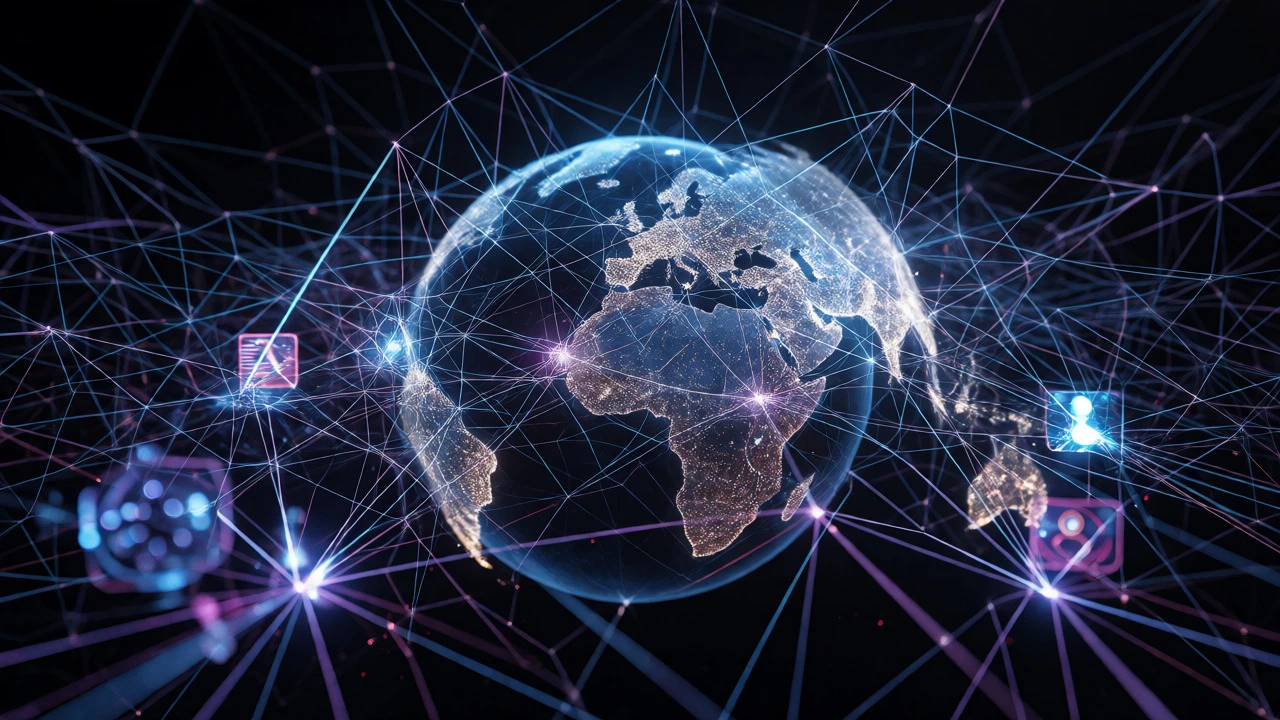
Before we label Netflix, we need to define our terms. In tech circles, a digital platform is an infrastructure that allows users to create, share, or exchange information, goods, and services. It’s not just a destination; it’s a marketplace or a network.
Compare this to a traditional website. A corporate brochure site tells you who they are. A blog gives you articles. But a platform? A platform connects people. Facebook connects friends. Uber connects drivers with riders. Amazon connects sellers with buyers. Netflix fits into this category because it connects content creators with viewers, using algorithms to match supply with demand in real-time.
Key characteristics include:
- Network Effects: The service becomes more valuable as more people use it. More viewers mean better data, which means better recommendations, which attracts more viewers.
- Data-Driven Interactions: Every click, pause, and rewind feeds back into the system.
- Two-Sided Market: It serves both the people making content and the people watching it.
If you strip away the movies, Netflix is essentially a giant recommendation engine wrapped in a user interface. That’s the core definition of a modern digital platform.
The Technical Backbone: How Netflix Works Under the Hood
To understand why Netflix qualifies as a sophisticated digital platform, you have to look at its architecture. It’s not running on a single server in a basement. It relies heavily on Amazon Web Services (AWS), the cloud computing arm of Amazon. This move was controversial in 2008, but it allowed Netflix to scale globally without building its own data centers.
Here’s the flow of data when you hit play:
- Ingestion: Content arrives in various formats. Netflix converts these into multiple bitrates and resolutions.
- Processing: The system analyzes the content metadata-actors, genres, pacing, color palettes.
- Delivery: This is where the Open Connect appliance comes in. Netflix places these servers inside Internet Service Providers (ISPs) like Comcast or Verizon. Why? To reduce latency. By keeping the video file physically close to your house, buffering disappears.
- Recommendation Engine: Simultaneously, the algorithm looks at your history and similar users’ behavior to suggest what’s next.
This infrastructure turns passive viewing into an interactive experience. The platform adapts to your internet speed, adjusting quality instantly. If your connection drops, it doesn’t stop; it shifts to a lower resolution. That adaptability is a hallmark of robust digital platforms.
Netflix vs. Traditional Media: The Platform Shift
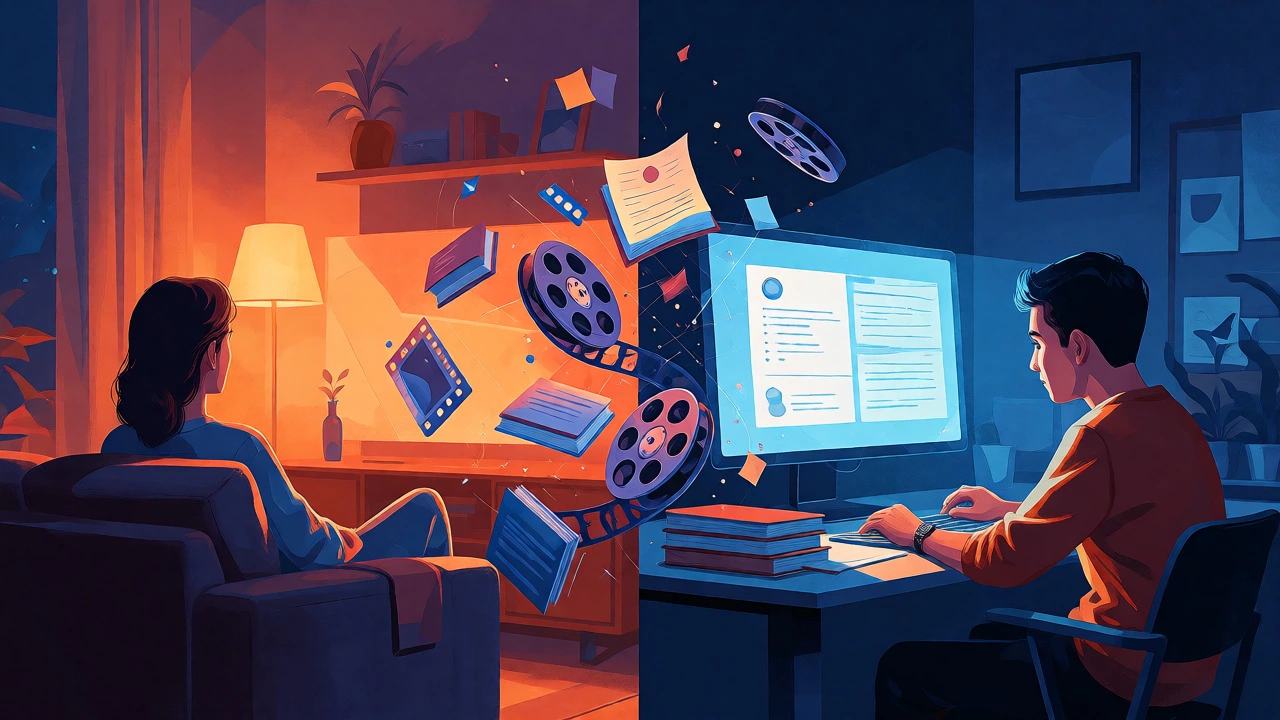
Traditional TV networks like CBS or NBC operate on a broadcast model. They push content out, hoping someone watches. There’s little feedback loop. If a show fails, they know after weeks of ratings reports. On a digital platform like Netflix, feedback is instant. If everyone skips the intro, the platform knows within seconds. If a genre spikes in popularity in Brazil but not in Germany, the algorithm adjusts regional queues immediately.
This shift changes power dynamics. In the old model, gatekeepers decided what got made. On a platform, data decides. Netflix greenlights shows based on predictive analytics. They know there’s a cluster of users who like "sci-fi comedies with female leads." They commission content specifically for that niche. This reduces risk and increases engagement.
Consider the difference in user agency. With cable, you wait for the schedule. With Netflix, you control the pace. You can watch three episodes in an hour or spread one over a week. The platform accommodates your lifestyle, not the other way around. This flexibility is a key selling point for any digital service, whether it’s entertainment or education.
Why E-Learning Platforms Are Becoming Like Netflix
You might wonder why we’re talking about Netflix in a context related to e-learning platforms. The reason is simple: the mechanics are identical. Modern learning management systems (LMS) and educational apps are adopting the same strategies Netflix perfected.
Take Coursera or Udemy. They aren’t just hosting PDFs anymore. They use recommendation engines to suggest courses based on your career goals and past enrollments. They break lessons into bite-sized chunks, similar to episodic TV, to maintain engagement. They track progress and adjust difficulty levels dynamically.
| Feature | Netflix (Entertainment) | E-Learning Platforms (Education) |
|---|---|---|
| Core Function | Content Discovery & Delivery | Skill Acquisition & Assessment |
| User Engagement | Binge-watching, autoplay | Micro-learning, gamification |
| Personalization | Algorithmic recommendations | Adaptive learning paths |
| Data Usage | Predicting viewer retention | Predicting course completion |
| Business Model | Subscription (SVOD) | Subscription or Pay-per-course |
The goal for educators is the same as for Hollywood: keep the user engaged long enough to finish the "season" (course). If students drop out after lesson two, the platform flags it and suggests alternative resources. It’s all about reducing friction and increasing relevance.
Challenges Facing Digital Platforms Today
Being a digital platform isn’t all smooth sailing. Netflix faces significant hurdles that many ed-tech companies also struggle with.
First, there’s content saturation. When everyone has access to everything, choice paralysis sets in. Users spend more time browsing than watching. Netflix tries to solve this with better UI design and curated lists, but it’s an ongoing battle. For learning platforms, the problem is similar. Too many courses lead to decision fatigue. Students don’t know which certification actually helps their career.
Second, costs are skyrocketing. Producing original content is expensive. Licensing fees rise every year. Netflix had to raise prices multiple times recently to cover these costs. Similarly, e-learning platforms must invest in high-quality production values to compete with free YouTube tutorials. If the video quality is poor or the audio is bad, users leave.
Third, competition is fierce. Disney+, HBO Max, and Apple TV+ entered the market, splitting the audience. In education, LinkedIn Learning competes with Skillshare and MasterClass. Platforms must constantly innovate to retain subscribers. Churn rate-the percentage of users who cancel-is the metric that keeps executives awake at night.
The Future: Where Do We Go From Here?
Digital platforms are evolving beyond simple streaming. We’re seeing the rise of interactive content. Netflix experimented with "Bandersnatch," a choose-your-own-adventure movie. Imagine applying that to education. Instead of watching a lecture, you make decisions that change the outcome of a case study. That’s active learning, powered by platform technology.
Artificial Intelligence will play a bigger role. Generative AI could create personalized summaries or quizzes based on your specific questions during a video. The platform won’t just recommend what to watch next; it might generate new content tailored to your gaps in knowledge.
For users, this means less effort and more value. You won’t need to search endlessly. The platform will anticipate your needs. Whether you’re looking for the next thriller series or a Python coding tutorial, the logic remains the same: connect the right person with the right resource at the right time.
Is Netflix considered a SaaS company?
Yes, Netflix operates on a Software-as-a-Service (SaaS) model. Users pay a recurring subscription fee to access the software and content hosted on the cloud. Unlike traditional media companies that sell individual products (like DVDs), Netflix provides continuous access to a service, which is the defining characteristic of SaaS businesses.
How does Netflix differ from YouTube?
While both are digital video platforms, their models differ significantly. YouTube is primarily ad-supported and relies on user-generated content. Netflix is subscription-based (SVOD) and focuses on professionally produced, licensed, and original content. YouTube offers free access with ads, whereas Netflix requires payment for an ad-free, curated experience.
Can e-learning platforms use Netflix-style recommendations?
Absolutely. Many leading e-learning platforms already use collaborative filtering algorithms similar to Netflix's. These systems analyze user behavior, such as course completion rates and quiz scores, to recommend relevant courses. This personalization helps learners discover skills they didn't know they needed, improving overall engagement and retention.
What is Open Connect in Netflix?
Open Connect is Netflix's proprietary Content Delivery Network (CDN). It consists of specialized appliances placed within Internet Service Providers' networks worldwide. By caching popular video content close to end-users, Open Connect reduces bandwidth usage and improves streaming speed, ensuring minimal buffering even during peak hours.
Why is data important for digital platforms like Netflix?
Data drives every decision on a digital platform. For Netflix, it informs content acquisition, original programming choices, and marketing strategies. By analyzing viewing habits, the platform predicts trends, optimizes thumbnails, and tailors the user interface. Without data, Netflix would be just another video library; with it, it becomes a personalized entertainment guide.