Online Learning: What Works, What Doesn’t, and How to Start Today
When you hear online learning, a way to gain skills and knowledge through digital platforms without needing to attend a physical classroom. Also known as digital education, it lets you learn coding, English, business, or even how to pass competitive exams—all from your phone or laptop. It’s not magic. It’s not a shortcut. But when done right, it changes lives.
People think online learning means watching videos and calling it a day. That’s not learning—that’s background noise. Real online learning requires structure, action, and consistency. It’s not about how many courses you sign up for. It’s about what you actually build. One person taught themselves Python at 52 and landed a job by building three small tools for their local shop. Another learned English speaking for free using YouTube and AI tools, and now runs a small tutoring group in their village. These aren’t outliers. They’re proof that free online courses, accessible educational content available without payment, often through platforms like YouTube, Khan Academy, or government portals can work if you treat them like a project, not a hobby.
What makes online learning stick? It’s not the platform. It’s the habit. You need a clear goal—like learning enough coding to automate your school’s attendance sheet, or mastering biology to crack NEET. Then you find one resource, stick with it for 30 days, and do something with what you learn every week. That’s how people succeed. Not by collecting certificates. By building things. The self-taught learner, someone who acquires skills independently without formal instruction, using online tools and real-world practice doesn’t wait for permission. They start with what they have: a phone, an internet connection, and the will to try.
Some of the best online learners in India aren’t from big cities. They’re from villages with spotty internet, using free resources to prepare for JEE without coaching. They watch videos on low bandwidth, take notes on paper, and test themselves with old question papers. They don’t have tutors. They have persistence. And that’s the real advantage of remote learning, education delivered outside a traditional classroom, allowing learners to study from any location with digital access. It doesn’t care where you are. It only cares if you show up.
There’s no single best way to learn online. But there are bad ways. Don’t jump from course to course. Don’t buy every "ultimate bundle." Don’t wait for the perfect time. Start with one thing you actually need. Want to get a job? Learn Python or JavaScript. Preparing for exams? Use free NCERT videos and practice tests. Need to speak English? Talk to AI, mimic podcasts, and record yourself. The tools are all free. The only thing missing is the first step.
Below, you’ll find real stories from people who used online learning to change their lives—whether they were 18 or 55, in a city or a village, with no money or no time. These aren’t success myths. These are step-by-step paths taken by ordinary people who just kept going. No fluff. No hype. Just what worked.

What is an eLearning Platform? Complete Guide for 2026
Discover what an eLearning platform is, how it works, and how to choose the right one. Learn about LMS, SCORM, and key features for effective online learning in 2026.
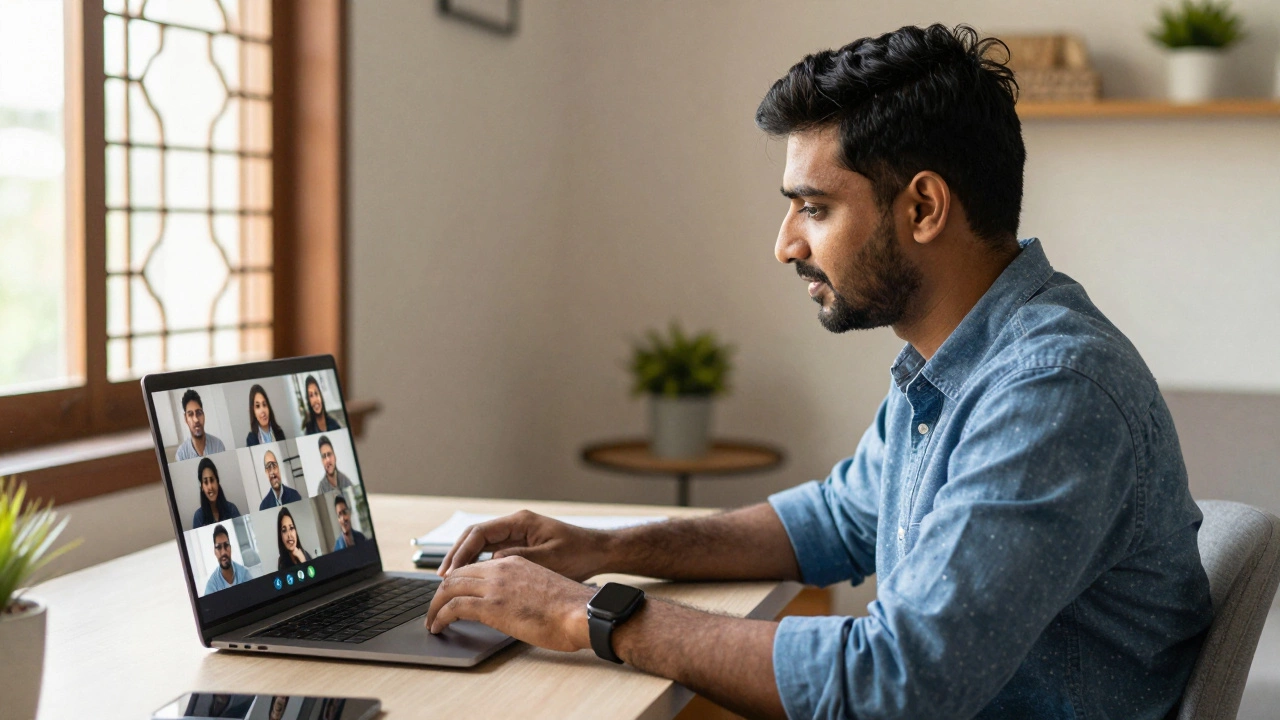
Online Learning vs. E-Learning: What's the Real Difference?
Explore the key differences between online learning and e-learning. Understand how connectivity vs. content structure impacts your education choices in 2026.
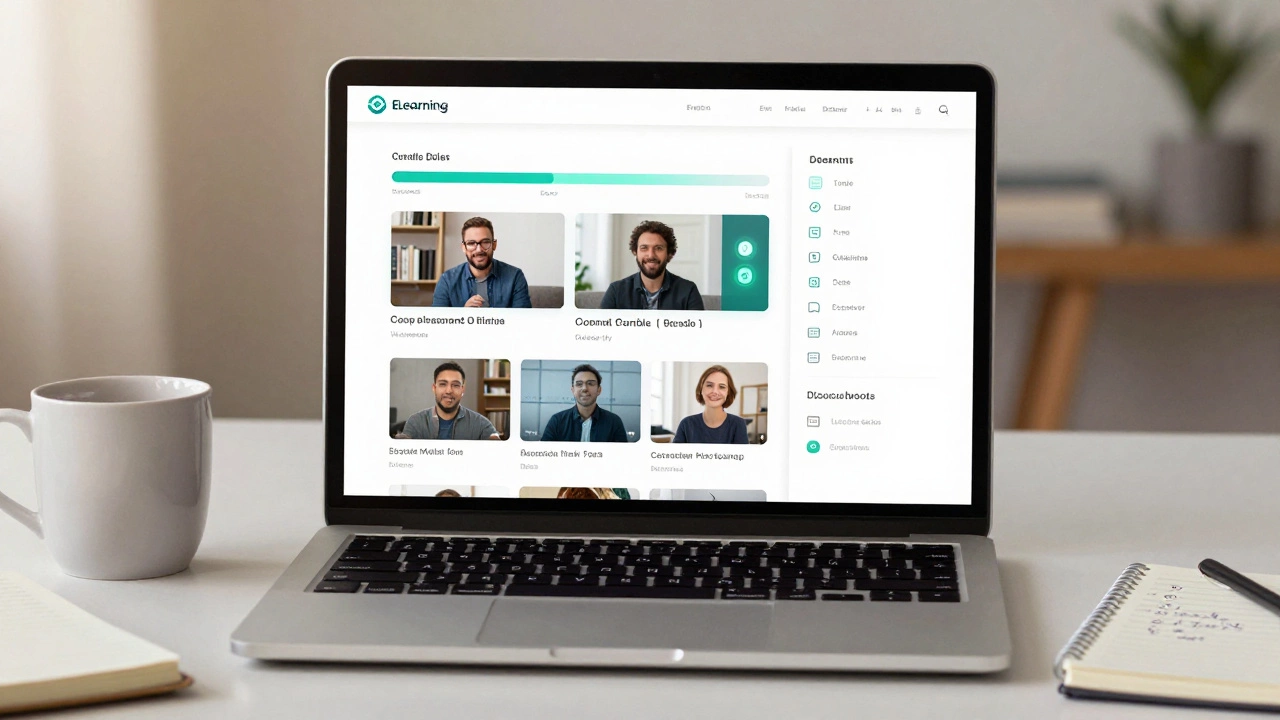
How does eLearning work? A simple breakdown for beginners
eLearning works by breaking learning into small, manageable lessons with quizzes, feedback, and real-world projects. It’s flexible, affordable, and designed for people who want to learn on their own schedule.
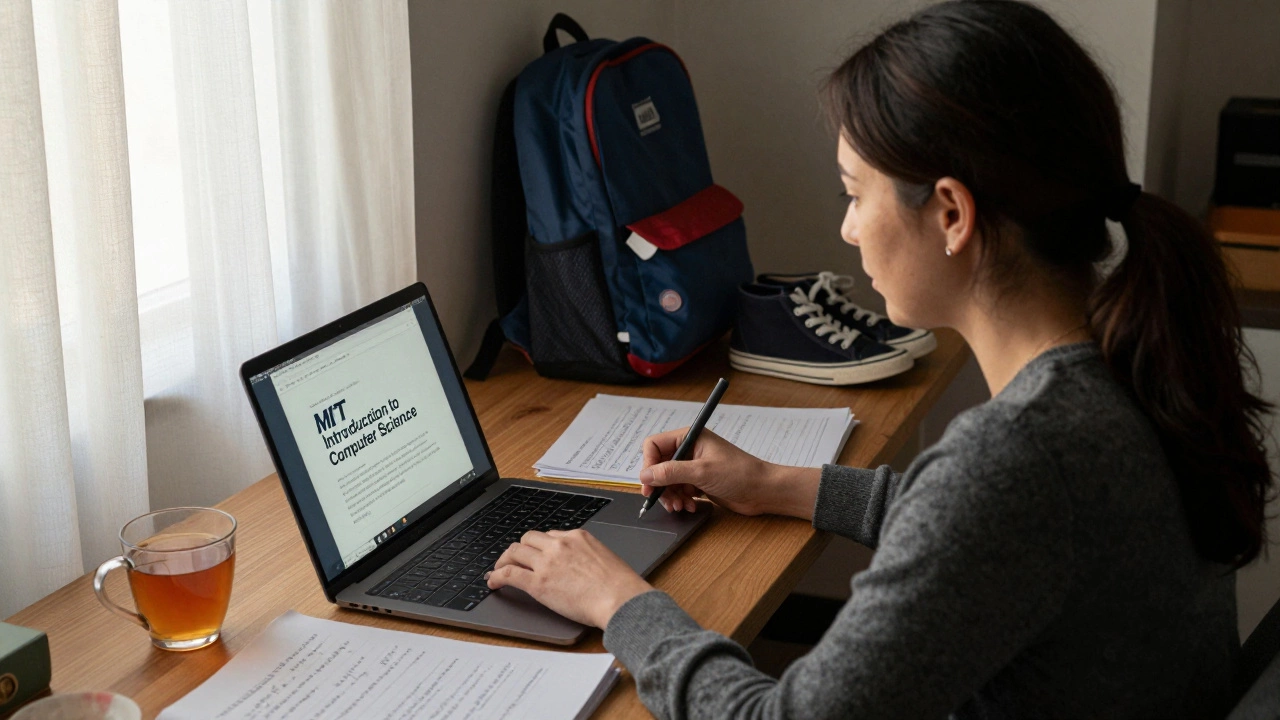
Are free college courses worth it? Here’s what actually works in 2026
Free college courses aren't magic, but they're powerful if you use them right. In 2026, people are landing jobs, switching careers, and building skills - all without paying a cent. Here's how to make them work for you.
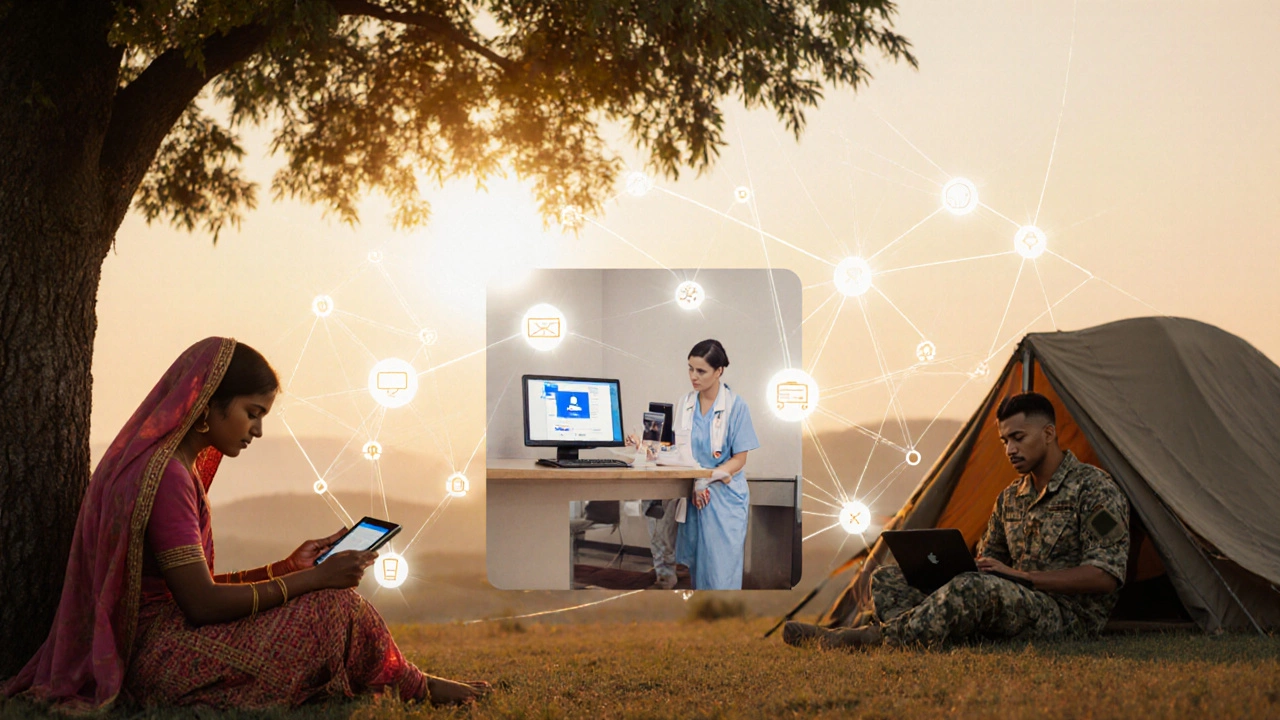
What Is Distance Education? Definition, History, and How It Works Today
Distance education is a structured learning system where students and teachers are separated by distance, using technology, mail, or media. It’s not just online classes-it’s a proven method used by millions worldwide to earn degrees, certifications, and skills on their own terms.
SCORM Explained: What It Means and Why It Matters for e‑Learning
Learn what SCORM means, how it works, why it's still vital for e‑learning, and how to create a SCORM package step‑by‑step.

Understanding Distance Education Today
Distance education has transformed from correspondence courses to advanced online platforms, reshaping how we access knowledge. With digital tools at our fingertips, students from anywhere can learn just about anything. The flexibility and accessibility of distance education can benefit students juggling work, family commitments, or living in remote areas. However, it also presents unique challenges, like self-discipline and finding ways to stay engaged, which both learners and educators need to address.

Do Google Certificates Boost Your Hiring Potential?
In today’s competitive job market, people look for every edge they can get to stand out to potential employers. With the rise of digital learning, Google Certificates have emerged as a highly regarded option. This article explores whether achieving these certificates can truly impact your chances of getting hired. By diving into real-world statistics and experiences, we discover how Google’s educational programs fit into the broader landscape of career advancement.