Coding for Beginners: Start Without Fear, Learn Without Classes
When you hear coding for beginners, the process of learning how to write instructions computers understand, often starting with simple languages like Python or JavaScript. Also known as programming for newcomers, it’s not about being a genius—it’s about showing up, making mistakes, and fixing them. Most people think you need a computer science degree or to spend thousands on bootcamps. That’s not true. The people who actually get good at coding? They started with a free website, a broken project, and the stubbornness to keep going.
Self-taught coder, someone who learns programming without formal classes, using online resources, practice, and real projects isn’t a rare breed—it’s the norm. Over 70% of developers today learned on their own, according to Stack Overflow’s 2023 survey. You don’t need to know what a loop is on day one. You just need to build something small—a calculator, a to-do list, a page that changes color when you click it. That’s how real learning starts. Programming for beginners, the entry point into writing code, focused on simplicity, immediate feedback, and low frustration means choosing the right first language. Python is the most popular for a reason: it reads like English. JavaScript lets you see results right in your browser. Neither requires a license, a textbook, or a professor.
What holds most beginners back isn’t difficulty—it’s confusion. They jump between tutorials, get lost in jargon, and quit because they think they’re falling behind. But coding isn’t a race. It’s a habit. You don’t need to master everything at once. You just need to write one line today, then another tomorrow. The tools are free: VS Code, freeCodeCamp, YouTube channels like Web Dev Simplified, and practice sites like Codecademy’s free tier. You can learn on a 5-year-old laptop. You can learn during your lunch break. You can learn while watching TV.
And here’s the truth no one tells you: companies don’t care if you went to college. They care if you can solve problems. If you built a website that works, if you automated a boring task, if you fixed a bug on your own—that’s proof. That’s what gets you hired. The code on your own, the practice of learning programming independently, without structured courses or mentors path isn’t easier—it’s just more honest. It forces you to think, to search, to figure things out. That’s the skill employers actually want.
Below, you’ll find real stories from people who started with zero experience—some in their 50s, some in villages with slow internet, some with no tech background at all. They didn’t wait for permission. They didn’t wait for the perfect time. They just started. And so can you.
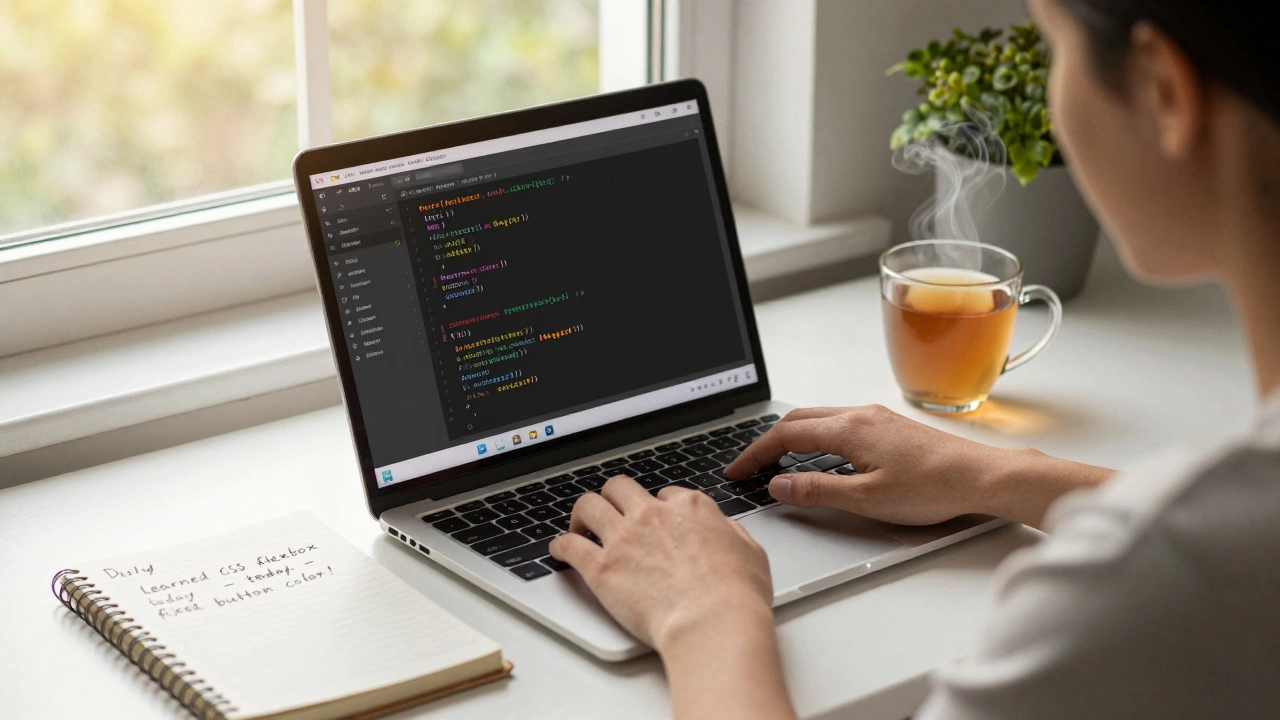
Is 1 Hour a Day Enough to Learn Coding?
One hour a day is enough to learn coding if you're consistent. Real people have built websites, automated tasks, and landed jobs using just 60 minutes daily. Focus on practice, not hours.
Can I Teach Myself to Code? Here’s How Real People Do It
Yes, you can teach yourself to code - no degree needed. Learn how real people start from zero, use free resources, build real projects, and land their first tech job without formal training.
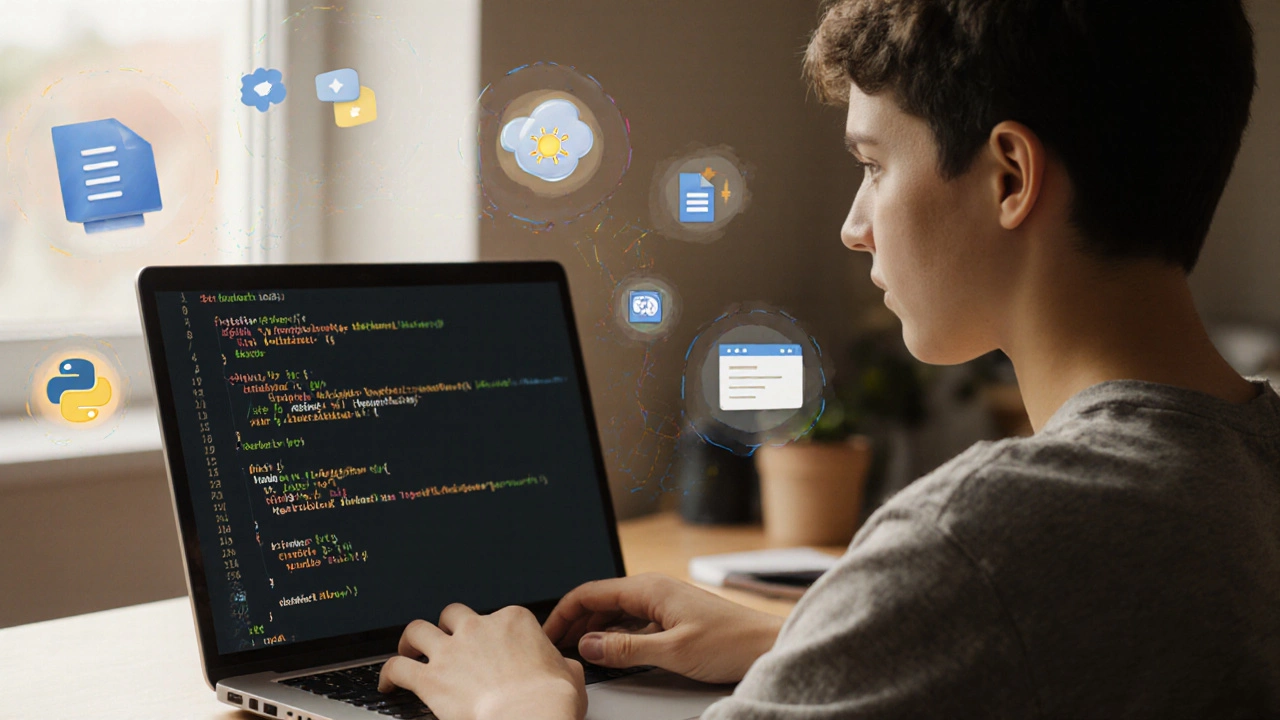
What code should I learn first? Best starting languages for beginners in 2025
Learn which programming language to start with in 2025. Python and JavaScript are the best choices for beginners who want quick results and real projects. No degree needed.
Is Coding Difficult for Beginners? Answers and Practical Tips
Explore why coding feels tough for beginners, uncover common hurdles, and get practical tips to make learning programming smoother.

How to Start Coding for Beginners: A Straightforward Guide
Starting to code can feel overwhelming, but with the right steps, anyone can learn easily. From choosing the right programming language to finding the best resources, this guide will help beginners take their first coding steps. Discover practical tips, explore tools, and avoid common pitfalls to make the learning process smooth and enjoyable. Whether you want to build apps or understand tech better, this article is your go-to starting point.