E-Learning: What It Is, How It Works, and Where to Start
When you hear e-learning, education delivered through digital tools like computers, tablets, or phones, often without needing to be in a physical classroom. Also known as online learning, it’s not just watching videos—it’s structured, trackable, and designed to help people learn at their own pace, whether they’re in a village in Uttar Pradesh or a city in Maharashtra. This isn’t a trend. It’s a shift. Millions of students and teachers across India are using e-learning to get certifications, learn new skills, and even earn degrees without stepping into a school building.
Behind every e-learning experience is something you might not think about: a Learning Management System, a platform that hosts courses, tracks progress, and lets teachers assign work and give feedback. Also called an LMS, it’s the engine that runs most online courses—from small teacher-led groups to giant platforms like Coursera or Udemy. Then there’s the MOOC, a massive open online course, usually free, that lets thousands of people learn the same material at once, often from top universities or companies. Also known as massive open online course, it’s how someone in a rural school can take a class from Stanford or learn Google’s digital skills for free. And don’t forget the virtual classroom, a live, interactive space where teachers and students meet online in real time, with video, chat, and whiteboards. It’s the closest thing to being in a real classroom, just online. These aren’t just buzzwords—they’re tools that make learning possible when schools are far away, teachers are scarce, or budgets are tight.
Some people think e-learning is just about watching videos or clicking through slides. But the real power comes from how it connects people. A teacher in Bihar can use an LMS to send lessons to 50 students in different villages. A student in Rajasthan can earn a Google certificate and use it to apply for a job in Hyderabad. A parent in Odisha can help their child follow along with a MOOC on basic math—all without leaving home. The digital divide is still real, but e-learning is giving people tools to cross it.
What you’ll find below isn’t a list of tech specs. It’s a collection of real, practical guides written for people who use or care about education in India’s villages. You’ll learn how to pick the right platform, what Google certificates actually get you, why some courses are free and others aren’t, and how to avoid the traps that make online learning feel pointless. Whether you’re a teacher trying to reach more students, a student looking for affordable options, or just someone curious about how learning works now, this is the place to start.
Why You Feel Stuck in Google Classroom: The Real Barriers Explained
Explore why teachers and students struggle to leave Google Classroom due to administrative locks, data gravity, and ecosystem dependencies.
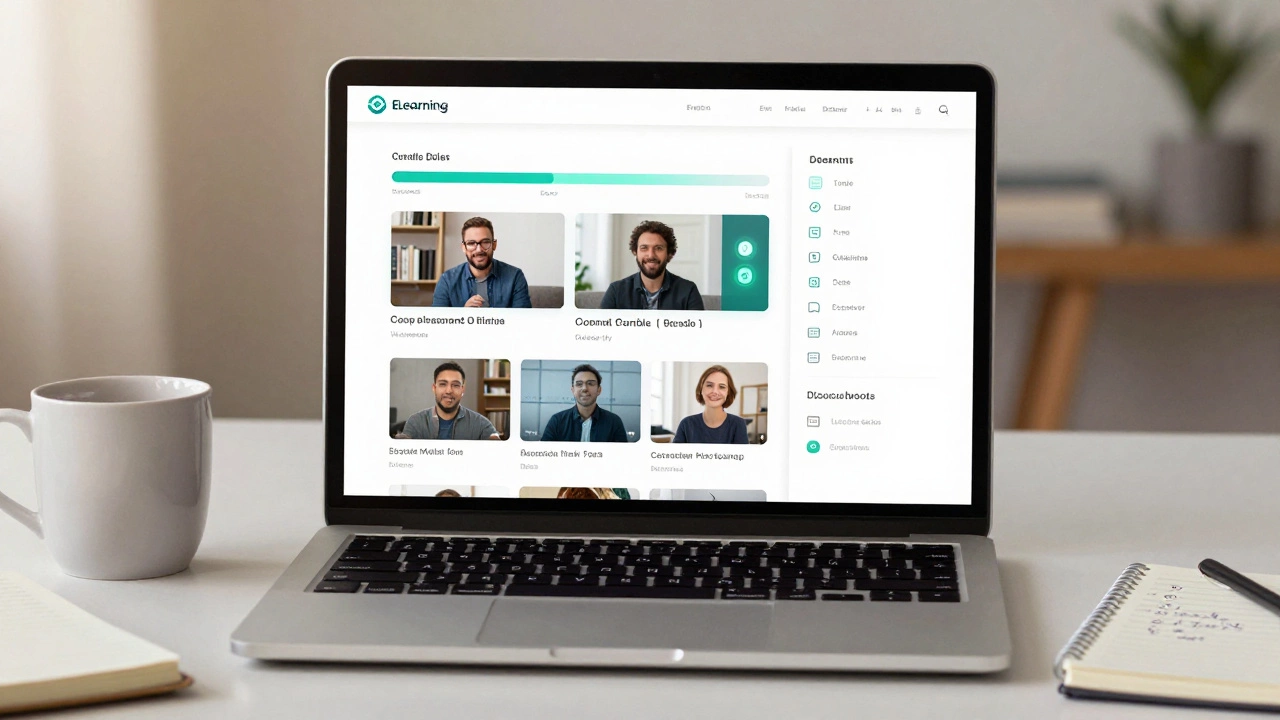
How does eLearning work? A simple breakdown for beginners
eLearning works by breaking learning into small, manageable lessons with quizzes, feedback, and real-world projects. It’s flexible, affordable, and designed for people who want to learn on their own schedule.
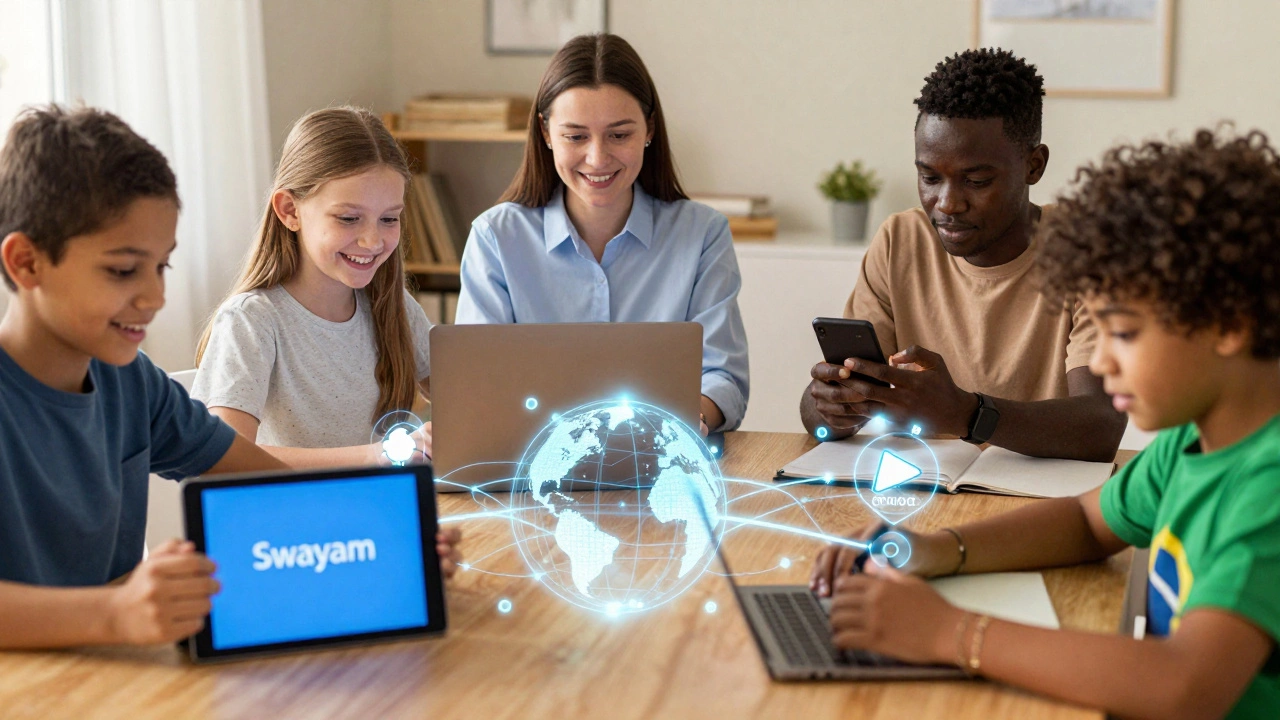
How Many Digital Platforms Are There for E-Learning?
There are over 100 active e-learning platforms worldwide, from global giants like Coursera and Udemy to regional tools like Swayam and ALX. The key isn't counting them - it's finding the one that matches your learning goals.
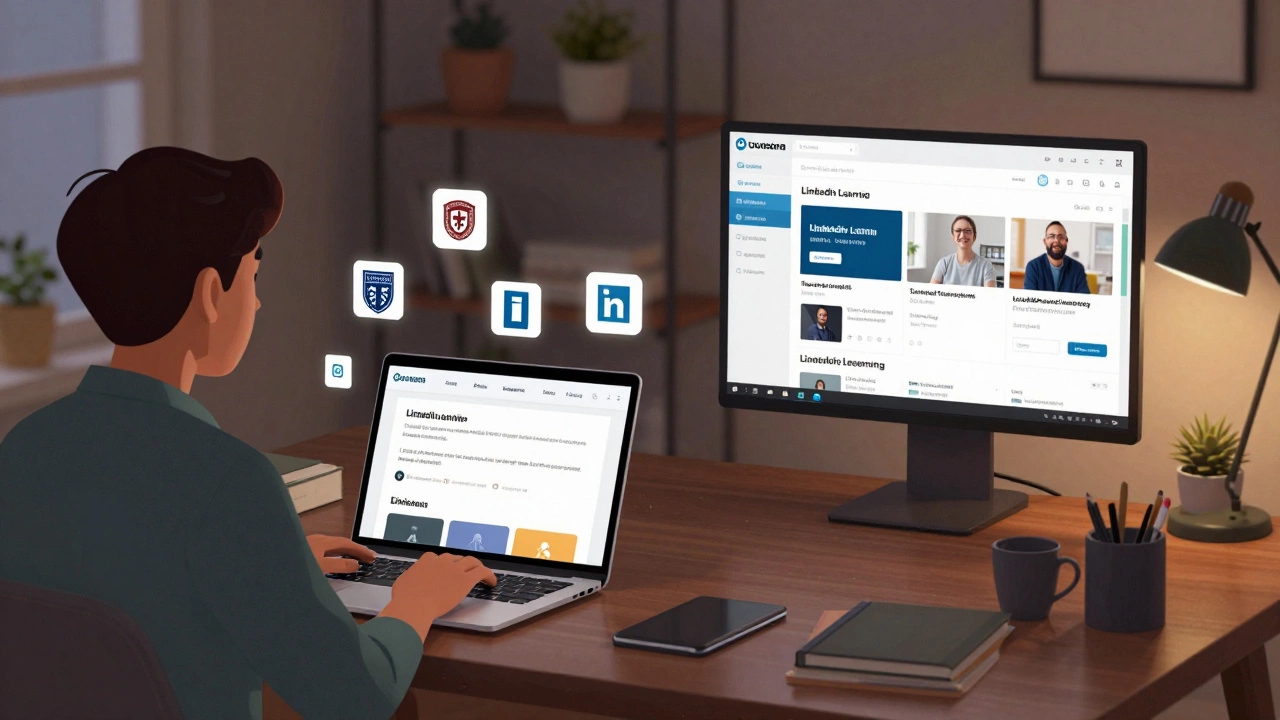
What are examples of eLearning platforms?
Explore top eLearning platforms like Coursera, Udemy, Khan Academy, and LinkedIn Learning. Learn how each helps students, professionals, and career-changers build skills with real credentials and practical training.
What is the best learning platform for online courses in 2026?
Discover which online learning platform is best for your goals in 2026-whether you're aiming for a career change, skill upgrade, or personal growth. Compare Coursera, Udemy, edX, LinkedIn Learning, and Pluralsight.
What Is the Easiest Certificate to Get Online in 2026?
Discover the easiest online certificates you can earn in 2026 with no experience, no cost, and under 10 hours of work. Learn which ones employers actually recognize and how to start today.
What Is Distance Education? Definition, History, and How It Works Today
Distance education is a structured learning system where students and teachers are separated by distance, using technology, mail, or media. It’s not just online classes-it’s a proven method used by millions worldwide to earn degrees, certifications, and skills on their own terms.
The 3 Main Types of E‑Learning Platforms Explained
Explore the three main types of e‑learning platforms-LMS, MOOC, and virtual classroom-learn their key features, pricing, and how to choose the right fit for your needs.
SCORM Explained: What It Means and Why It Matters for e‑Learning
Learn what SCORM means, how it works, why it's still vital for e‑learning, and how to create a SCORM package step‑by‑step.
LMS Meaning: What Does LMS Stand For & Why It Matters
Learn what LMS stands for, how learning management systems work, key features, top platforms and tips to choose the right one.

Highest Paying Online Teaching Jobs: Where to Earn the Most in 2025
Find out which online teaching jobs pay the most in 2025, along with realistic earnings, required skills, and tips to boost your salary in remote education.

How to Make Money with eLearning: Online Course Profits Explained
Explore practical strategies to earn real money through elearning: course creation, teaching online, and turning skills into digital income. Tips for 2025.